ASUS is making a simple but important bet: in a laptop market increasingly defined by expensive hardware and longer replacement cycles, after-sales service and on-device AI are becoming just as valuable as raw specifications.
ASUS expands warranty and local AI laptop features
That message was the centerpiece of the company’s Media Gathering 2026 in Bandung, where the Taiwan-based maker said it is extending warranty coverage on several premium models to as long as three years while expanding support for laptops that can run AI features locally, without a constant internet connection. For buyers, that means lower ownership risk. For ASUS, it is a clear attempt to deepen loyalty in a market where trust and service can matter more than one extra benchmark point.
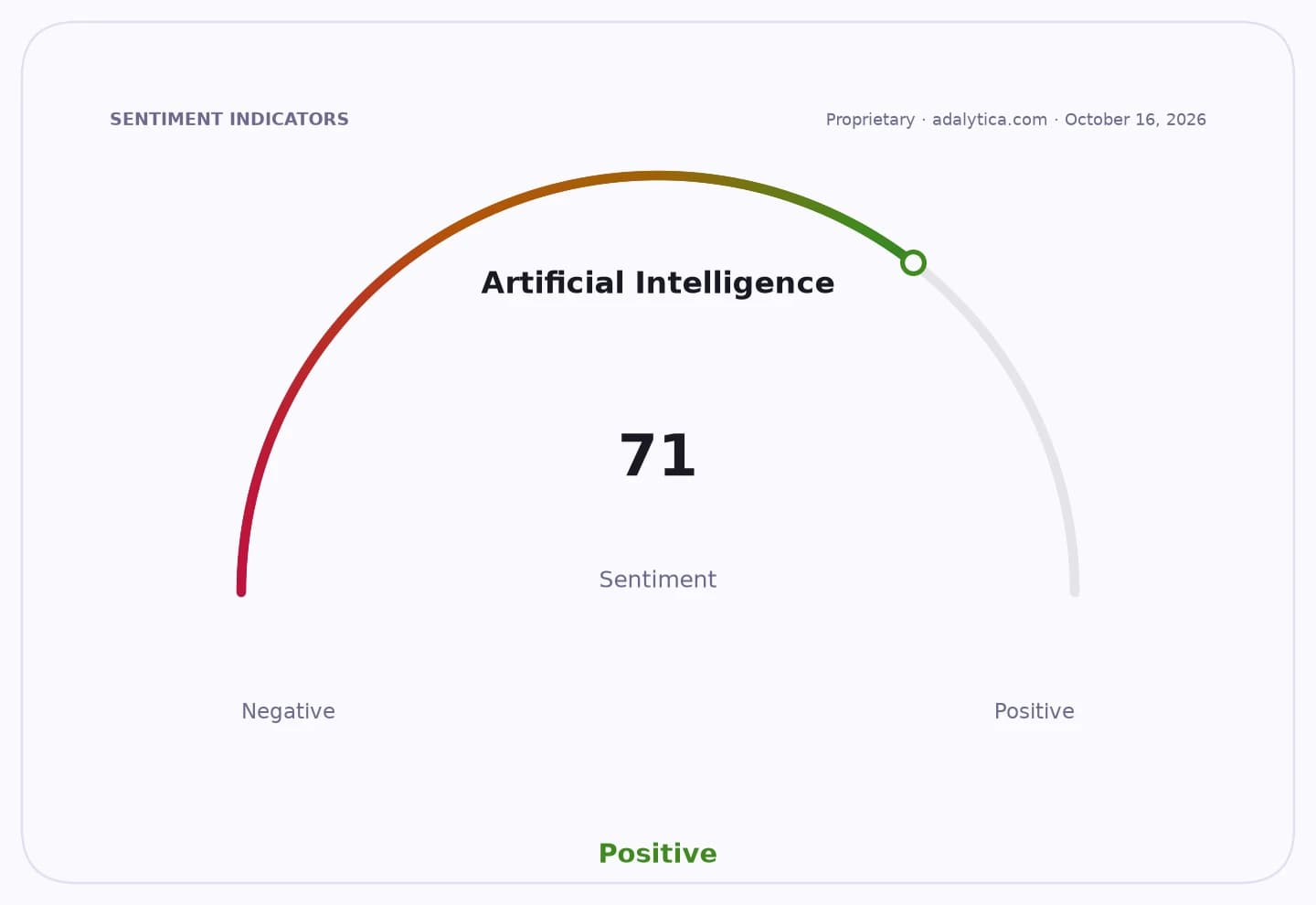
Sentiment Indicators
The upgrade is broad enough to matter. ASUS said ProArt, Zenbook, Vivobook S series and Vivobook Flip models now come with up to three years of international warranty and three years of ASUS VIP Perfect Warranty coverage, up from one year of accidental-damage protection previously. Classic Vivobook models get up to two years of both international warranty and ADP coverage. The company also says it has 141 official service points in Indonesia and coverage in more than 90 countries.
That kind of support is not just a comfort feature. It reduces the expected cost of ownership for students, creators and professionals who depend on a laptop for years, not months. In a country like Indonesia, where service access can be a deciding factor, a stronger warranty can be a genuine competitive advantage. It also supports pricing power: buyers are often willing to pay more upfront for a machine they believe will hold up and be repairable.
ASUS paired that service push with a message about local AI. The company highlighted Zenbook and Vivobook S models equipped with Neural Processing Units capable of 50 TOPS or more, and up to 80 TOPS on top variants, above Microsoft’s Copilot+ PC baseline. More importantly, it showed off tools such as ASUS Virtual Assistant Omni, which can run fully offline, keeping data on the device, and an AI Agent platform that can work locally, in the cloud or in a hybrid mode.
That matters because the next phase of the PC upgrade cycle may be less about chasing the thinnest chassis and more about buying a machine that can handle real AI workloads without sacrificing battery life or privacy. On-device processing also helps insulate users from connectivity problems and can make AI features feel faster and more dependable. For ASUS, it strengthens the case for premium notebooks in a market where consumers increasingly expect laptops to do more than just browse and edit documents.
The company also used Bandung to showcase its durability pitch. It highlighted MIL-STD 810H testing, a standard military-style stress test that checks resistance to shock, humidity, temperature swings and low pressure. That does not make a laptop indestructible, but it supports the broader message that reliability is part of the product proposition, not an afterthought. For a consumer deciding between a cheaper device and a more expensive one with stronger service backing, that can be enough to tip the scales.
For investors, the story is bigger than one product launch. ASUS is reinforcing a model that can support longer-term brand strength: build hardware with premium features, back it with broad service coverage, and use local AI as the next reason to upgrade. If the company can keep converting trust into repeat purchases, it should help defend margins and sustain demand even as the global PC market remains competitive.
The risk, of course, is that warranty promises and AI demos do not always translate into stronger earnings if competition forces discounts or if consumers delay upgrades. But the direction is clear. The PC winners in the coming years are likely to be the companies that combine durability, service and meaningful AI features into one buying decision. ASUS is trying to do exactly that, and long-term investors should keep it on the watchlist.
| Entity | Gains | Losses |
|---|---|---|
| ASUS | ▲stronger brand loyalty | ▼rivals with weaker service |
| Buyers | ▲lower repair risk | ▼up-front bargain hunters |
| Premium notebook makers | ▲upgrade-driven demand | ▼low-end commoditizers |
| Service networks | ▲more traffic and relevance | ▼do-it-yourself repair shops |