Australian shares are set to start lower as rising oil prices and the prospect of more U.S. rate hikes tighten the screws on global risk assets, with investors bracing for another round of inflation pressure that could keep borrowing costs elevated for longer.
ASX set lower as oil rises and rate hike bets grow

That matters because the market is not just reacting to headlines — it is confronting a classic squeeze in which higher energy costs feed inflation just as central banks are trying to keep policy restrictive. For Australia, that combination is awkward: the ASX is heavily exposed to cyclical sectors, while the local economy remains sensitive to imported inflation, global growth, and swings in commodity-linked sentiment.
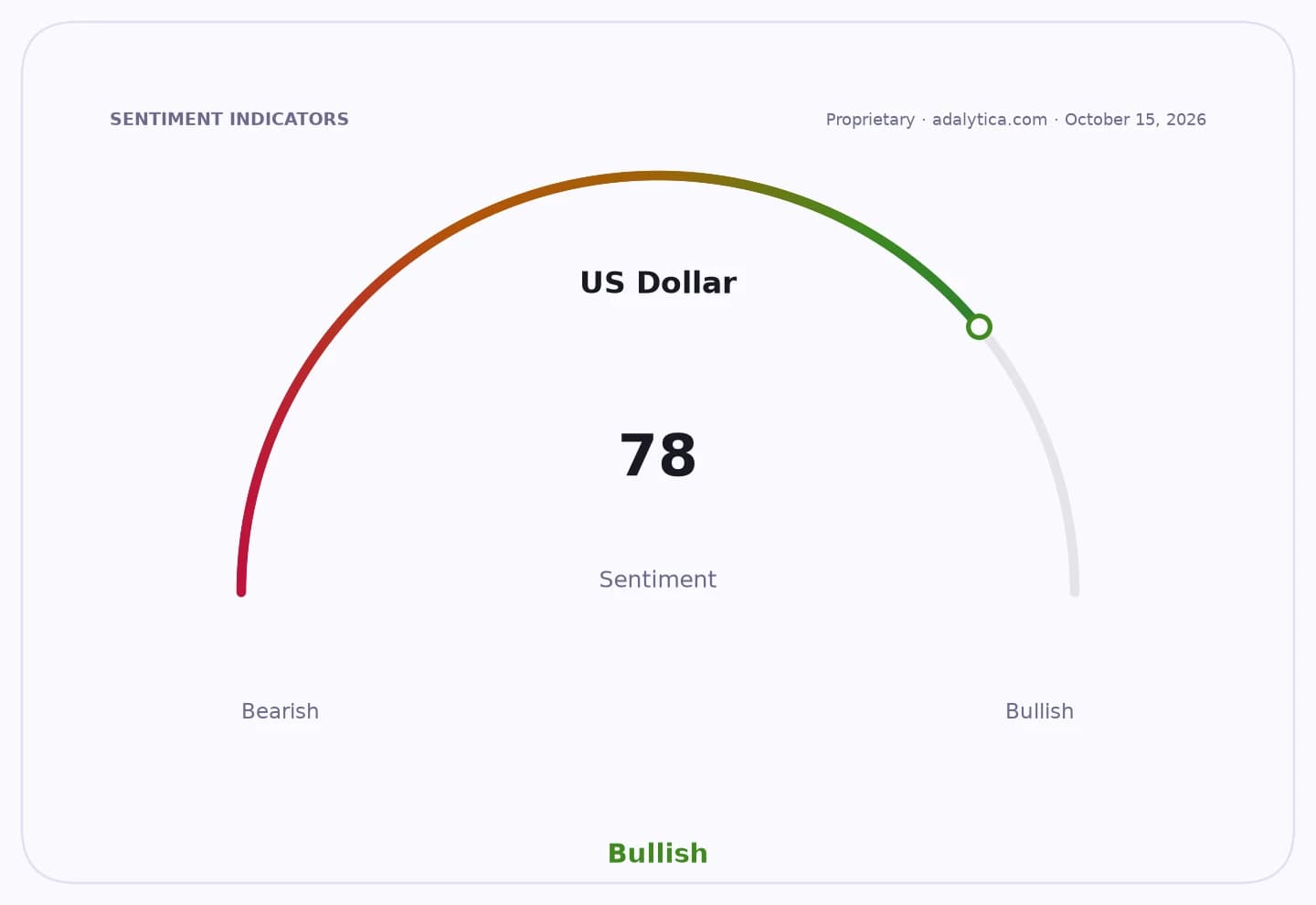
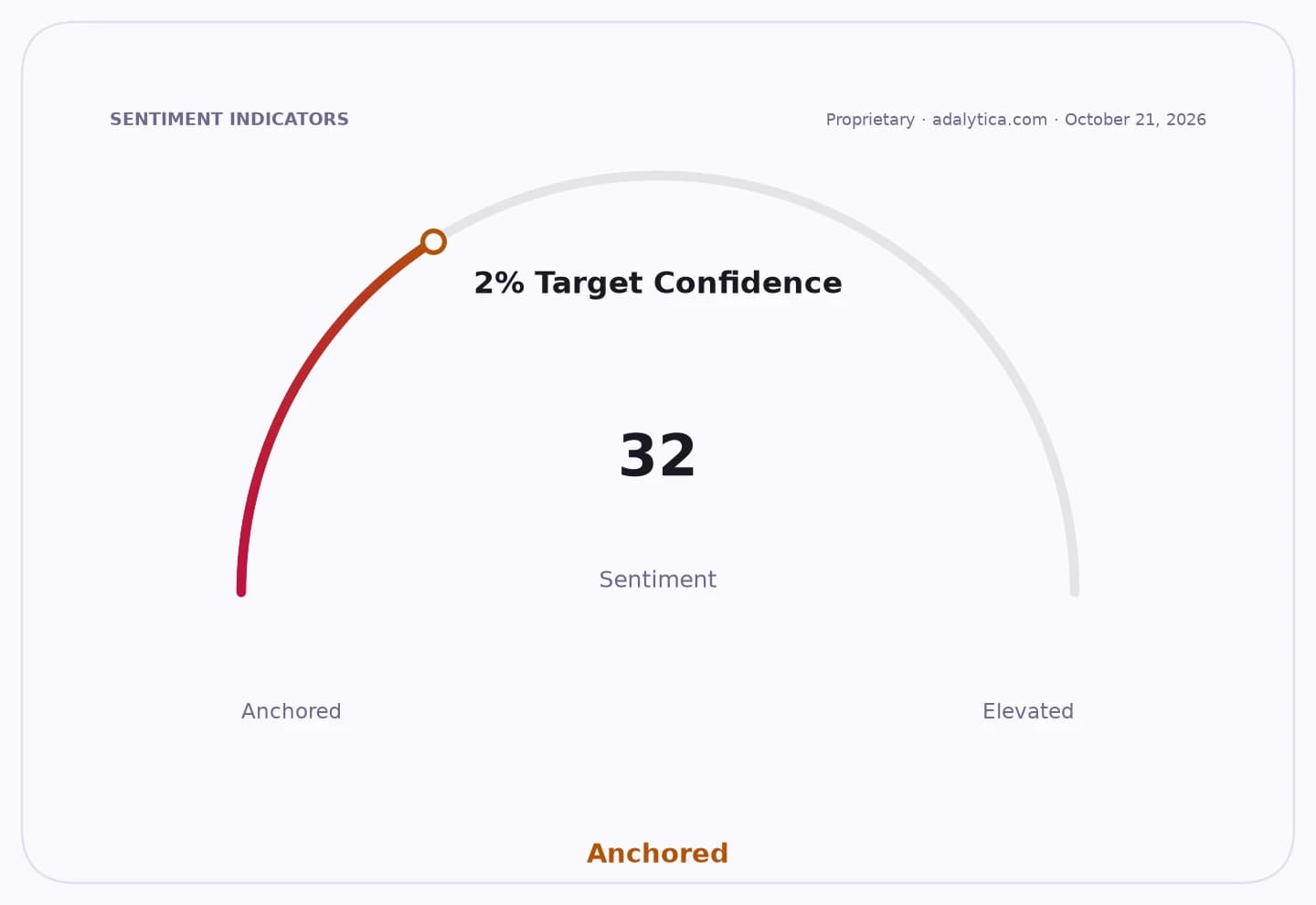
Sentiment IndicatorsⓘProprietary · adalytica.com · October 9, 2026
This is a snapshot — live sentiment, awareness and momentum for 130+ markets update continuously in the dashboard.Open AlphaPulse
U.S. markets already showed the strain. Wall Street slipped from record highs as traders locked in profits and pushed back on the idea that inflation is close to being defeated. The 10-year Treasury yield sat around 5.28%, while the Federal Reserve’s policy rate was expected to remain near 3.7%, underscoring the gap between market optimism and tighter-for-longer reality. A stronger dollar backdrop adds another headwind for risk assets and emerging-market-style trades, even if it supports U.S. assets relative to global peers.
Crucially, oil is doing more than moving energy stocks. Brent and West Texas Intermediate prices have climbed enough to revive fears that transport, industrial and consumer costs will stay sticky. That feeds directly into central bank thinking and complicates the case for cuts. The latest Fed minutes showed broad support for the September hike, reinforcing the message that policymakers remain alert to renewed inflation risks. In plain terms: if oil stays high, rate cuts get pushed out, and equity multiples get compressed.
DCOILWTICO vs FEDFUNDS — macro contextadalytica.com
Explore this data interactively — full history, time series and cross-market comparisons.Open AlphaPulse
For investors, the setup argues for rotation, not complacency. Banks, miners and other rate-sensitive or economically leveraged names can be vulnerable when yields rise and growth expectations wobble. Energy producers, by contrast, retain a near-term earnings tailwind, and the market is likely to keep rewarding balance-sheet strength, pricing power and hard-asset exposure over long-duration growth.
The real opportunity is in positioning before the market fully prices a longer period of expensive money. If oil and bond yields stay elevated, the next move is not just a weaker open in Sydney — it is a broader recalibration of valuation across Australian equities. Investors should lean into quality cash flows, hedge rate exposure, and keep dry powder for dislocations in the sectors most exposed to global liquidity.
| Entity | Gains | Losses |
|---|---|---|
| Energy producers | ▲Higher realized prices | ▼Inflation-sensitive consumers |
| Australian dollar bulls | ▲Commodity support | ▼Importers facing higher costs |
| U.S. dollar | ▲Rate-differential support | ▼Risk assets globally |
| ASX cyclical stocks | ▲— | ▼Multiple compression |