A 1922-era Atherton home fetching $21.2 million is more than a trophy sale — it is a reminder that the very top of the U.S. housing market can still command extraordinary prices even as broader real-estate activity stays subdued.
Atherton sale signals luxury housing resilience

That matters because luxury homes, especially in wealthy enclaves like Atherton, often tell a different story from the rest of the market. When buyers are writing nine-figure-caliber checks for land, privacy and location, it signals that wealth creation in technology, finance and private markets is still supporting demand for scarce, high-end property. For investors, that helps explain why premium residential real estate can remain resilient even when mortgage rates and affordability pressure the median buyer.
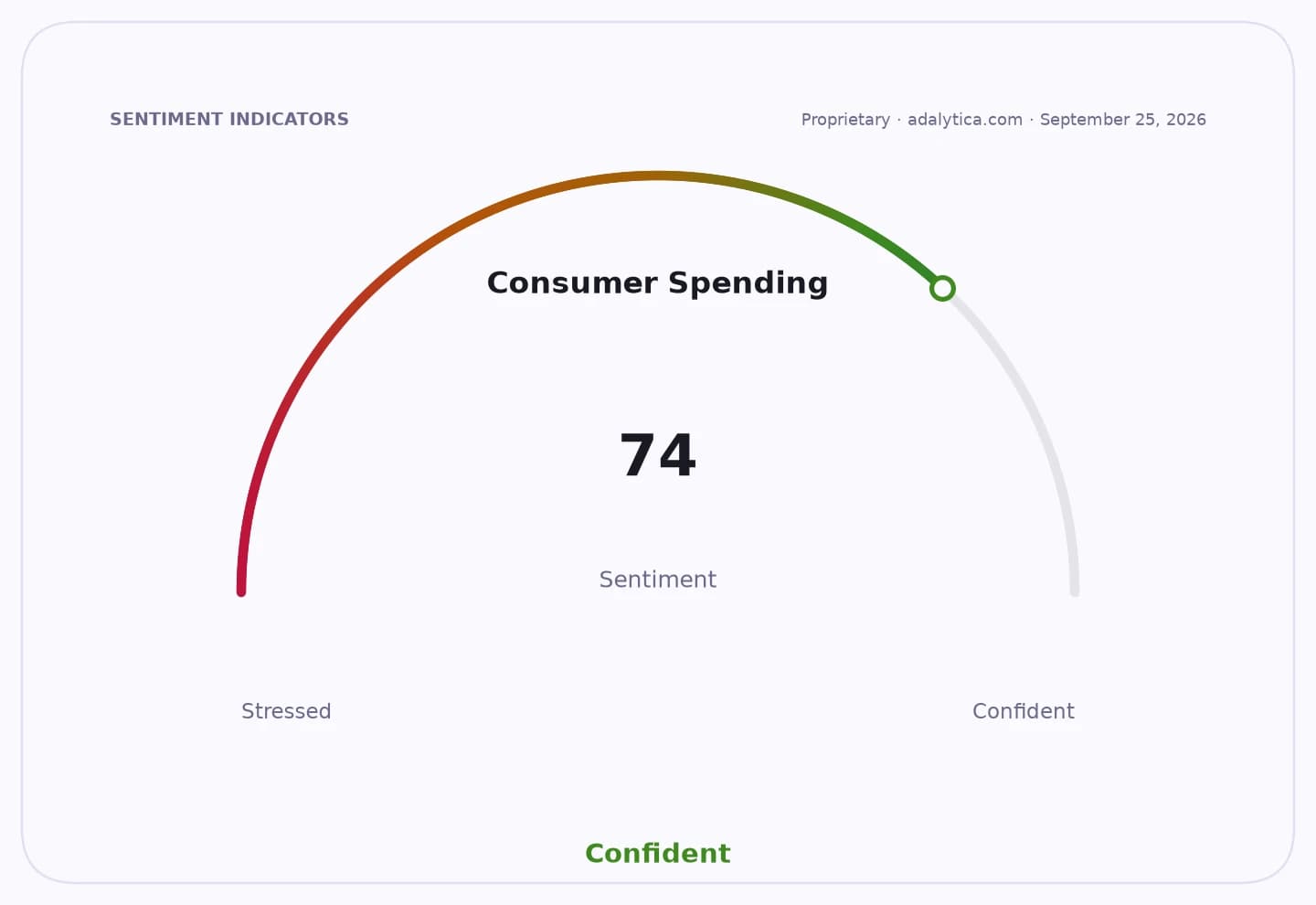
Sentiment IndicatorsⓘProprietary · adalytica.com · July 17, 2026
This is a snapshot — live sentiment, awareness and momentum for 130+ markets update continuously in the dashboard.Open AlphaPulse
The sale also sits against a backdrop of a housing market that is still digesting tighter money. U.S. existing-home prices remain near record levels, with the S&P CoreLogic Case-Shiller index climbing to 332.678 in April and forecast to edge up again in May. At the same time, single-family housing starts have been weak, underscoring a supply picture that remains too tight to meaningfully cool prices in desirable areas. In other words, scarce inventory is still doing a lot of the heavy lifting.
That scarcity is especially important in Atherton, where estate-style homes are limited and buyers are often competing for replacement value rather than square footage alone. Older homes with land can become increasingly valuable in markets where zoning is restrictive and teardowns are common. For long-term investors, that is the kind of structural advantage that can preserve wealth through cycles: limited supply, elite school districts, and a buyer base less exposed to borrowing costs.
It is also worth noting that the broader housing backdrop is not uniformly hot. Mortgage-sensitive activity remains uneven, and transaction volumes across much of the country are still constrained. Zillow has said persistently high mortgage rates have weighed on consumer activity, a reminder that the average homebuyer is operating under very different conditions than a cash-rich luxury purchaser. That split is exactly why headline-grabbing estate sales can coexist with a sluggish national market.
For equity investors, the lesson is less about chasing a single mansion sale and more about recognizing where durable demand lives. Homebuilders, real-estate platforms, and lenders all benefit differently depending on whether the market is driven by first-time buyers or affluent repeat buyers. In the Bay Area, the ultra-luxury tier appears to be holding up better than the rest, which is consistent with a market shaped by stock-option wealth, AI-era fortunes and limited trophy inventory.
Still, this is not a signal to ignore risk. If tech wealth cools, the upper-end market can soften quickly, and luxury homes are far less liquid than public stocks. But for patient investors, the bigger takeaway is that premier locations with permanent supply constraints tend to compound value over long periods. Atherton remains one of those places.
For now, the sale is worth watching as a sign that the wealthiest buyers are still willing to pay up for irreplaceable assets — and that, in housing as in investing, scarcity still commands a premium.
| Entity | Gains | Losses |
|---|---|---|
| Atherton sellers | ▲Record pricing power | ▼Limited inventory leverage |
| Luxury buyers | ▲Scarcity-backed asset ownership | ▼Big upfront capital |
| Bay Area homeowners | ▲Price support for prime homes | ▼Affordability pressure for others |
| Mortgage-sensitive buyers | ▲— | ▼Tight financing conditions |