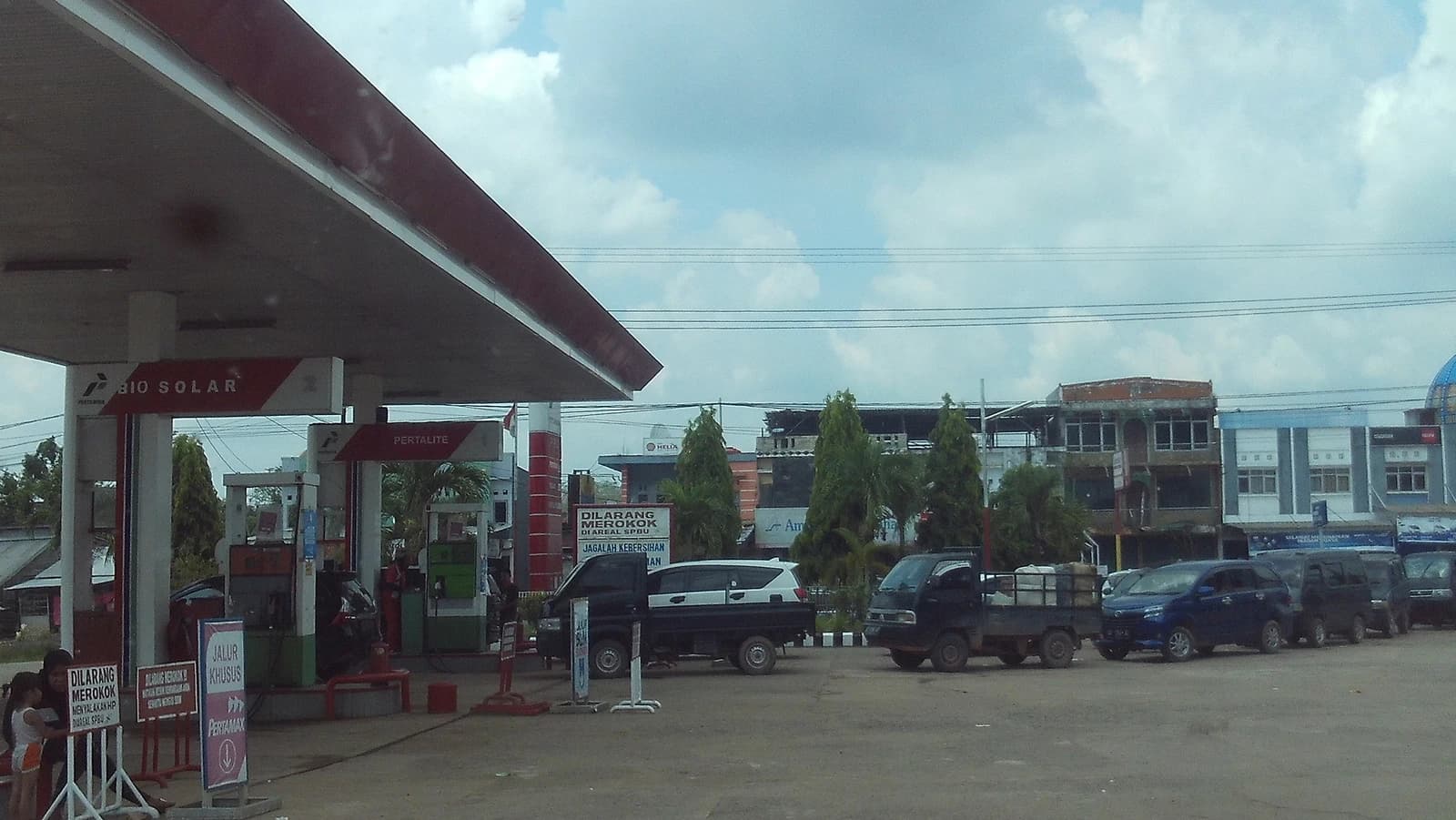
Australia’s opposition is betting that a temporary fuel-tax cut will win over cost-stretched voters, but the policy’s impact will depend on whether households keep driving, buy more petrol or simply pocket the savings.
Australia Coalition fuel excise cut plan explained
The Coalition’s Fuel Price Shield would automatically halve the fuel excise when Brent crude averages more than US$100 a barrel for two weeks, cutting about 27 cents a litre and roughly $15 from a typical tank, according to the party’s estimate. It would be funded by $8 billion in planned tobacco excise cuts and would also temporarily reduce the heavy vehicle road user charge to zero.
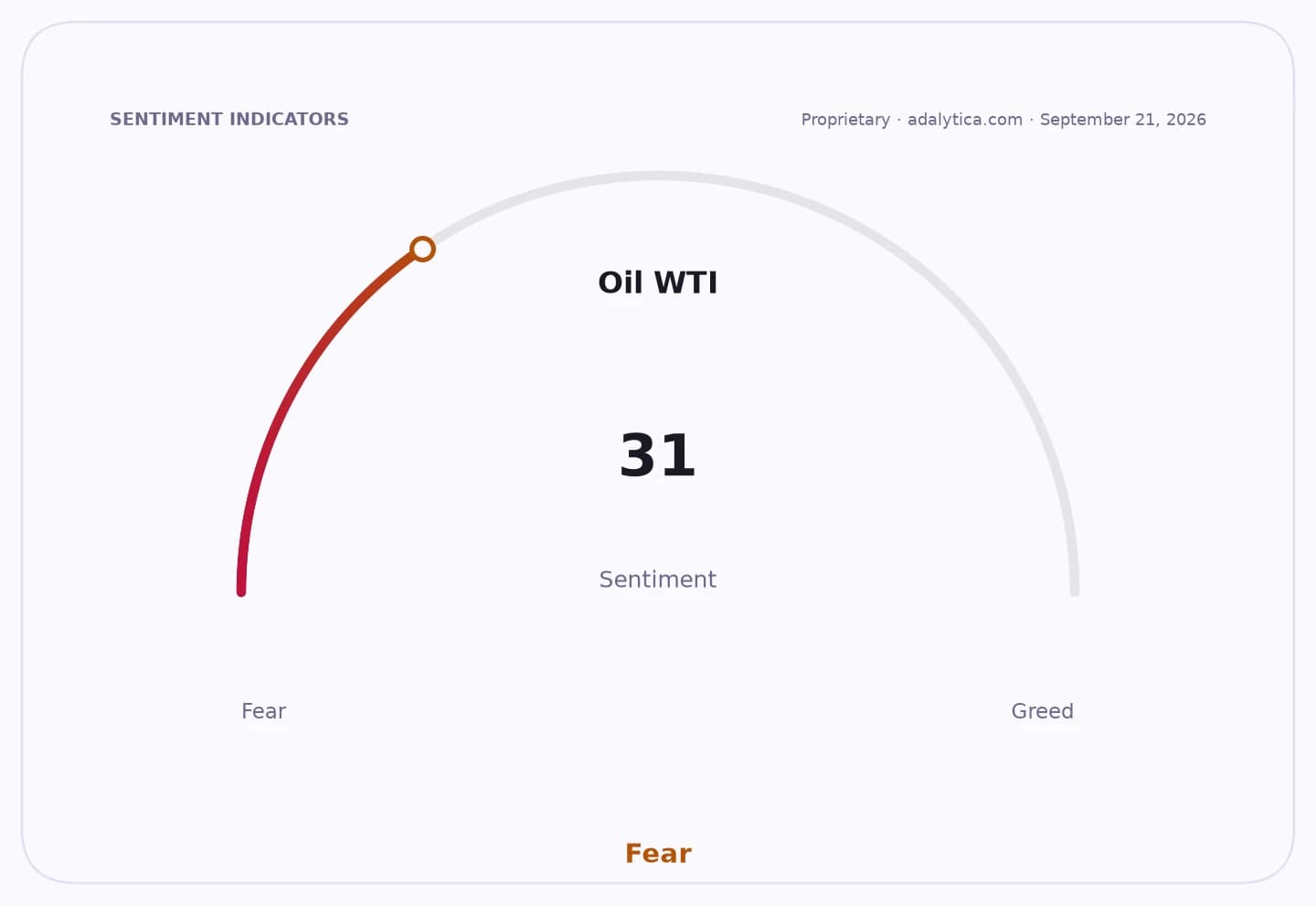
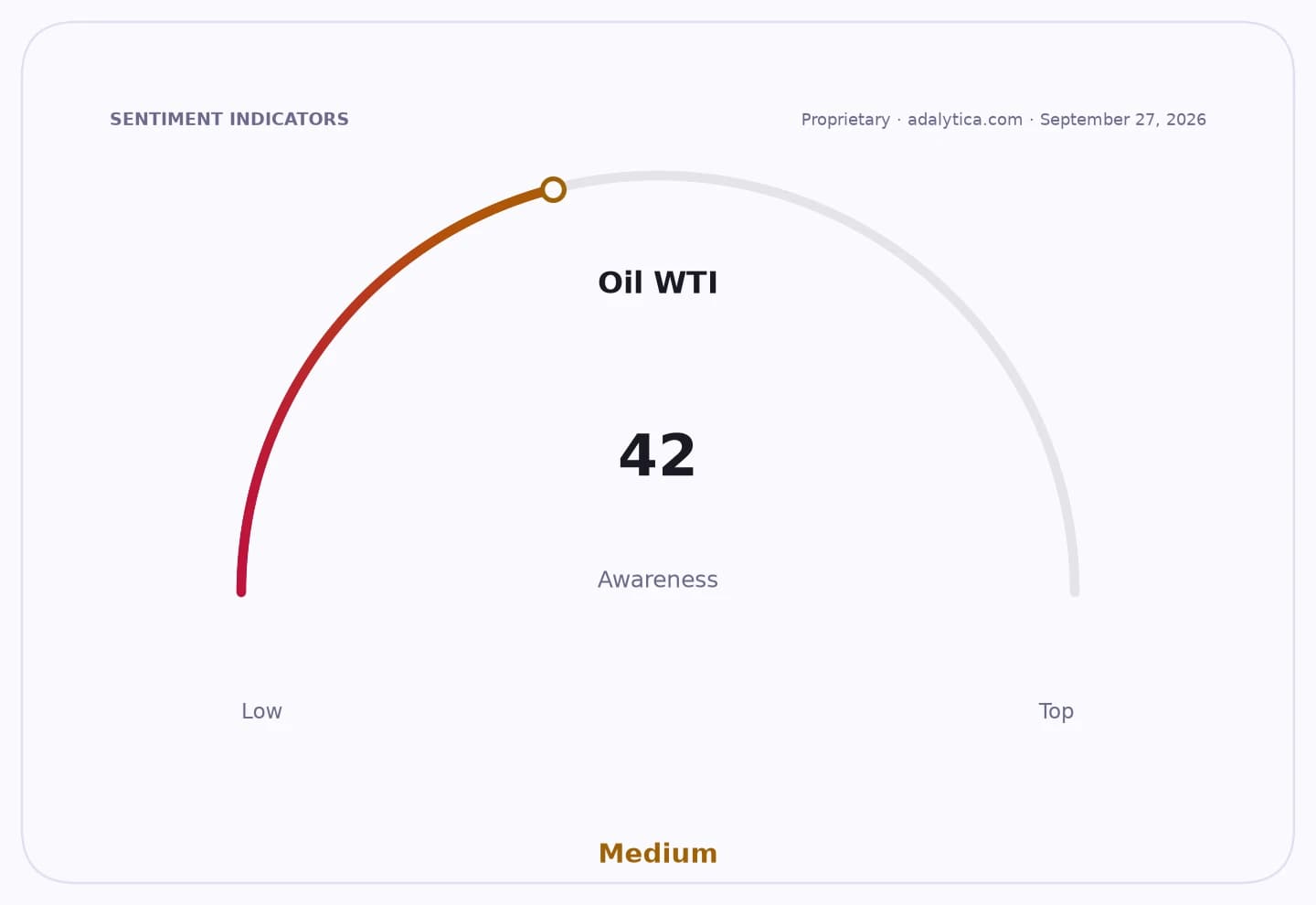
Sentiment IndicatorsⓘProprietary · adalytica.com · September 27, 2026
This is a snapshot — live sentiment, awareness and momentum for 130+ markets update continuously in the dashboard.Open AlphaPulse
The proposal lands as oil markets remain volatile and gasoline is a highly visible inflation pressure point. Brent’s benchmark has recently traded just under the threshold the Coalition wants to use, while U.S. crude-linked exchange-traded funds have swung sharply higher in recent months, underscoring how quickly fuel costs can feed into consumer sentiment and broader price expectations.
That matters because fuel prices are one of the fastest ways households feel inflation. When pump prices rise, they can alter spending behavior and inflation expectations even if the shock proves temporary, and history suggests tax relief tends to pass through to motorists in most locations. Australia’s 2022 excise holiday, introduced after Russia’s invasion of Ukraine pushed oil prices higher, was largely transmitted to drivers, though the gains were uneven.
The biggest economic question is who actually captures the benefit. Research cited in the source material shows lower fuel taxes often aid higher-income households more because they drive farther and own more vehicles, while rural residents, tradespeople and truck operators would likely gain the most from the Coalition’s plan. Consumers with limited ability to cut back on driving would see the relief immediately; those with shorter commutes would see less.
For investors, the proposal keeps Australia’s election debate tied to energy prices, household spending power and the inflation outlook. Any policy that changes pump prices can also alter consumer behavior in ways that feed back into demand for crude and refined fuels, which is why oil-sensitive assets such as Brent-linked funds and energy equities remain in focus when governments talk about tax relief.
The tobacco side of the package is a separate bet on behavior. The Coalition says lowering tobacco excise would pull smokers back into the legal market, but the broader risk is that cheaper cigarettes could also blunt the long-running decline in smoking and complicate public-health goals.
The real test of the fuel policy will be whether Australians treat the 27-cent-a-litre cut as temporary relief or as permission to keep driving and consuming at the same rate. If oil stays above the trigger, the issue could become one of the campaign’s most market-sensitive cost-of-living fights.
| Entity | Gains | Losses |
|---|---|---|
| Australian motorists | ▲Lower fuel bills | ▼None directly |
| Trucking and freight operators | ▲Zero road user charge | ▼Government revenue |
| Higher-income households | ▲Bigger cash savings | ▼Smaller relative benefit to low-mileage drivers |
| Federal budget | ▲Possible political support | ▼Tobacco excise revenue and tax receipts |