Australia’s decision to remake its Wheat Port Code is aimed less at rewriting the rules than at lowering the friction around one of its most important farm exports, with the government setting a path toward industry self-regulation from October 2026.
Australia Wheat Port Code Shift to Self-Regulation

That matters because wheat is still a major economic pillar for Australia’s agricultural sector, with the government forecasting the industry’s export value at about A$8.9 billion in 2026-27. For growers, handlers and port terminal operators, the change could reduce compliance costs and speed up commercial decision-making at a time when global grain trade remains shaped by volatile freight, geopolitics and weather.
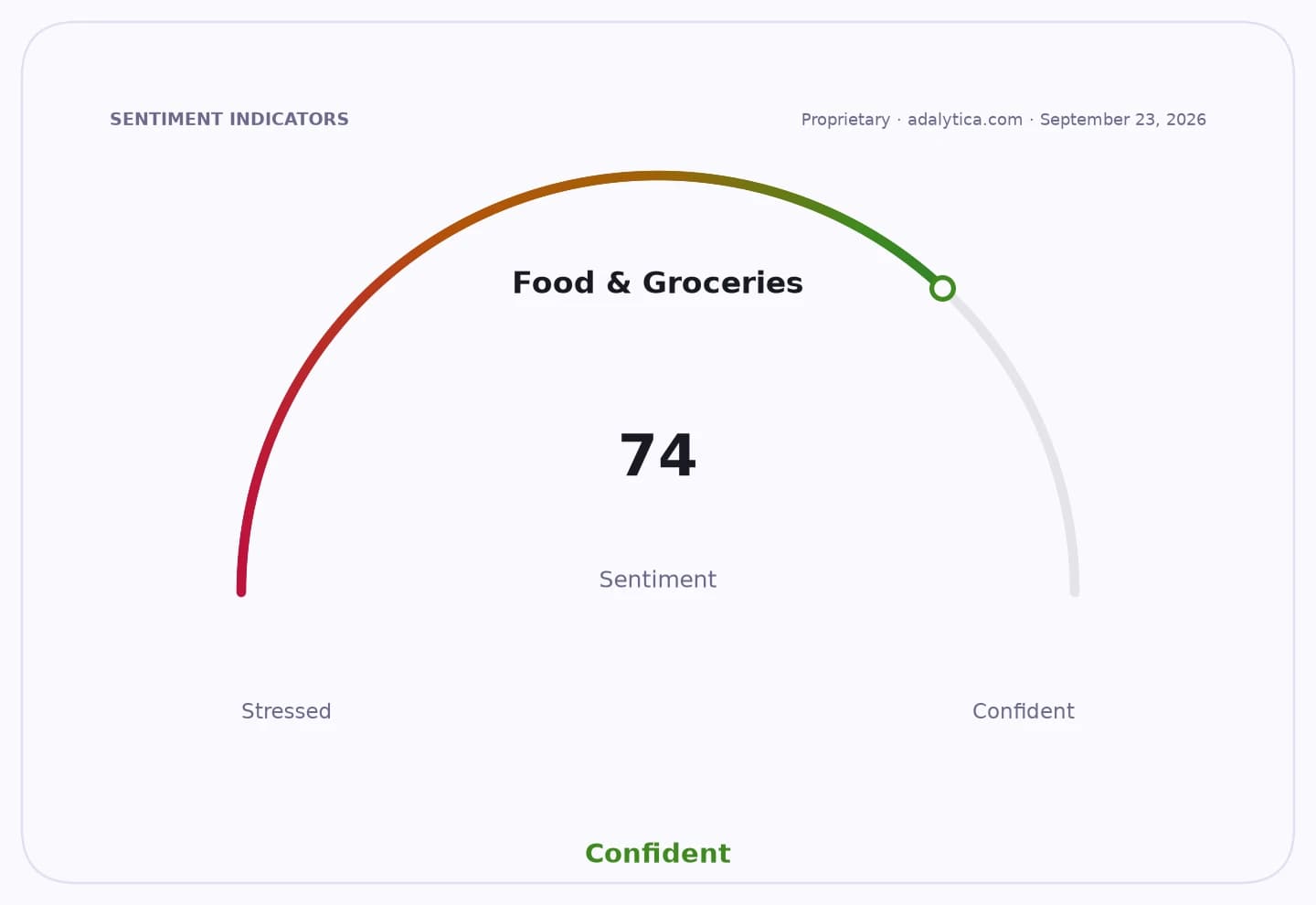
Sentiment IndicatorsⓘProprietary · adalytica.com · September 18, 2026
This is a snapshot — live sentiment, awareness and momentum for 130+ markets update continuously in the dashboard.Open AlphaPulse
The remade code will run for three years from Oct. 1, 2026, and is designed to preserve transparency obligations while giving industry more room to manage itself. It keeps requirements around timely publication of port loading statements, port loading protocols, standard terms and reference prices, but shifts the broader framework toward self-regulation once the transition is developed.
For investors, the significance lies in operating leverage and competitive positioning. A lighter regulatory burden can improve efficiency for exporters and port terminal users, especially if it reduces bottlenecks or disputes over access. It may also support Australia’s standing as a reliable wheat supplier in markets where buyers have been navigating Black Sea disruptions, tighter Canadian output and shifting import demand.
The policy comes against a backdrop of mixed grain signals. Wheat prices have been pressured at times by expectations of easier Black Sea logistics, but supply remains constrained by geopolitical risk, while import tenders and local hoarding have kept wholesale markets firm in parts of the world. That makes export reliability as important as harvest size.
The move also reflects a broader government preference to step back where industry can police itself, while keeping enough oversight to avoid market abuse. The bull case is a more efficient export chain and stronger private-sector responsiveness. The bear case is that a lighter-touch regime could expose smaller participants to pricing or access disadvantages if self-regulation proves uneven.
For wheat markets, the main question now is whether the transition delivers both competition and transparency without disrupting port access. If it does, Australia could strengthen its export edge just as global buyers continue to prize dependable supply over pure volume.
| Entity | Gains | Losses |
|---|---|---|
| Australian wheat exporters | ▲Lower compliance burden | ▼Less direct regulatory protection |
| Port terminal operators | ▲More operational flexibility | ▼Greater transparency obligations |
| Wheat growers | ▲Potentially smoother exports | ▼Risk of uneven access if self-rule falters |
| Competing exporters | ▲Less of a pricing edge from friction | ▼Australia’s competitiveness improves |