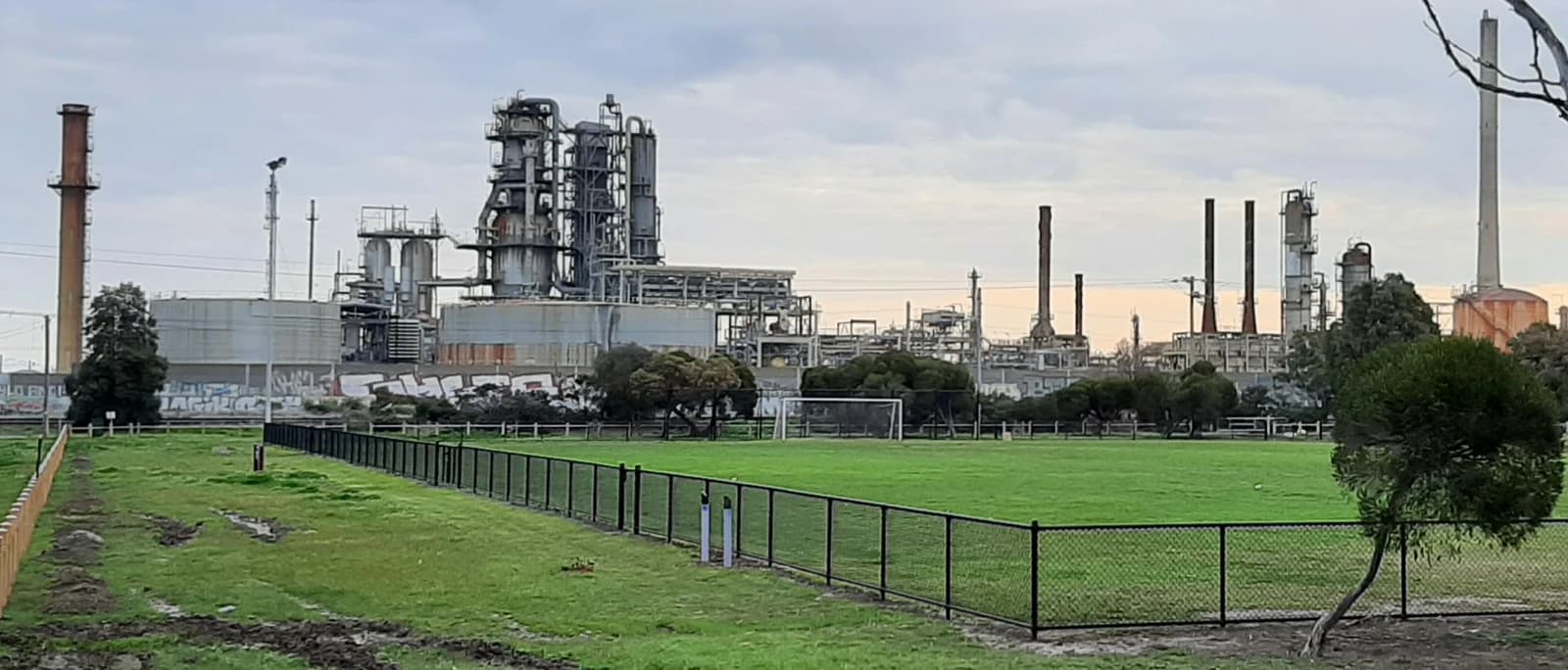
Carbon-credit buyers and polluting companies are buying up Australian farmland at a pace that is squeezing out local producers and raising the odds of government caps on land acquisitions.
Australian farmland buys tied to carbon credits
The scramble matters because it is turning productive agricultural land into a financial asset tied to net-zero targets, rather than a site of food production. In regions such as Queensland and Victoria, the new buyers are often better capitalized than family farms and can justify paying prices that reflect the long-term value of carbon offsets, not crop returns. That makes it harder for traditional farmers to expand, lease or even remain in place, and it risks pushing up land values across the sector.
Sentiment IndicatorsⓘProprietary · adalytica.com · August 18, 2026
This is a snapshot — live sentiment, awareness and momentum for 130+ markets update continuously in the dashboard.Open AlphaPulse
For investors, the shift highlights how climate policy is reshaping real assets. Carbon credits are no longer just a compliance line item for corporate emitters; they are influencing control over land, one of the most constrained inputs in agriculture. That creates winners among landowners, carbon project developers and offset buyers with large balance sheets, but it also raises execution and regulatory risk. If policymakers respond with acquisition caps or tighter rules on offset-eligible land, the economics of these purchases could change quickly.
The broader narrative is a competition between food security and decarbonization. Supporters say carbon markets are channeling capital into rural Australia and monetizing land that can deliver both emissions reductions and income. Critics argue that the model is hollowing out farm communities and encouraging speculative behavior under the banner of sustainability. The tension is becoming more visible as land in high-quality farming regions is increasingly priced not on what it grows, but on the carbon it can store.
That sets up a policy test. If governments move to limit further land aggregation for carbon projects, the flow of capital into the sector could slow and valuations for carbon-linked farmland may come under pressure. If they do not, local producers may continue to lose ground to buyers whose economics are driven by net-zero commitments rather than agricultural margins.
| Entity | Gains | Losses |
|---|---|---|
| Carbon-credit buyers | ▲Land for offsets | ▼Scrutiny over land use |
| Polluting companies | ▲Cheap net-zero compliance | ▼Reputational risk |
| Farmers | ▲Higher sale prices in some cases | ▼Access to land and scale |
| Policymakers | ▲Chance to set guardrails | ▼Pressure from both sides |