Austria’s inflation accelerated again in September, with consumer prices rising 3.6% from a year earlier as diesel, petrol and heating oil delivered the sharpest shock to households and pushed the cost of living further above the European Central Bank’s comfort zone.
Austria inflation rises 3.6% in September
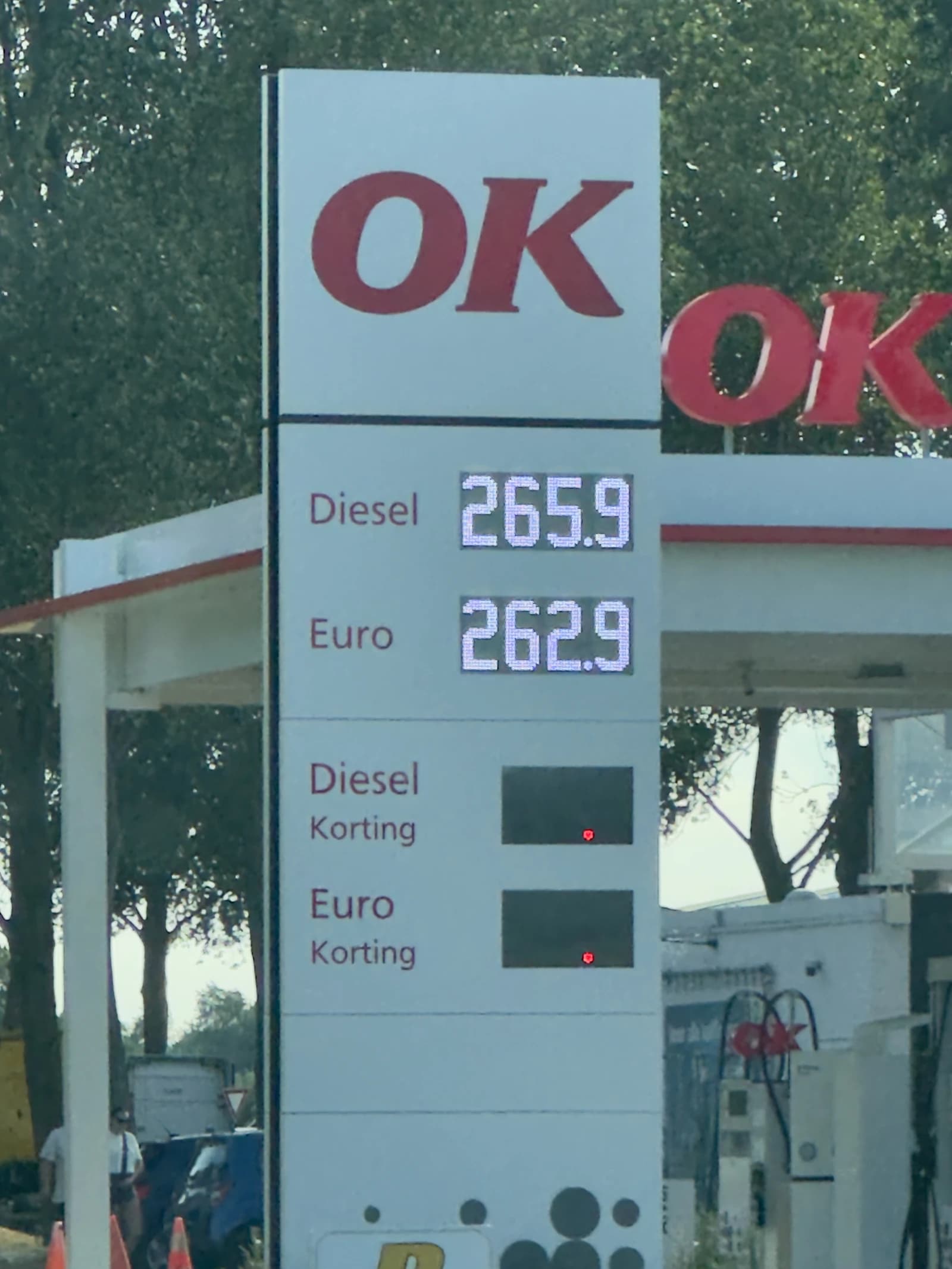
The new figures underline how energy is once again doing the heavy lifting in Austria’s inflation picture. Diesel prices were 42.3% higher than a year ago, super unleaded rose 25.5% and heating oil jumped 63.1%, meaning motorists and households that rely on oil heating are absorbing a far bigger hit than the headline rate suggests.
Strip out fuel and heating oil and inflation would have been just 2.4%, a reminder that the recent upswing is being driven less by broad-based demand and more by volatile energy costs. That distinction matters for policymakers and markets because energy-led inflation can reverse quickly, but it still squeezes real incomes in the meantime and keeps pressure on wage demands, retail spending and utility bills.
Housing costs are adding to the strain. Rents increased 4.1% year on year, gas prices climbed 11.8% and district heating rose 5.1%, extending the burden on household budgets even as electricity prices fell 9.3% thanks in part to lower taxes and changes to subsidy contributions.
The split between the day-to-day shopping basket and the broader weekly basket is equally telling. Austria’s so-called micro basket, which tracks items such as food, newspapers and coffee, was 0.2% cheaper than a year ago, but the mini basket — which also includes services and fuel — rose 6.0%, well above headline inflation. That points to a rising cost squeeze on transport and services rather than a uniform surge across consumer goods.
For investors, the data matter because persistent energy inflation can delay any easing in real household pressure, support nominal revenues in transport and utilities, and complicate the outlook for rates and domestic demand. The near-term question is whether lower electricity prices and softer food inflation can offset fuel costs, or whether oil-price volatility keeps Austria above target for longer.
| Entity | Gains | Losses |
|---|---|---|
| Oil producers | ▲Higher fuel revenue | ▼None |
| Austrian motorists | ▲None | ▼Steeper refueling costs |
| Oil-heating households | ▲None | ▼Sharp heating bill increases |
| Utilities and energy retailers | ▲Potential pass-through margins | ▼Consumer backlash |