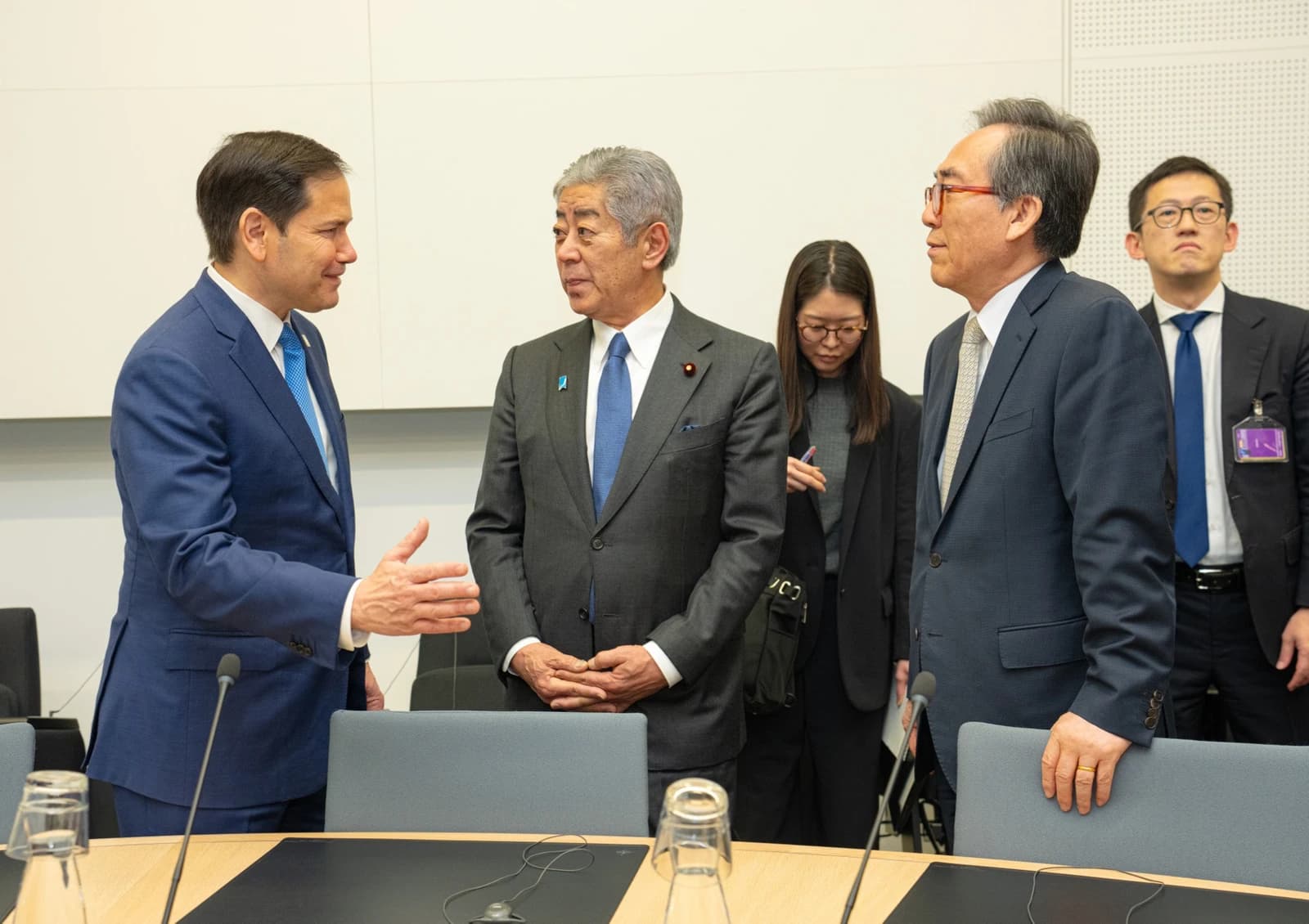
Quiet back-channel diplomacy is helping Moscow chip away at the Western effort to keep Russia economically and politically isolated, even as European governments push for tougher sanctions after another wave of attacks on Ukraine.
Back-Channel Diplomacy Erodes Russia Sanctions Pressure
The significance is not the optics of informal contacts alone. It is that every successful workaround, intermediary or reluctant veto weakens the economic pressure campaign that was supposed to constrain Russia’s war machine, and it signals to investors that geopolitics is increasingly being negotiated in the gaps between formal alliances rather than through them.
Estonia’s call for “complete strategic isolation” after the latest missile strike on Ukraine captures the hardline view inside the EU and NATO: sanctions only work if they are broad, durable and tightly enforced. The problem, as the latest blockage of new sanctions shows, is that consensus is brittle. One holdout is enough to slow or dilute measures, while shadow intermediaries can keep trade, finance and logistics moving just far enough to blunt the impact.
That matters economically because sanctions are not a one-time shock; they are a cumulative drain on a country’s access to capital, technology, shipping, insurance and settlement systems. If Russia can use unofficial envoys, third countries or discreet commercial channels to rebuild ties, the cost of isolation rises for the West and falls for the Kremlin. The result is a slower transmission of economic pain into military constraint, which is exactly what sanctions architects are trying to avoid.
For investors, the story is less about direct exposure to Russia — still limited for most global portfolios — than about what sustained fragmentation means for risk pricing. A weaker sanctions regime can support some energy and commodity flows through non-Western routes, but it also extends the geopolitical discount on European assets, keeps defense spending elevated and reinforces volatility in sectors tied to shipping, banking, insurance and industrial supply chains. Companies with exposure to Eurasian trade corridors may see more opportunity, but they also face higher compliance risk and reputational costs.
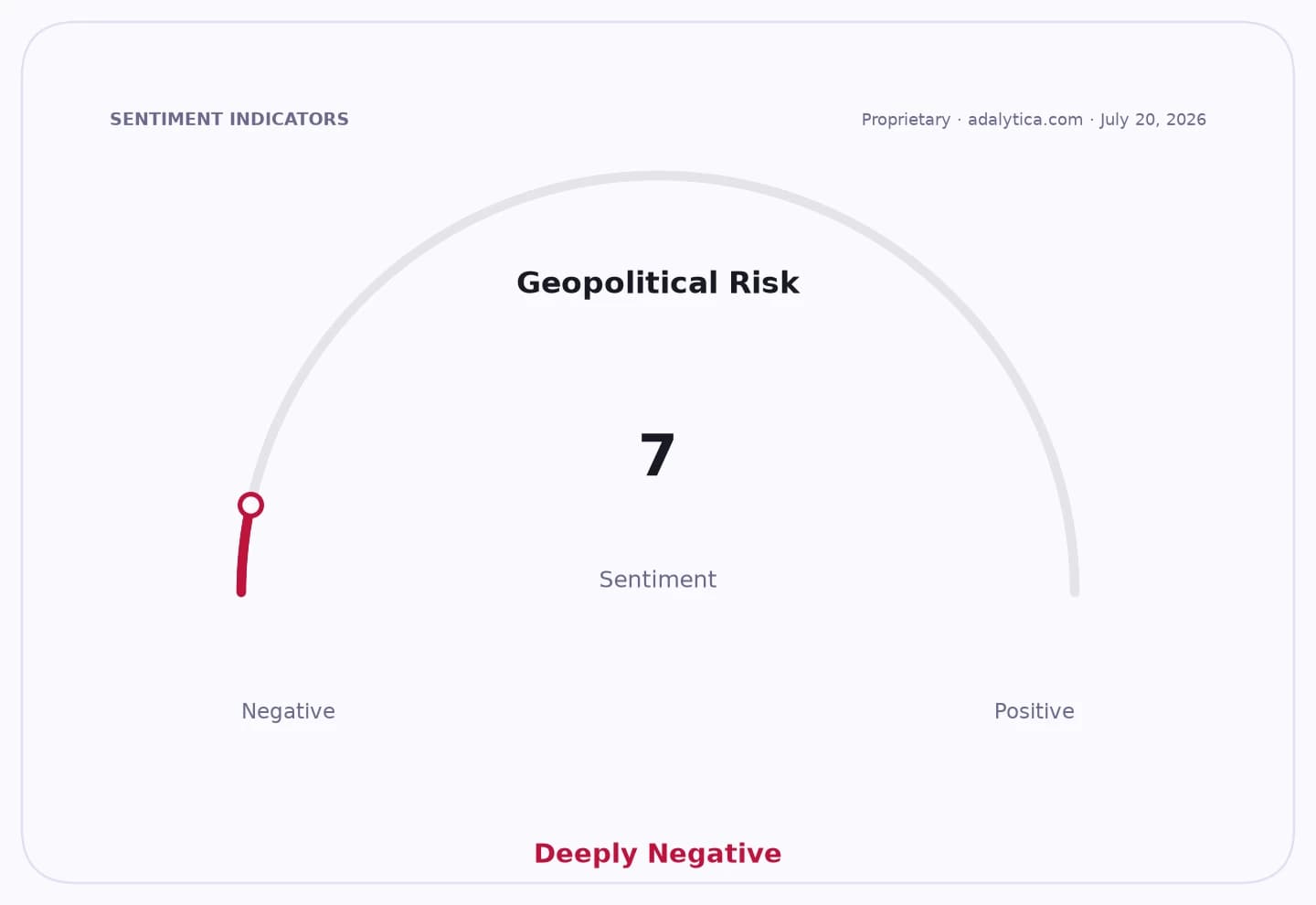
The market backdrop underscores that fear. Adalytica’s Global Stability Sentiment gauge shows “Extreme Fear,” suggesting that investors are treating geopolitical risk as a live macro variable rather than a background condition. In that setting, any evidence that Russia is finding ways back toward normal commercial relations matters because it implies the conflict’s economic perimeter is more porous than policymakers want to admit.
There is also a strategic trade-off. The more aggressively the West isolates Russia, the more incentive Moscow has to deepen ties with Asia, the Middle East and other non-aligned markets. That may preserve export revenues and import channels, but it comes with a structural penalty: higher transaction costs, heavier dependence on intermediaries and less access to advanced Western capital and technology. The bear case for Moscow is that these frictions compound over time; the bull case is that Russia can still adapt faster than sanctions can tighten.
For now, the message for policymakers is that sanctions credibility depends as much on alliance discipline as on new rules. For investors, the key question is whether shadow diplomacy is a temporary workaround or evidence that the global economic order is settling into a more fragmented, bloc-based system. If the latter, the market implications will extend well beyond Russia.
| Entity | Gains | Losses |
|---|---|---|
| Russia | ▲Back-channel access | ▼Isolation pressure |
| Western unity | ▲Harder to sustain | ▼Tactical influence |
| Energy/trade intermediaries | ▲New routing gains | ▼Compliance risk |
| Defense assets | ▲Higher demand | ▼Peace dividend prospects |