Temporary government workers in Bahrain who have spent up to seven years on fixed-term contracts are becoming a test case for how the state balances wage discipline with social stability and the efficient use of public money.
Bahrain reviews long-term temporary government contracts
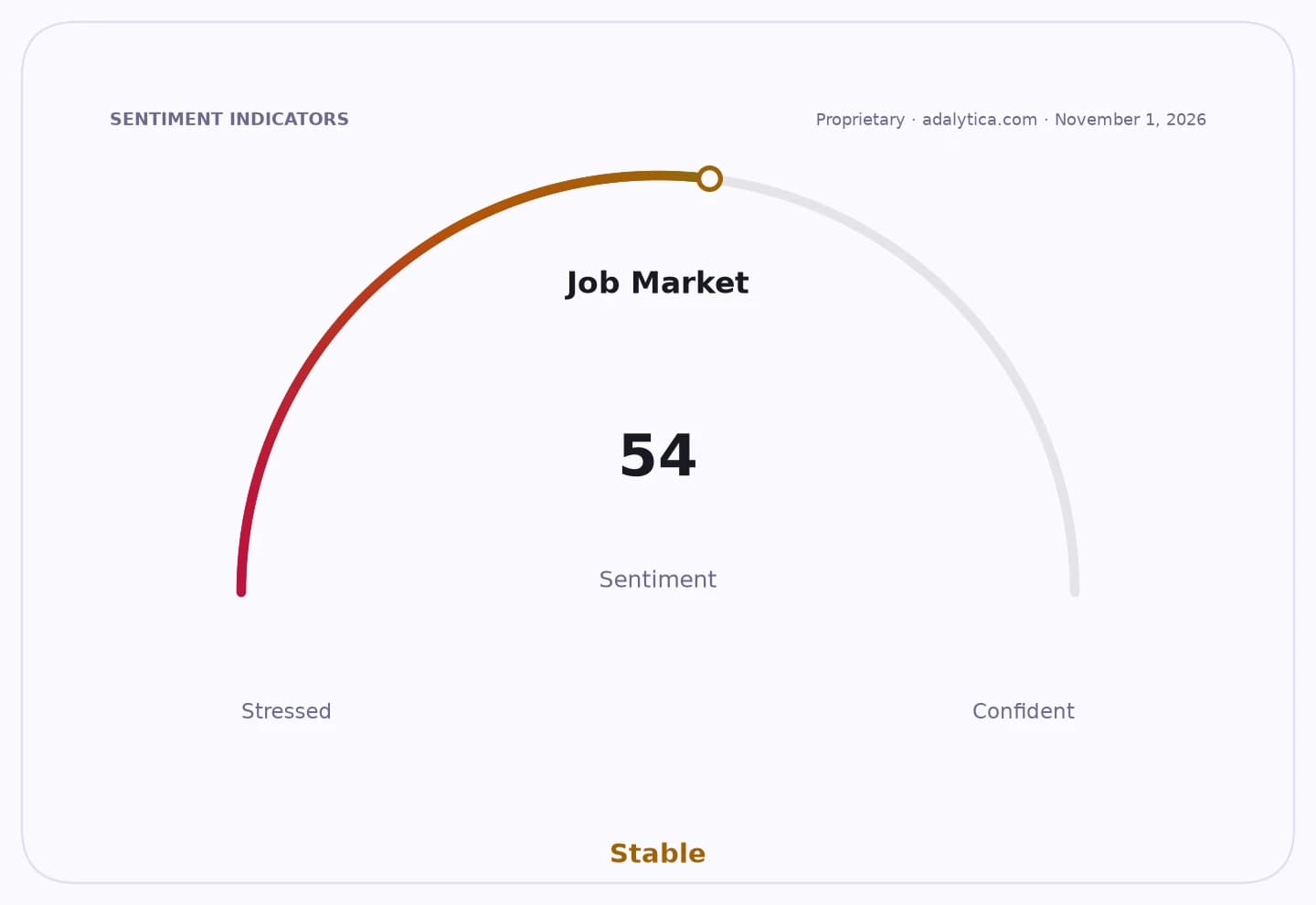
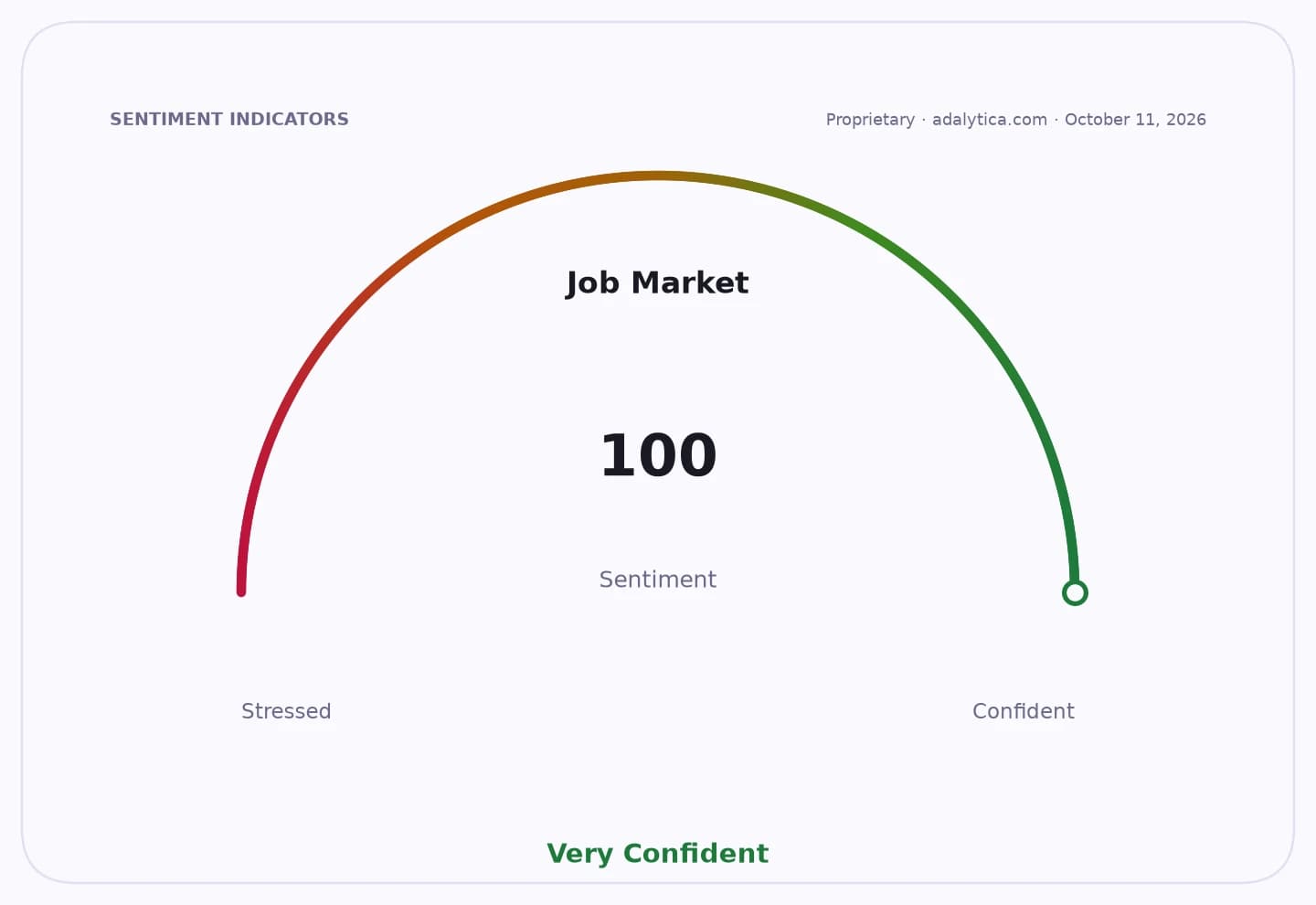
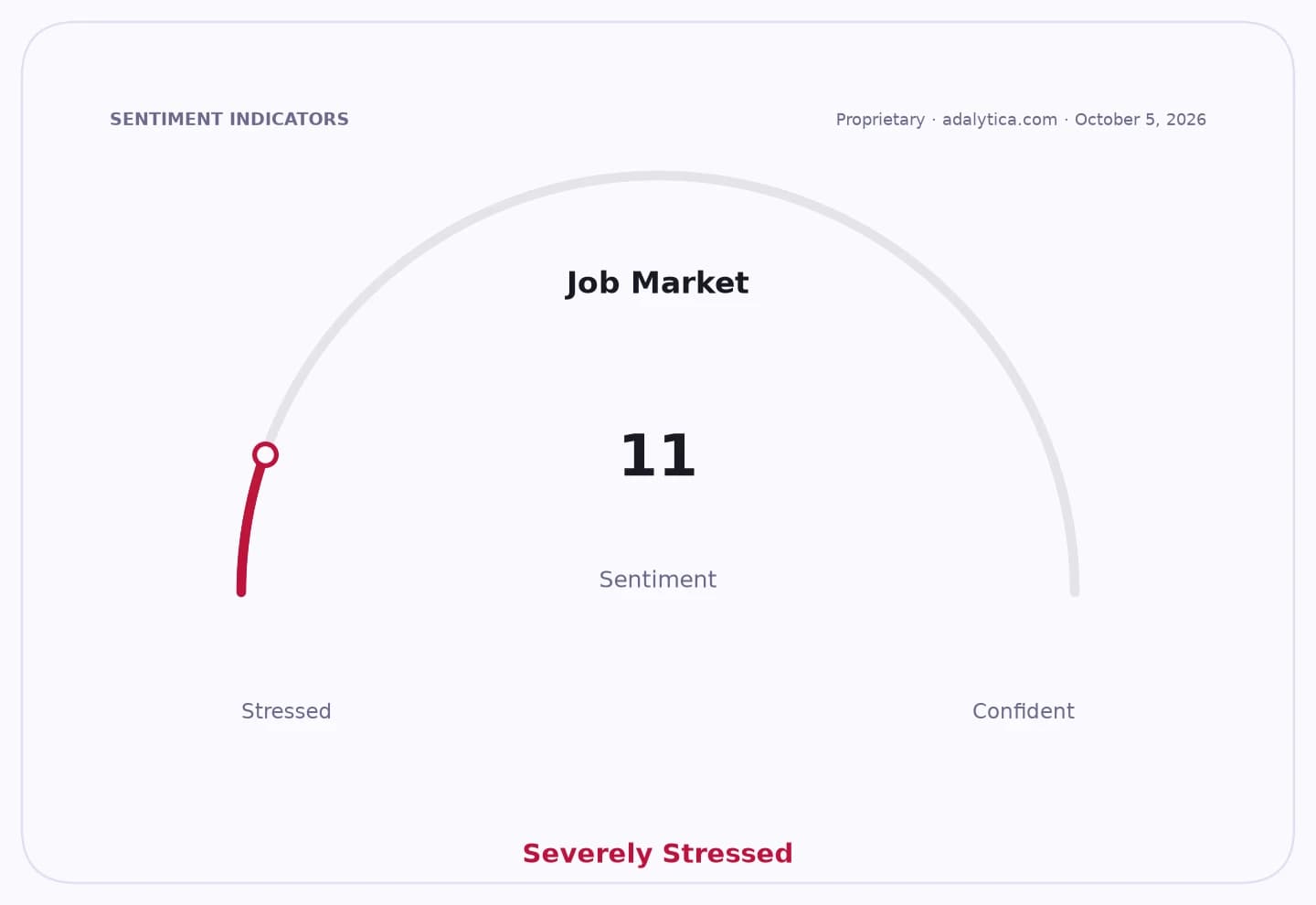
Job Market
The issue was pushed into the open by lawmaker Ali Saqr Al-Dosari, who urged the government to review the status of Bahraini employees hired through temporary contracts in public bodies for extended periods, arguing that anyone kept on for more than a year is effectively filling a permanent need. He said some workers have waited four, five and even seven years for confirmation, leaving them unable to plan family finances or long-term life decisions.
Sentiment Indicators
The economic argument goes beyond labor rights. Al-Dosari questioned why government agencies rely on staffing companies for ongoing work when they could hire Bahrainis directly. According to his remarks, some workers receive salaries of 400 to 500 dinars a month while the outsourcing firms collect 1,000 to 1,500 dinars for the same services, implying a large margin embedded in the contracting model. If accurate, that structure points to a potentially inefficient use of budgetary resources at a time when governments across the region are being pushed to do more with less.
For investors and market participants, the story matters because public-sector hiring practices feed into household income stability, consumer confidence and the broader labor market. Bahrain’s economy is still heavily influenced by government spending, and a shift away from outsourced labor toward direct employment would alter payroll costs, procurement flows and the demand profile for staffing intermediaries. It could also support local consumption if more workers receive permanent jobs with better visibility on income and benefits.
There is also a political economy dimension. Fixed-term government employment can help contain near-term headcount and administrative flexibility, but prolonged reliance on temporary labor risks creating a hidden permanent workforce without the security or productivity incentives of regular jobs. That can become costly politically as well as financially, especially when citizens see middlemen taking a large share of the budgeted spend.
The likely direction is a review rather than an immediate overhaul, but the pressure is now on Bahrain’s government to publish hard numbers on how many people have been kept on temporary contracts, how long they have been waiting and whether outsourcing still offers value for money. For investors watching the kingdom’s fiscal management and labor policy, the key question is whether this becomes a one-off personnel grievance or the start of a broader cleanup of public-sector staffing costs.
| Entity | Gains | Losses |
|---|---|---|
| Temporary Bahraini workers | ▲Job security | ▼Contract uncertainty |
| Government budget | ▲Potential cost savings | ▼Higher payroll outlays |
| Staffing firms | ▲Outsourcing fees | ▼Direct hiring business |
| Bahraini households | ▲More stable incomes | ▼Delayed financial planning |