Mallorca’s retailers are pressing the Balearic government for a commercial “resident discount” on shipping, arguing that high inter-island freight costs are leaving local shops unable to compete with mainland sellers and online marketplaces such as Amazon.
Balearic retailers seek shipping discount for parcels
The demand matters because the price gap is not a marginal inconvenience but a structural handicap for a small-business economy that increasingly depends on e-commerce to reach customers beyond the islands. Shipping a product from Mallorca to Madrid is more expensive than sending the same item in the opposite direction, turning geography into a built-in tax on Balearic commerce and eroding margins on every online sale that leaves the archipelago.
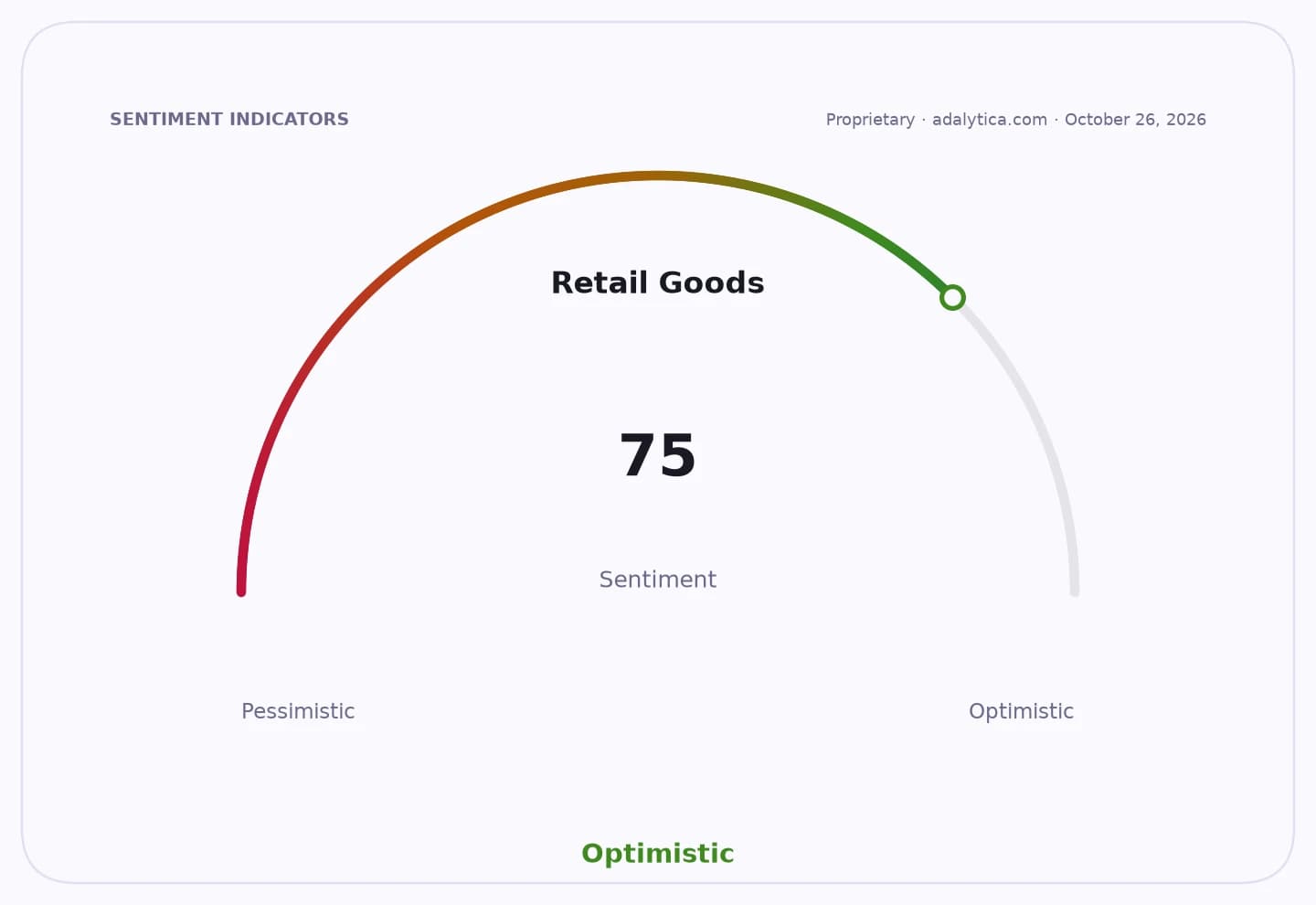
Sentiment Indicators
The Confederación Balear del Comercio says the measure would mirror the resident fare subsidy already used to soften the cost of insularity for individuals, but extend the logic to commercial parcels. For independent retailers, the issue is as much about survival as expansion: without a transport rebate, they face higher end-to-end costs than mainland competitors that can offer faster or cheaper delivery, especially when selling through large online platforms with scale advantages in logistics and pricing.
The plea is beginning to find a hearing in the Govern, which is preparing a study on the costs of insularity. That does not amount to an aid package yet, but it suggests policymakers are moving closer to quantifying the competitive penalty faced by island businesses. For the local economy, the stakes are broader than retail alone. If Balearic firms remain structurally disadvantaged in online distribution, investment and job creation will tend to favor larger mainland operators, while smaller island businesses lose market share and bargaining power.
Investors should read the debate as another reminder that logistics costs can determine which retailers can scale profitably in fragmented geographies. For platforms and parcel operators, any subsidy could stimulate more outbound commerce from the islands. For local merchants, it could narrow the gap with Amazon and other mainland sellers. The risk is that without a targeted scheme, the Balearic retail sector keeps absorbing a freight penalty that is difficult to pass on to consumers and even harder to offset through volume.
The next catalyst is whether the government’s study turns the political argument into a budgeted policy. If it does, the Balearics could become a test case for how far regional authorities are willing to use transport subsidies to preserve local commerce in the age of e-commerce.
| Entity | Gains | Losses |
|---|---|---|
| Balearic small retailers | ▲Lower shipping costs | ▼Less pricing pressure |
| Mainland e-commerce sellers | ▲Current cost advantage | ▼Potential subsidy edge |
| Balearic government | ▲Policy leverage | ▼Budget strain |
| Consumers in the islands | ▲Wider online choice | ▼Higher prices without aid |