The Netherlands will lift the price of a single stamp to 1.52 euros from 1.40 euros on Jan. 1, 2027, underscoring how shrinking letter volumes and higher delivery costs are forcing the country’s universal postal operator to keep pushing up regulated tariffs.
PostNL to Raise Dutch Stamp Price to 1.52 Euros
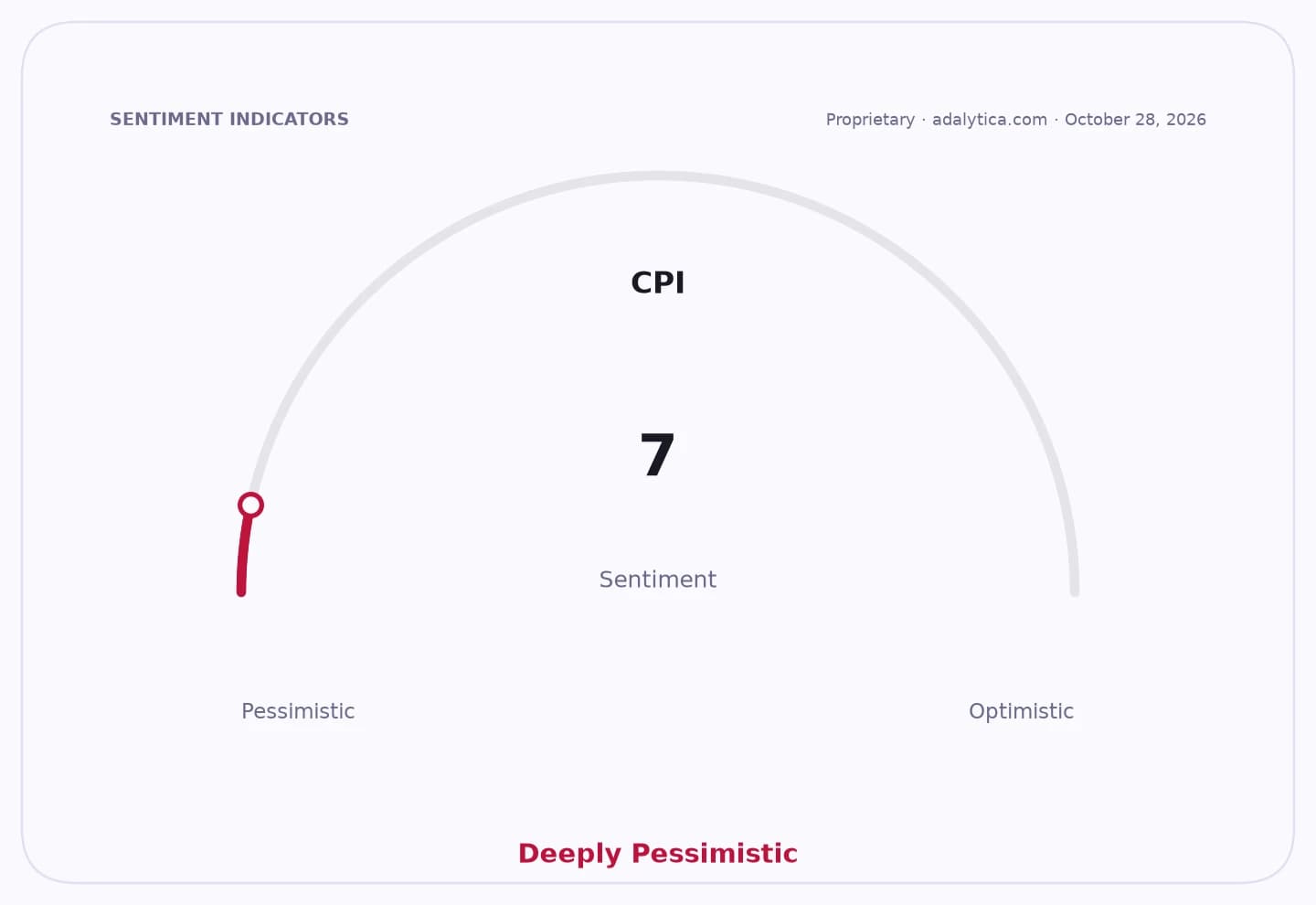
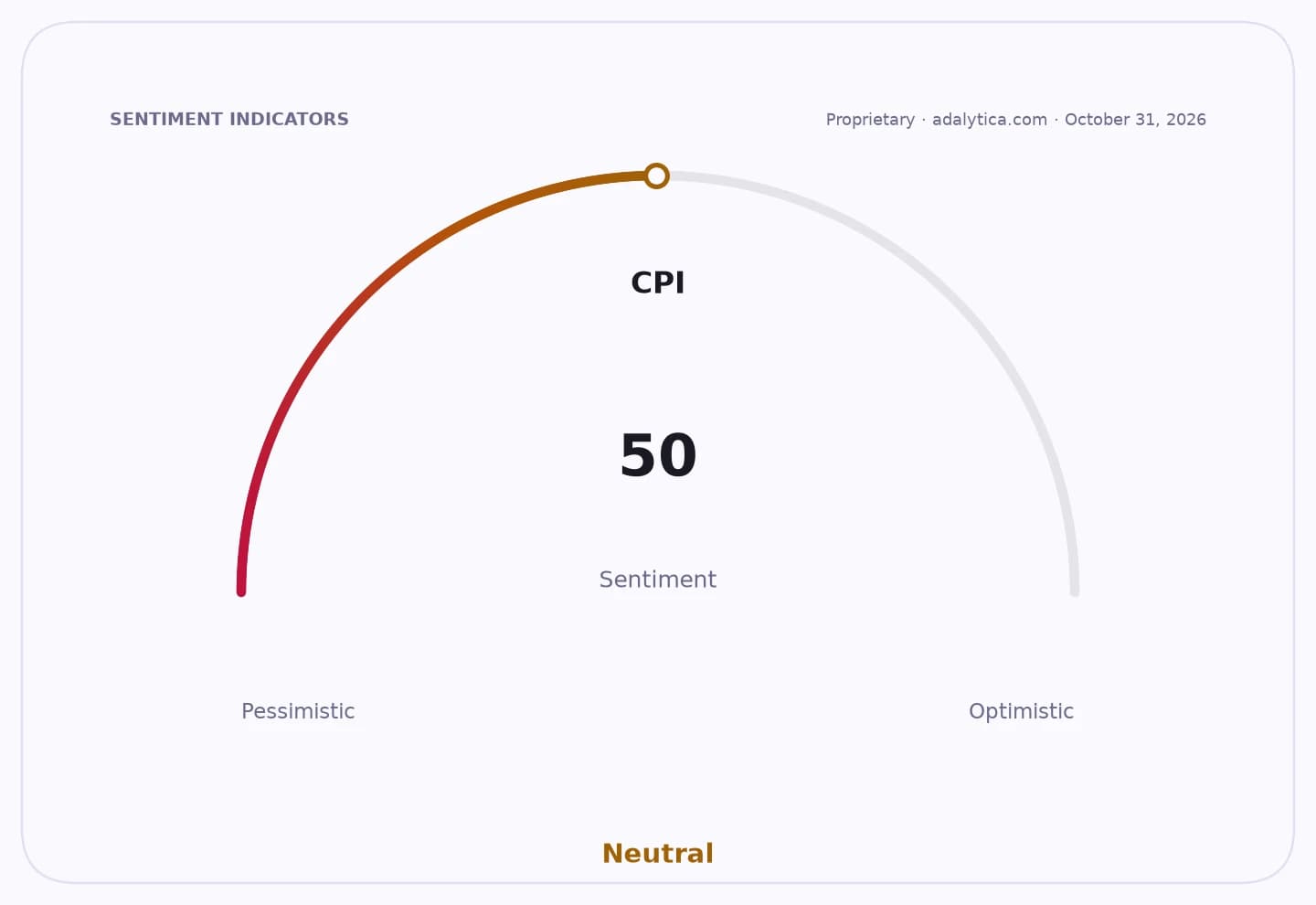
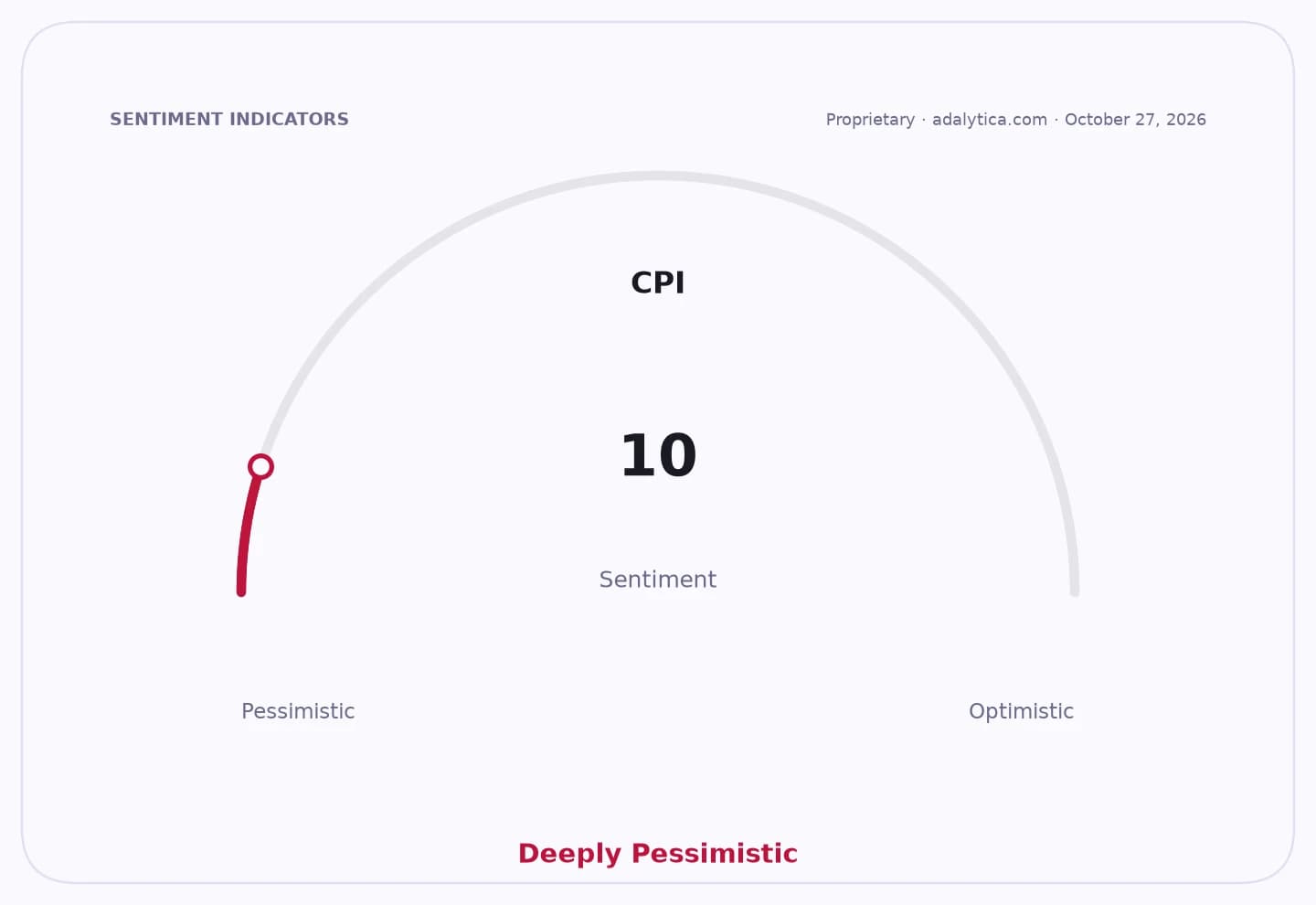
CPI
The increase matters because it is not just a small consumer price adjustment but a sign of structural decline in the traditional mail business. PostNL, the state-designated provider of the Dutch postal service, is operating in a market where there is no real competition and where the regulator, the Authority for Consumers and Markets, has to balance public service obligations against a business model under pressure from falling demand, wage costs and inflation.
Sentiment Indicators
PostNL said the price rise stays within the tariff room set by the regulator, which approved higher charges earlier this year. The company has already moved to slow ordinary mail: standard letters and cards are now delivered within two business days instead of one, and PostNL has said it wants to widen that window further.
Priority letters and funeral mail will hold steady next year at 3.95 euros and 3.25 euros respectively, preserving faster service for time-sensitive items even as the baseline product is allowed to become more expensive and less immediate. That split highlights the economics of modern postal networks: fixed collection and delivery infrastructure is being spread over fewer pieces of mail, so unit costs rise even as service standards are eased.
For consumers and small businesses, the impact is modest in absolute terms, but the direction is clear. A stamp increase of 12 euro cents is another reminder that declining usage can turn a once-mass-market utility into a niche service with rising per-item economics. For investors, the key question is whether tariff increases and service rationalization can offset the secular erosion in mail volumes enough to stabilize margins at PostNL and similar postal operators across Europe.
The broader investment case remains mixed. Bulls can point to regulator-backed pricing power and the ability to rebase the network around a smaller volume base. Bears will note that each round of price hikes risks accelerating the shift to digital alternatives, making it harder to defend long-term throughput and keeping pressure on earnings quality. The next catalyst will be whether PostNL can use further service changes to protect profitability without provoking more political or consumer backlash.
| Entity | Gains | Losses |
|---|---|---|
| PostNL | ▲Higher regulated revenue | ▼Lower mail volumes |
| Consumers | ▲Faster-mail option preserved | ▼Higher postage costs |
| Regulator/State | ▲Cost recovery for universal service | ▼Public frustration over service cuts |
| Digital communication providers | ▲More substitution from paper mail | ▼None |