Russia’s decision to join a UN court case between Lithuania and Belarus adds a legal front to an already volatile security dispute on NATO’s eastern edge, underscoring how Moscow is using international institutions to contest pressure from its neighbors even as the region braces for possible escalation.
Baltic Tensions Lift Defense And Energy Hedges

The move matters because it deepens the geopolitical risk premium around the Baltic states at a time when Lithuania has declared a state of emergency over warnings that Russia may be preparing targeted attacks on critical infrastructure in the region and in Poland. That combination of legal maneuvering and military alarm signals a broader test of NATO’s deterrence posture, with the Baltic corridor once again at the center of European security concerns.
For investors, the significance is less about the courtroom itself than the spillover risk. Heightened tension along NATO’s eastern flank can support defense spending, keep energy and transport routes under scrutiny and reinforce demand for safe-haven assets when headlines intensify. It also raises the probability of fresh sanctions rhetoric or retaliatory measures, which can widen risk premia across European equities, particularly in exposed industrial, logistics and utilities names.
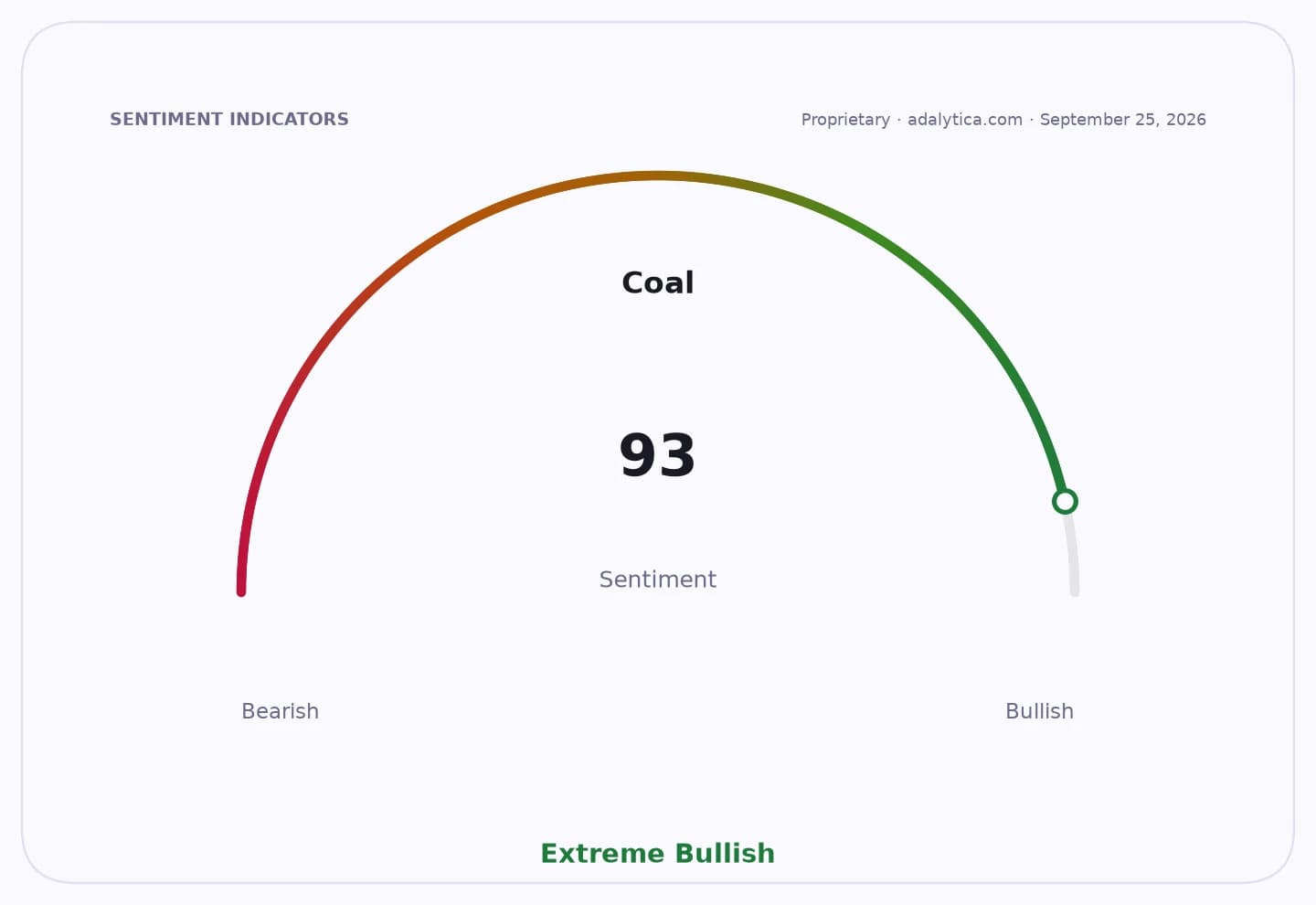
The macro backdrop is already fragile. The Adalytica Global Stability Sentiment gauge sits at 4, labeled “Extreme Fear,” reflecting a sharp deterioration in geopolitical confidence over the past month. That sort of reading typically coincides with wider caution in markets, even when direct economic damage is not yet visible, because investors begin to price in tail risks rather than base-case growth.
Oil markets offer one visible channel for that anxiety. Brent-linked U.S. crude has rebounded to about $78 a barrel from a July low near $73, a reminder that geopolitical stress in Europe can feed into energy pricing even without immediate supply disruption. Higher energy costs would be a headwind for importers and a relative tailwind for producers, while also complicating inflation expectations and central-bank policy calculations.
Equity trading in Europe shows a more measured response so far. The iShares MSCI United Kingdom ETF, which can serve as a broad proxy for developed-market risk appetite, has held above both its 50-day and 200-day moving averages, with momentum indicators still positive. That suggests investors have not yet broadly de-risked, but they are likely watching whether the Baltic dispute stays diplomatic or begins to intersect with infrastructure, shipping, or energy security.
The bear case is that the legal dispute is only a symptom of a wider confrontation that could quickly spread into the physical economy through cyberattacks, logistics disruptions or tougher sanctions. The bull case is that Russia’s participation in a court process indicates a preference for political theater and lawfare over direct military escalation, allowing markets to keep treating the episode as a regional headline rather than a systemic shock.
For now, the key question is whether Lithuania’s emergency posture and allied monitoring remain precautionary or become the opening move in a wider NATO-Russia standoff. If the rhetoric hardens or incidents follow, investors are likely to rotate further toward defense, energy and other geopolitical hedges, while pricing more risk into European assets exposed to the Baltic and Polish theater.
| Entity | Gains | Losses |
|---|---|---|
| Russia | ▲Legal cover in dispute | ▼More scrutiny over escalation |
| Lithuania/Poland | ▲NATO attention and support | ▼Higher security risk |
| Defense contractors | ▲Potential spending boost | ▼None immediate |
| European importers | ▲No clear gain | ▼Higher risk premium |