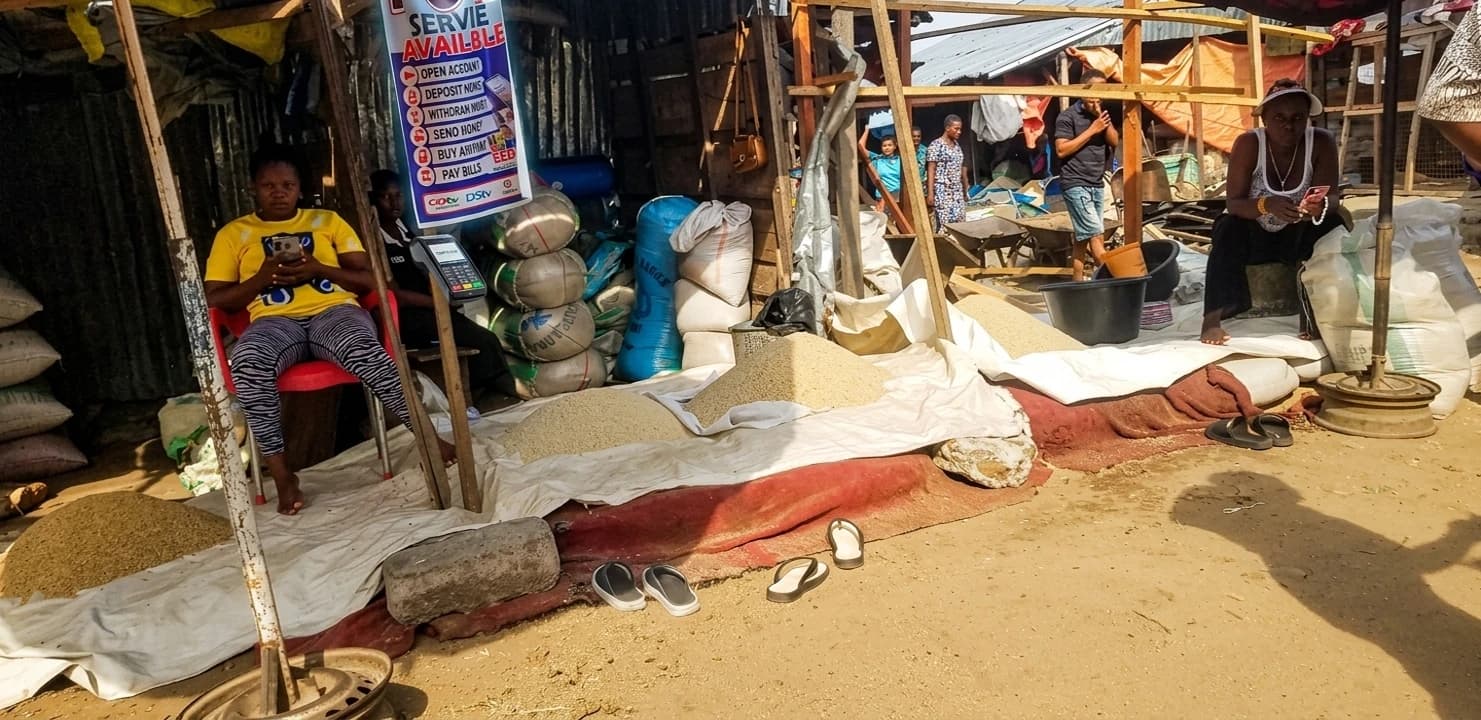
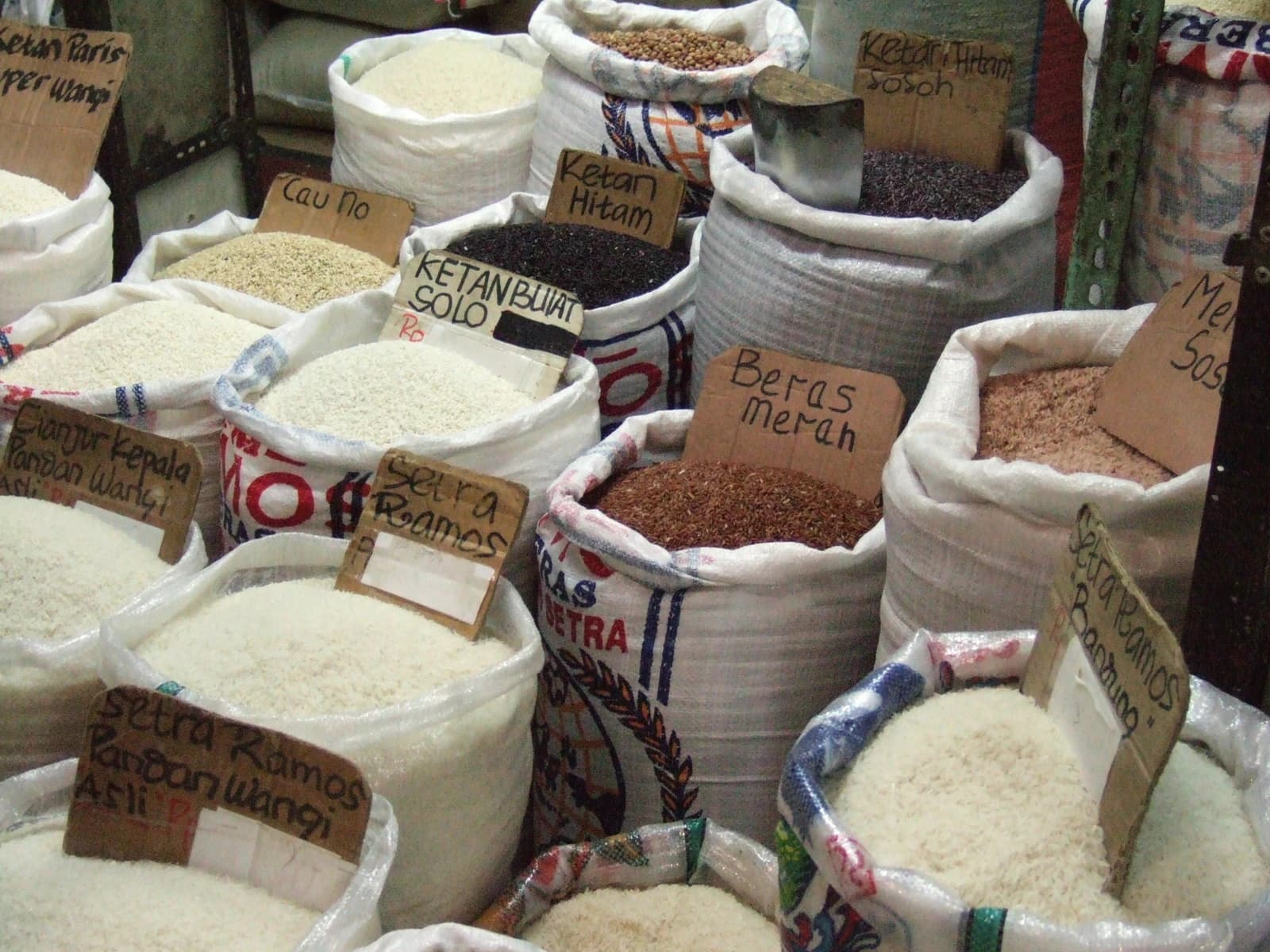
Bandar Lampung’s city government says retail rice prices remain stable even as grain prices at the producer level climb to Rp8,000 a kilogram, a move that matters for household budgets in one of Indonesia’s key provincial markets.
Bandar Lampung Rice Prices Stay Stable as Grain Rises
The city’s trade office said medium rice averages Rp12,414 a kilogram and premium rice Rp16,316 a kilogram, with no meaningful price spike detected since Aug. 18. The effort is important economically because rice is the country’s most sensitive staple, and even small disruptions in grain prices can quickly feed into inflation and consumer spending.
Erwin, head of Bandar Lampung’s trade office, said officials are monitoring food prices through the SIAGABAPOK system and coordinating closely with state logistics agency Bulog to keep supply secure. He said stock under the government’s rice stabilization program, or SPHP, remains sufficient to meet local demand.
The city is also widening market penetration into district-level outlets, selling rice and cooking oil closer to consumers to blunt any pass-through from higher milling costs. That matters for investors and traders because it signals continued government intervention in food distribution, a factor that can cap near-term retail price gains but also pressure margins for traders and mills if wholesale costs keep rising.
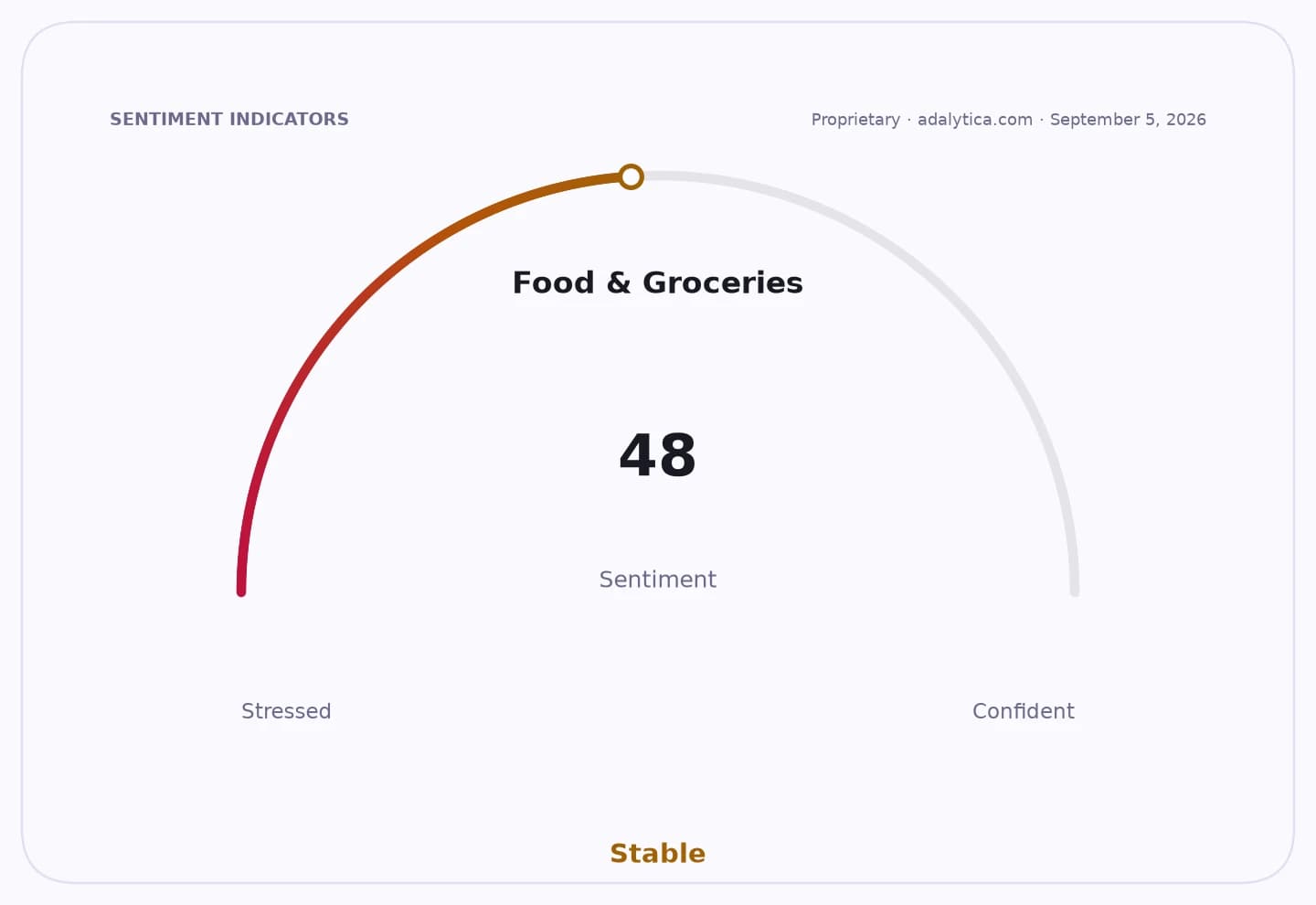
Indonesia’s rice market has been unsettled by shifting supply conditions, with the broader backdrop pointing to volatility in grain prices and a risk of sharper moves as harvest and inventory cycles change. Adalytica’s Food and Grocery Spending Sentiment remains neutral at 48, while CPI sentiment is in extreme fear at 11, underscoring how sensitive the market remains to inflation risks around staples.
For now, Bandar Lampung is betting that tighter monitoring and Bulog coordination will keep rice affordable, but the key risk ahead is whether higher grain costs persist long enough to filter through to retail shelves.
| Entity | Gains | Losses |
|---|---|---|
| Bandar Lampung consumers | ▲Stable rice prices | ▼Higher food inflation risk |
| City government / Bulog | ▲Policy credibility | ▼Pressure to intervene further |
| Traders and rice mills | ▲Clearer supply support | ▼Margin squeeze from higher grain costs |
| Farmers / grain sellers | ▲Higher gabah prices | ▼Potential pushback if retail caps tighten |