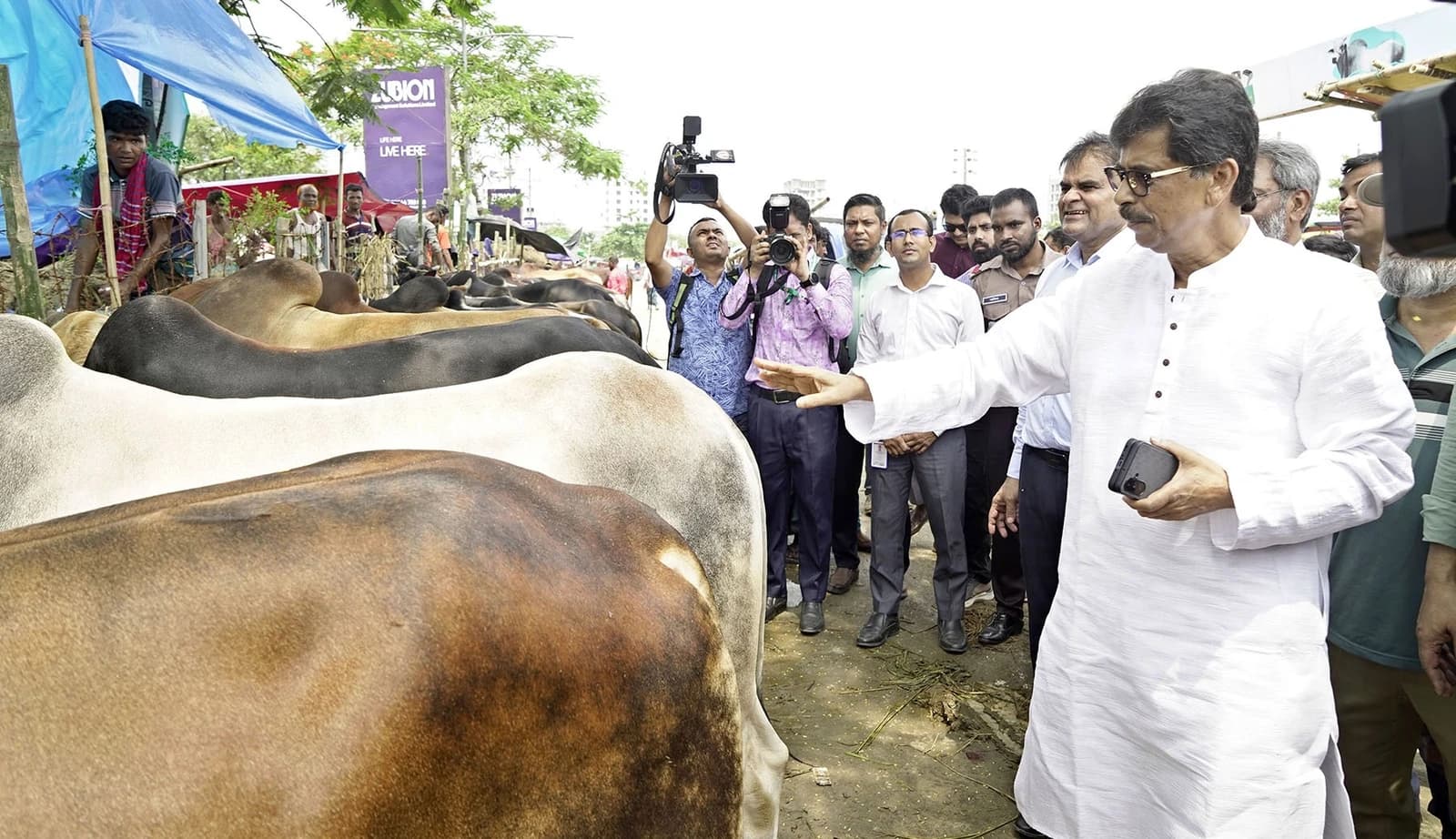
The cattle trade is becoming a high-stakes business in Bangladesh, with a premium animal now priced at 84 lakh taka while feed costs for raising livestock have climbed to 3 crore 67 lakh taka, underscoring how disease risk, theft and logistics shocks are squeezing farmers’ economics.
Bangladesh cattle prices rise as feed costs climb
That matters because livestock prices and feed inflation feed directly into rural incomes, meat costs and household food budgets. When the cost of production rises faster than the value farmers can reliably capture, herd expansion slows, margins narrow and the supply chain becomes more vulnerable to shortages.
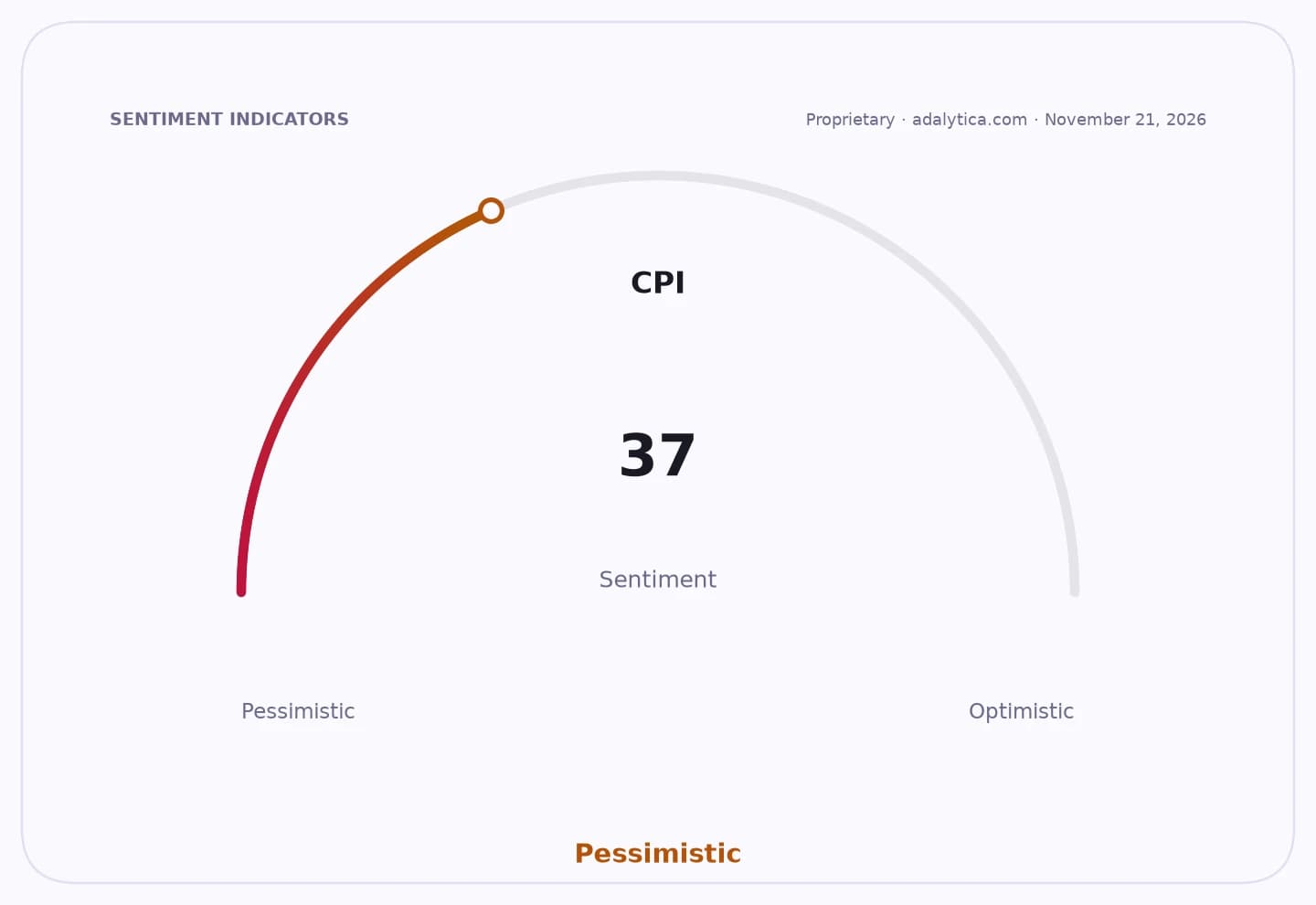
Sentiment Indicators
The backdrop is a livestock sector already dealing with operational strain. Recent reports of cattle theft, attacks on herders and transport hazards are adding to losses, while the World Health Organization’s disclosure of the first human death linked to bird flu after exposure to infected dairy cattle has sharpened concern over animal-health controls and zoonotic risk.
For investors, the story is less about a single cattle transaction than about the broader squeeze on the food economy. Rising livestock input costs can support prices for feed grains and agricultural inputs, while also putting pressure on processors, retailers and consumers if meat supply tightens.
The market backdrop fits that tension. Corn has staged a volatile year, with the grain trading as high as 20.27 and most recently at 17.0, while its 50-day moving average sat at 18.19 and the relative strength index was still below neutral at 38.9, suggesting demand and supply expectations remain in flux. Wheat, tracked by the WEAT fund, has also eased to 21.35 from an earlier 2026 peak near 26.96, leaving input costs lower than their highs but still elevated enough to matter for feed budgets.
Adalytica’s Food and Grocery Spending Sentiment gauge is flashing “Greed” at 82, up 54 points in a week, a sign that consumers may be facing heavier food-price pressure even as suppliers try to protect margins. The immediate watchpoint is whether disease controls, compensation policies and supply-chain security improve fast enough to stabilize cattle economics before higher livestock costs spill further into food inflation.
| Entity | Gains | Losses |
|---|---|---|
| Cattle owners with premium stock | ▲Higher sale values | ▼Higher theft, disease and feed risk |
| Feed suppliers and grain sellers | ▲Steady demand | ▼Margin pressure if herd sizes shrink |
| Meat processors and retailers | ▲Potential pricing power | ▼Cost inflation and supply disruption |
| Consumers and rural households | ▲None | ▼Higher meat and food costs |