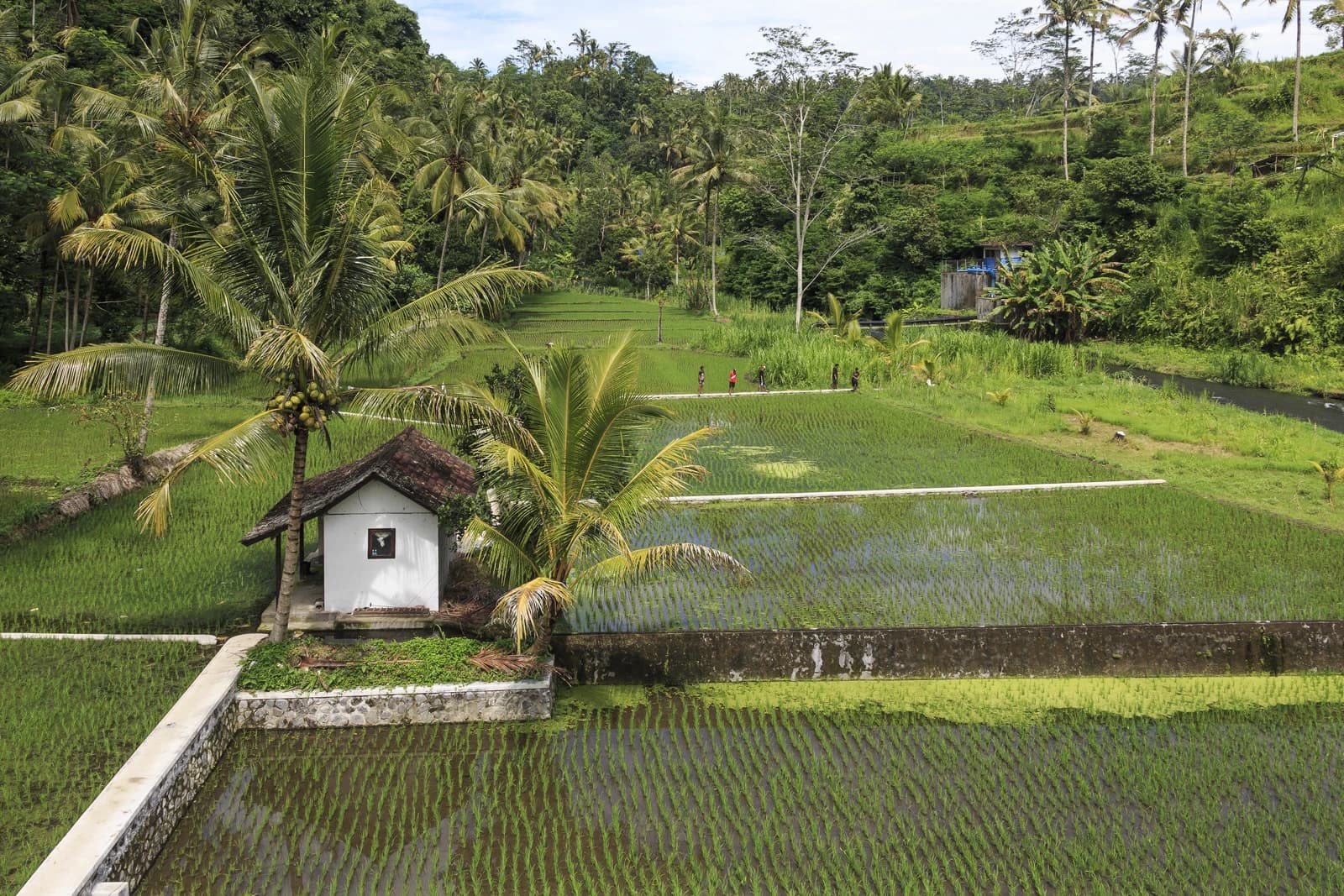
Bangladesh has started distributing an early-maturing rice variety to farmers in its flood-prone haor basin, an agricultural intervention aimed at reducing the annual damage from flash floods that routinely hit the country’s main dry-season rice crop.
Bangladesh rolls out early rice variety in haor basin
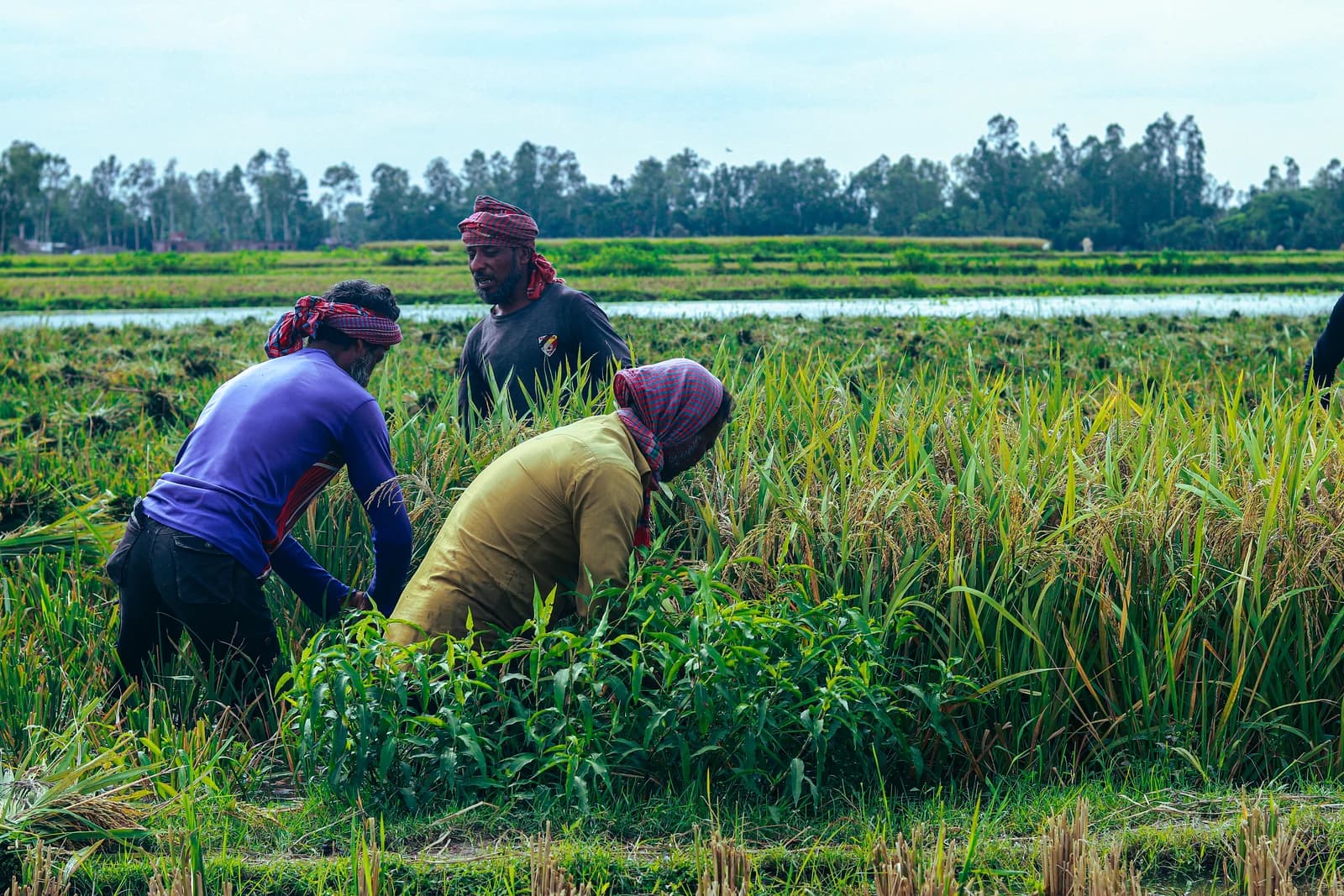
The rollout matters because Boro rice is the backbone of Bangladesh’s food supply, accounting for nearly 55% of annual rice output, and the haor region is especially vulnerable to late-season flooding that can wipe out fields just as crops approach maturity. Agriculture ministry data cited by officials show rains, floods and upstream inflows damaged about Tk 1,047 crore of crops and destroyed more than 49,000 hectares between April 26 and May 4 last year, underscoring how weather risk translates directly into food inflation, farm incomes and import pressure.
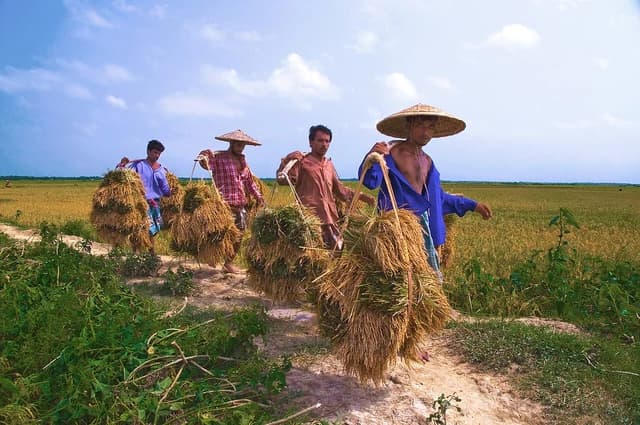
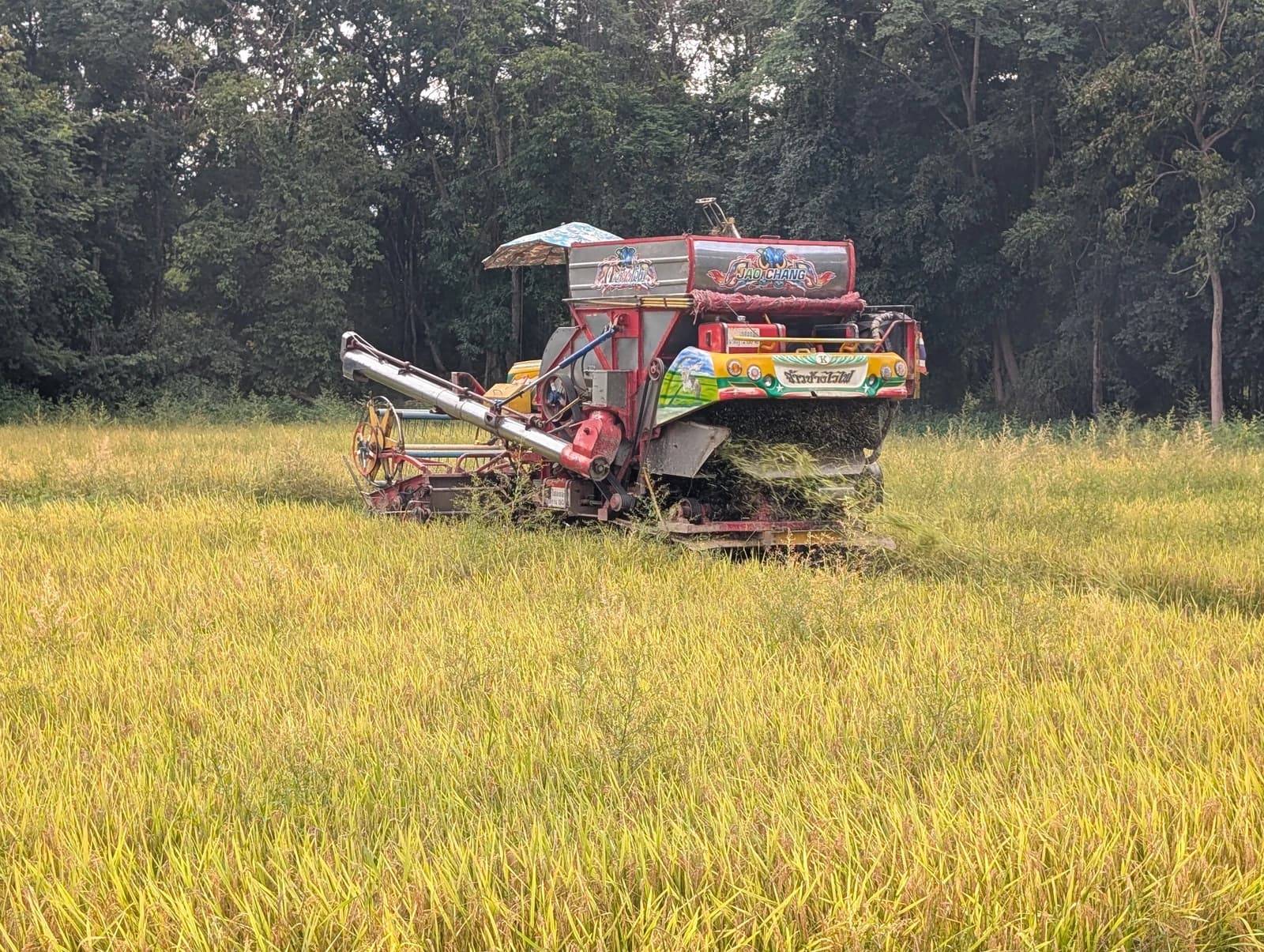
The new variety, BRRI dhan-118, was developed by the Bangladesh Rice Research Institute and can be harvested seven to 10 days earlier than conventional types. Officials say it is also cold-tolerant at the reproductive stage, allowing farmers to plant earlier and still achieve yields of around six tonnes per hectare, with potential output rising to as much as 8.5 tonnes under ideal conditions. In the current Boro season, the agriculture ministry has prepared about 1,600 demonstration plots across seven districts and distributed 30 tonnes of seed.
For investors and policymakers, the significance is less about a single seed variety than about resilience in a critical grain market. Bangladesh is one of the world’s largest rice consumers, and repeated crop losses in the haor basin can force the government to lean more heavily on imports, subsidies and food stock management. Reducing that vulnerability would ease pressure on rural incomes and help limit supply shocks that can feed through to domestic food prices.
The initiative also speaks to a wider global pattern. Weather volatility is increasingly forcing governments to adopt faster-cycle or flood-tolerant crops rather than rely on post-disaster relief alone. In Bangladesh, the economic payoff will depend on whether farmers adopt the variety at scale and whether yields hold up outside demonstration plots. Early signs from farmers in Sunamganj suggest there is demand: one grower said he lost part of his crop last year and is now preparing to switch to the new rice after training from agricultural officers.
The bull case is that wider adoption could cut recurring flood losses, stabilize output and reduce the need for emergency intervention in a region that supplies a large share of the country’s rice. The bear case is that the crop’s gains will be incremental if flooding arrives earlier than expected or if farmers lack access to seed, training and irrigation support. The next test will be whether BRRI dhan-118 can move from demonstration plots to the mainstream planting cycle before the next flood season.
| Entity | Gains | Losses |
|---|---|---|
| Haor farmers | ▲Lower flood losses | ▼Crop damage risk |
| Bangladesh government | ▲More stable rice supply | ▼Import and relief pressure |
| BRRI dhan-118 | ▲Wider adoption prospects | ▼Provenance risk if yields disappoint |
| Rice importers/suppliers | ▲Shorter-term demand risk | ▼Potential demand from crop shortfalls |