Gold prices in Bangladesh have risen again, with the Bangladesh Jewellers Association raising the retail price of 22-carat jewellery to Tk231,297 per ভরি including VAT, a move that will feed directly into household buying costs, wedding budgets and jewellers’ working capital needs.
Bangladesh gold prices rise to Tk231,297 per ভরি
The association said the new rates took effect from 10 a.m. on Friday after a meeting of its price-setting and monitoring committee. The latest increase lifts the price of the highest-grade 22-carat gold by up to Tk2,216 per ভরি from the previous day’s Tk229,081, while 21-carat gold was set at Tk220,916, 18-carat at Tk189,715 and traditional-method gold at Tk154,956 per ভরি.
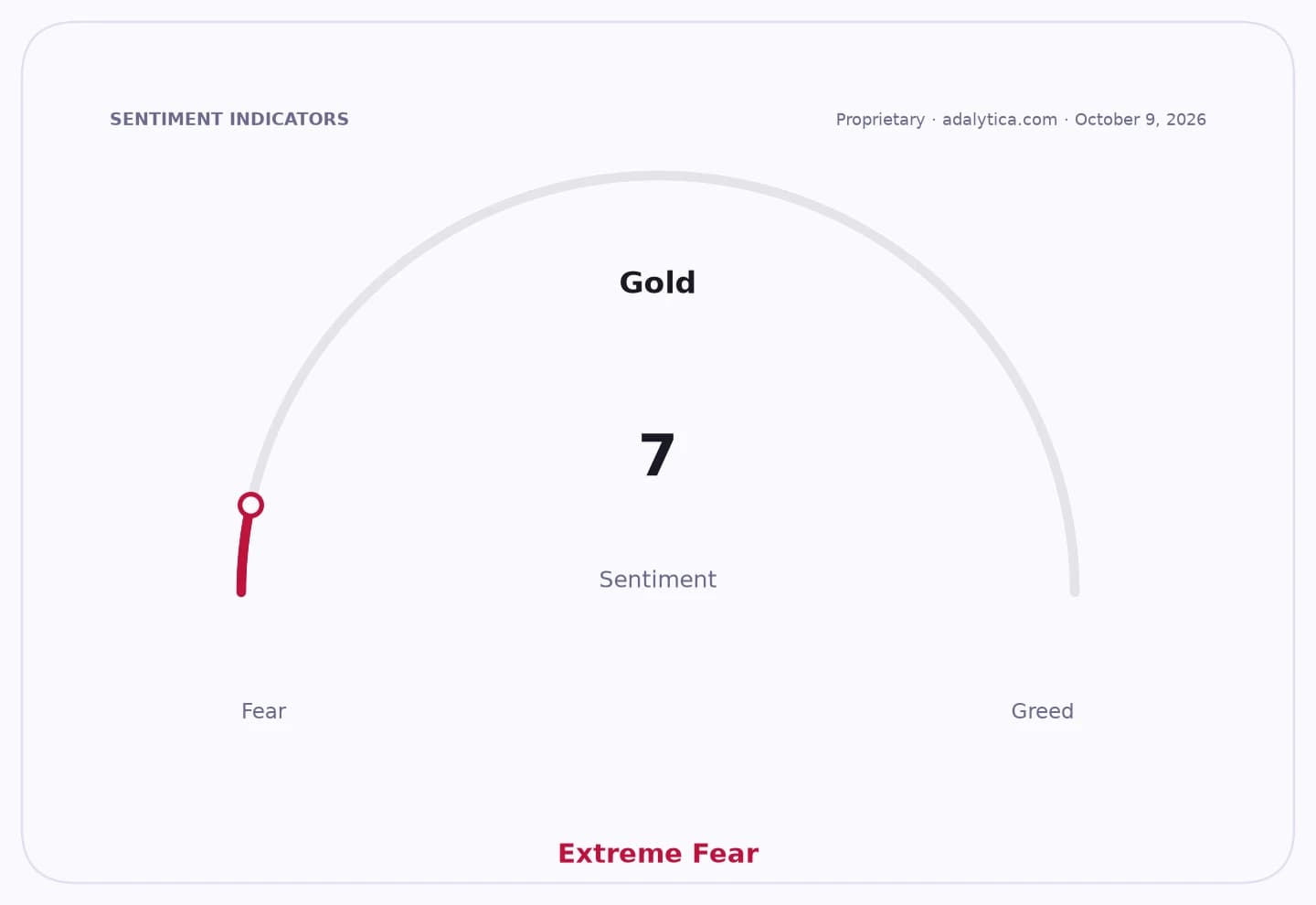
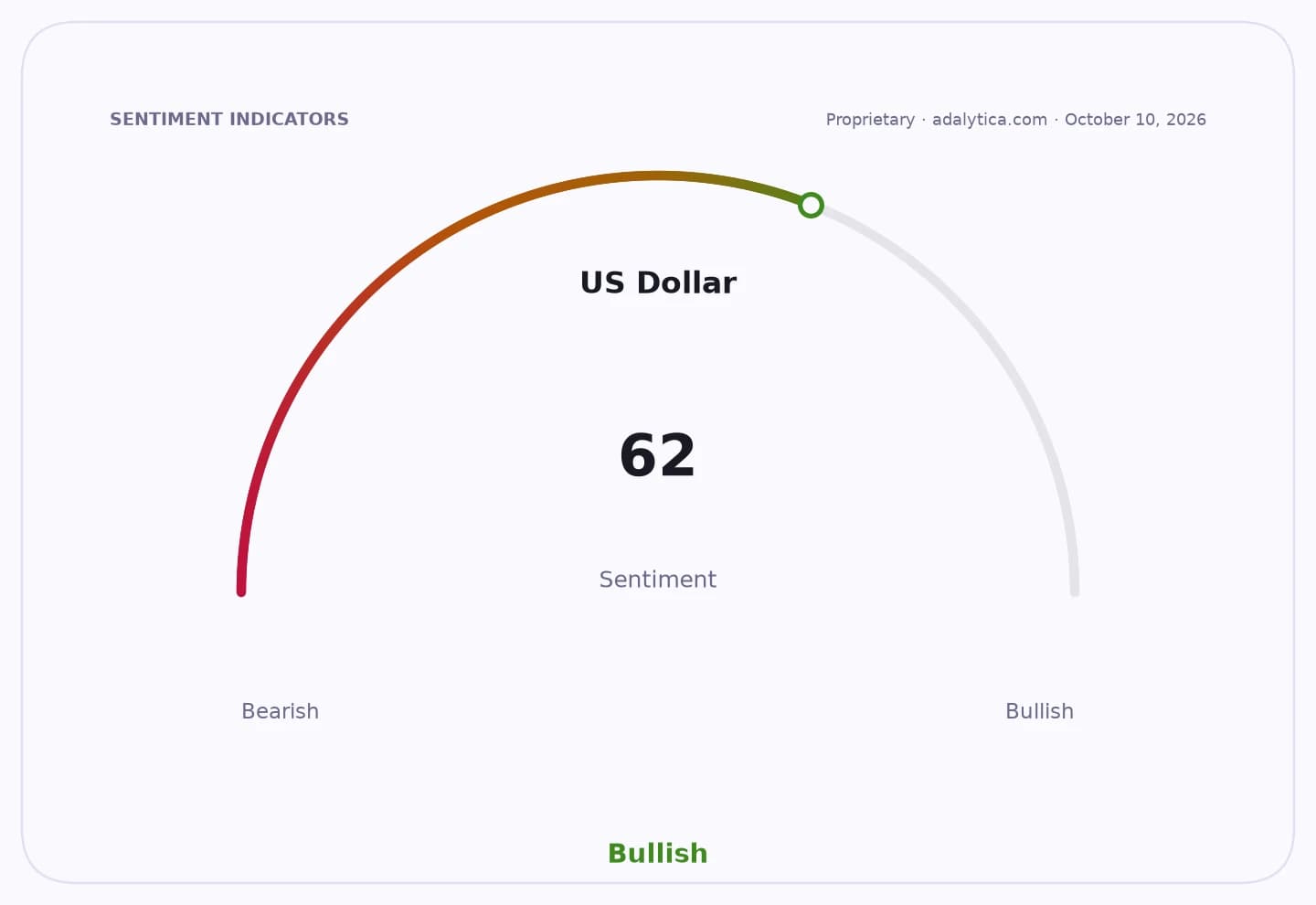
Sentiment IndicatorsⓘProprietary · adalytica.com · October 10, 2026
This is a snapshot — live sentiment, awareness and momentum for 130+ markets update continuously in the dashboard.Open AlphaPulse
The change matters economically because gold is not just a luxury purchase in Bangladesh; it is a savings vehicle, a wedding-related consumption item and a hedge against currency and market stress. A higher local gold price raises the cost of imported bullion-linked jewellery and can restrain discretionary spending at a time when consumers are already sensitive to inflation and financing costs. For jewellers, the adjustment can help preserve margins if inventory was bought at higher replacement prices, but it also risks slowing foot traffic and reducing volumes.
Silver prices were left unchanged, with 22-carat silver at Tk4,316 per ভরি, 21-carat at Tk4,141, 18-carat at Tk3,558 and traditional silver at Tk2,683. That divergence underscores that the immediate pressure is concentrated in gold, not the broader precious-metals market.
Globally, gold has been volatile as investors reassess safe-haven demand and the path of U.S. interest rates. Higher Treasury yields tend to weigh on non-yielding assets such as gold, while any renewed weakness in the dollar or rise in geopolitical risk can lift demand again. Technical signals on the gold ETF GLD also point to a market that has cooled from recent highs, with the fund trading below both its 50-day and 200-day moving averages and RSI readings in the subdued range, suggesting momentum has weakened even after a modest rebound. Adalytica’s Gold Fear & Greed Index remained in neutral territory, indicating caution rather than outright panic.
For investors and traders, the key issue is whether Bangladesh’s price increase is the start of a broader domestic repricing cycle or just a pass-through of short-term international moves. If global gold stabilises or strengthens, local jewellery prices may remain elevated and support trading interest in gold-related businesses. If external prices soften, retailers could face margin compression and weaker demand. Either way, the move reinforces gold’s role in South Asian markets as both a consumption good and a macro hedge, with local pricing still closely tied to global bullion trends and currency dynamics.
| Entity | Gains | Losses |
|---|---|---|
| Bangladeshi jewellers | ▲Better pricing on inventory | ▼Lower retail demand |
| Gold holders | ▲Higher asset value | ▼New buyers and gift purchasers |
| Consumers buying jewellery | ▲— | ▼Higher purchase costs |
| Global gold bulls | ▲Higher local price support | ▼Short-term volatility risk |