Enclaves and exclaves are moving from cartographic oddities to strategic choke points, with access corridors now shaping security risks, trade flows and diplomatic leverage from the Baltic to the Caucasus and the Balkans.
Kaliningrad, Zangezur, and Corridor Politics
That matters because in a world of sanctions, border militarization and fragmented supply chains, a territory disconnected from its main state can function only as long as its neighbors permit transit. Control of roads, rail links, pipelines and airspace is increasingly the real measure of sovereignty, and the choke points are where that sovereignty is most vulnerable.
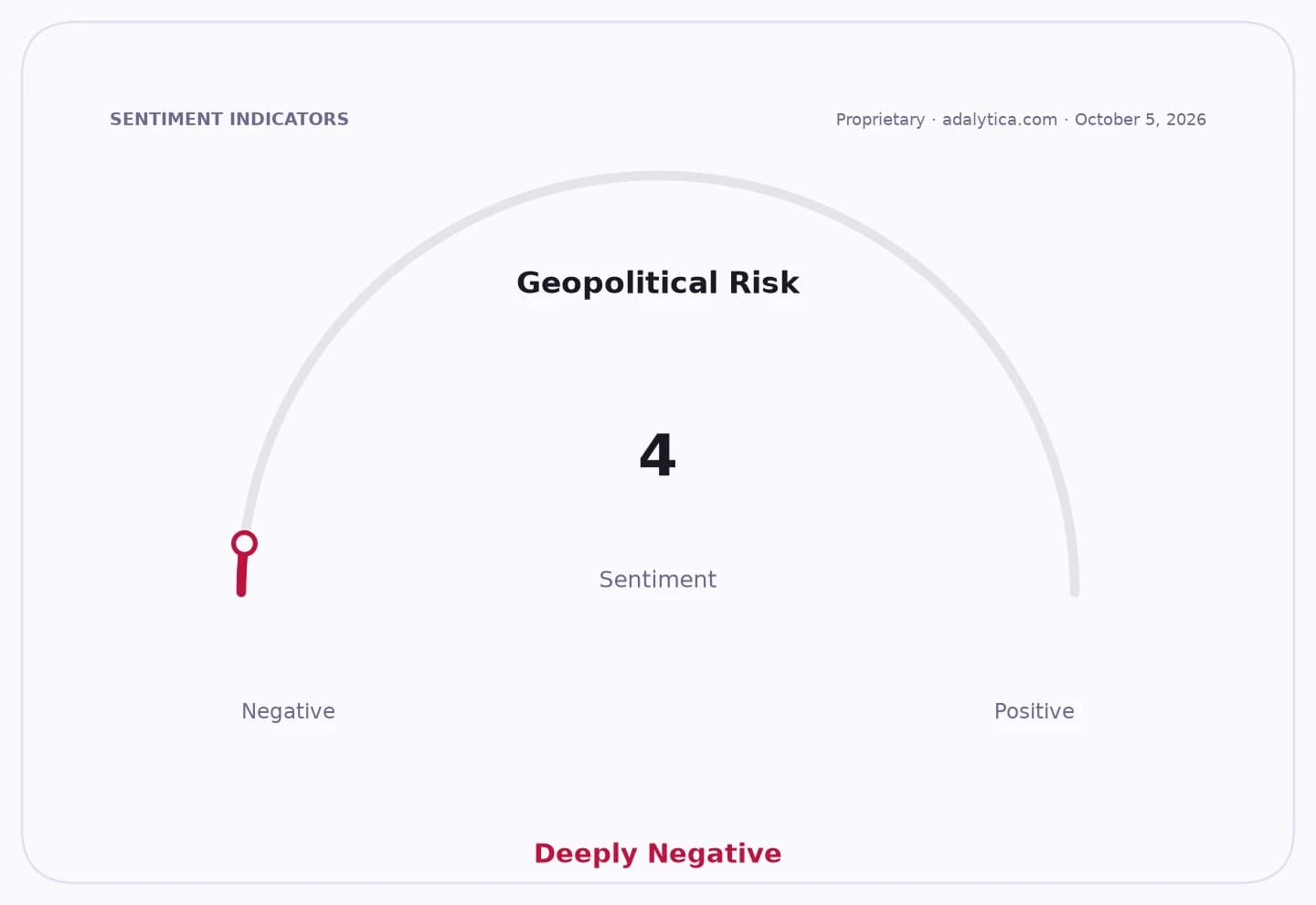
Sentiment IndicatorsⓘProprietary · adalytica.com · October 10, 2026
This is a snapshot — live sentiment, awareness and momentum for 130+ markets update continuously in the dashboard.Open AlphaPulse
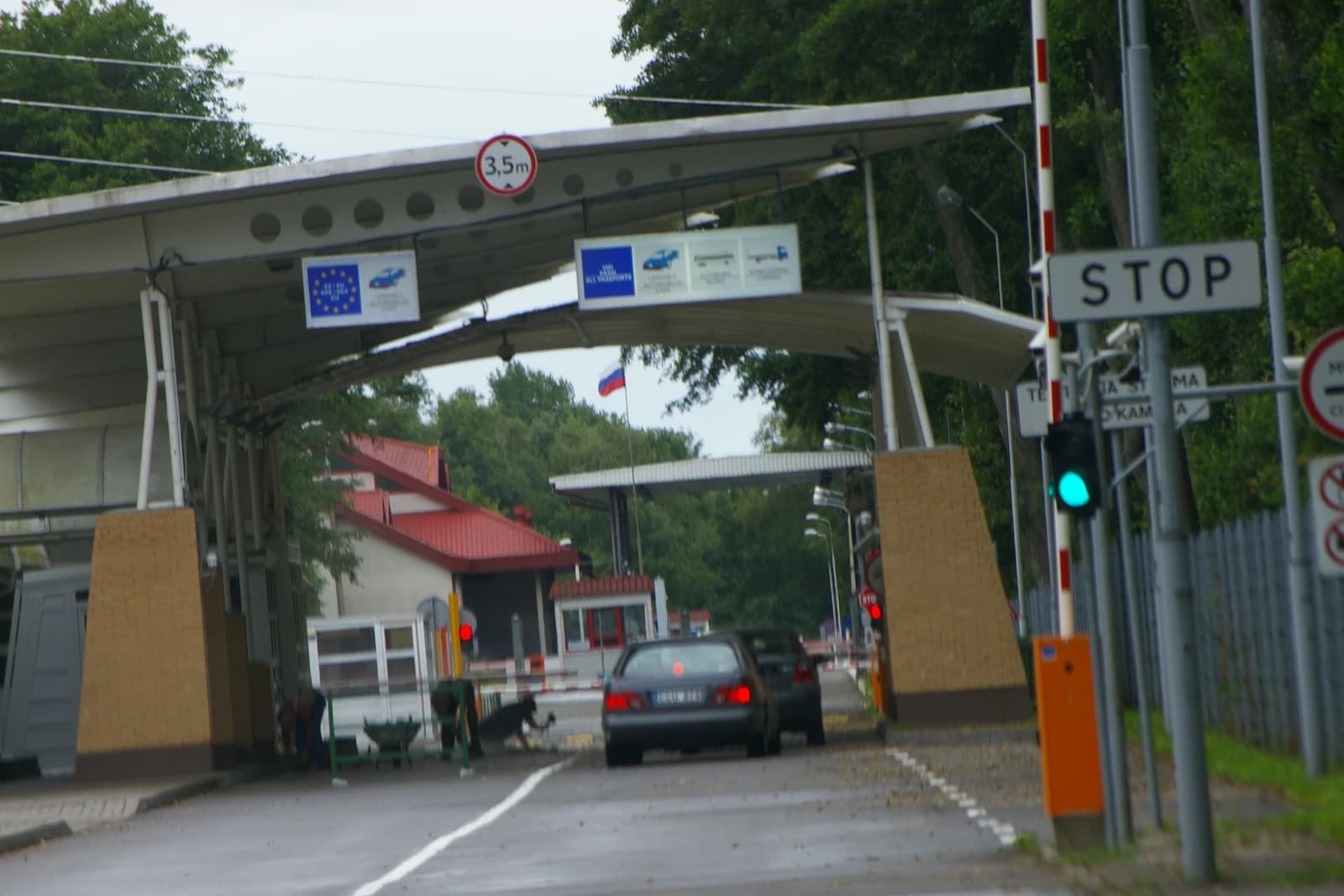
The clearest example is Russia’s Kaliningrad exclave, wedged between Poland and Lithuania and home to the Baltic Fleet, missiles with nuclear capability and air-defense systems. The 65-kilometer Suwałki Gap between Poland and Lithuania remains NATO’s most exposed land corridor in Europe, and disputes over Lithuanian rail restrictions on sanctioned goods have shown how logistics around an exclave can quickly become a broader security crisis.
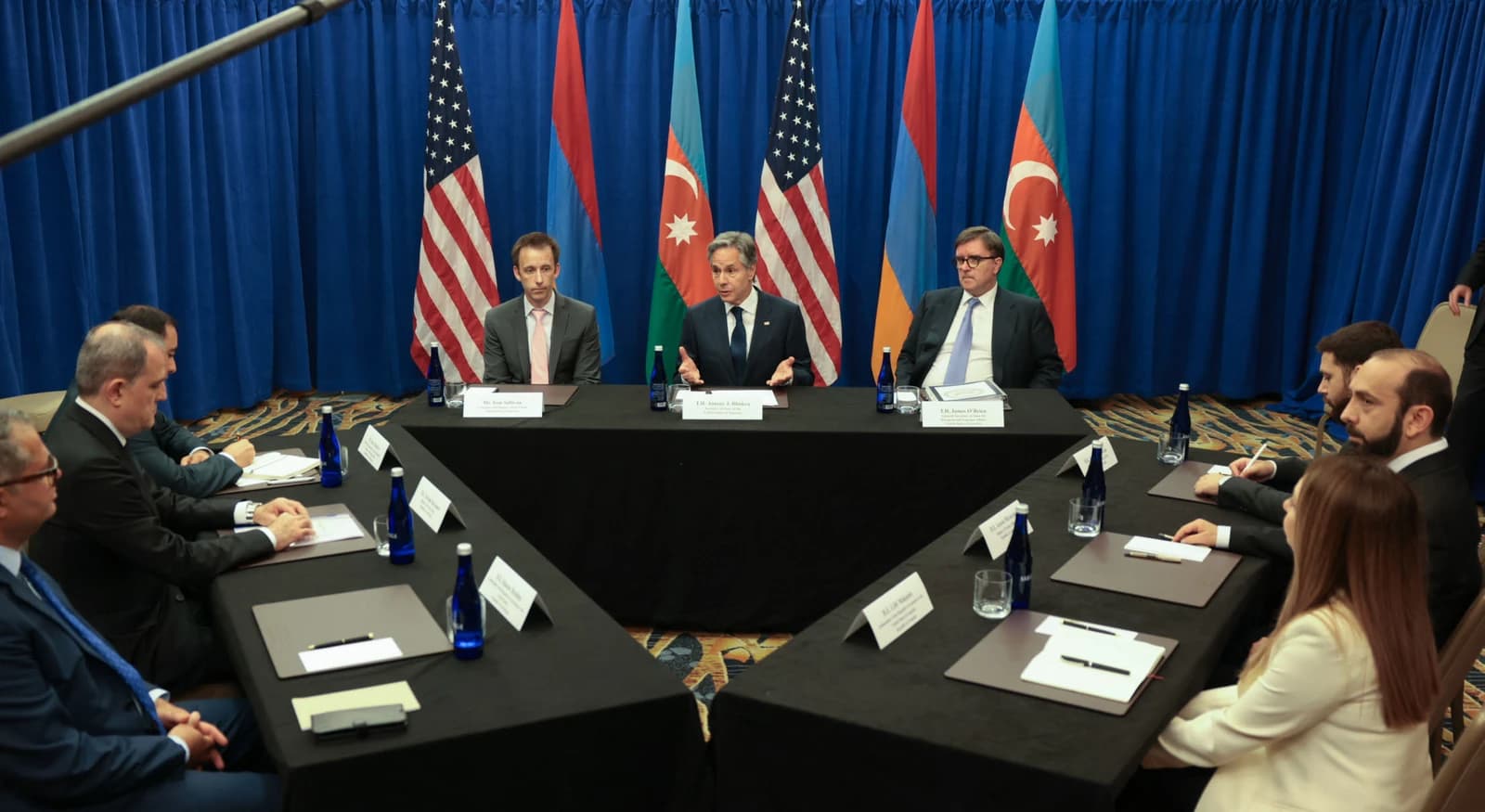
The same logic drives the South Caucasus, where Azerbaijan’s push for the so-called Zangezur Corridor through Armenia’s Syunik region would link mainland Azerbaijan to its Nakhchivan exclave and on to Turkey. For Baku and Ankara, it is a connectivity project; for Yerevan and Tehran, it risks altering regional trade routes and cutting Armenia off from its southern border with Iran.
In Central Asia, Soviet-era borders left a dense patchwork in the Fergana Valley, where enclaves such as Vorukh and Sokh are surrounded by another state’s checkpoints and security forces. Day-to-day disputes over goods transit, power lines, grazing land and irrigation canals have repeatedly escalated into border shootings, underscoring how infrastructure access can turn local friction into armed confrontation.
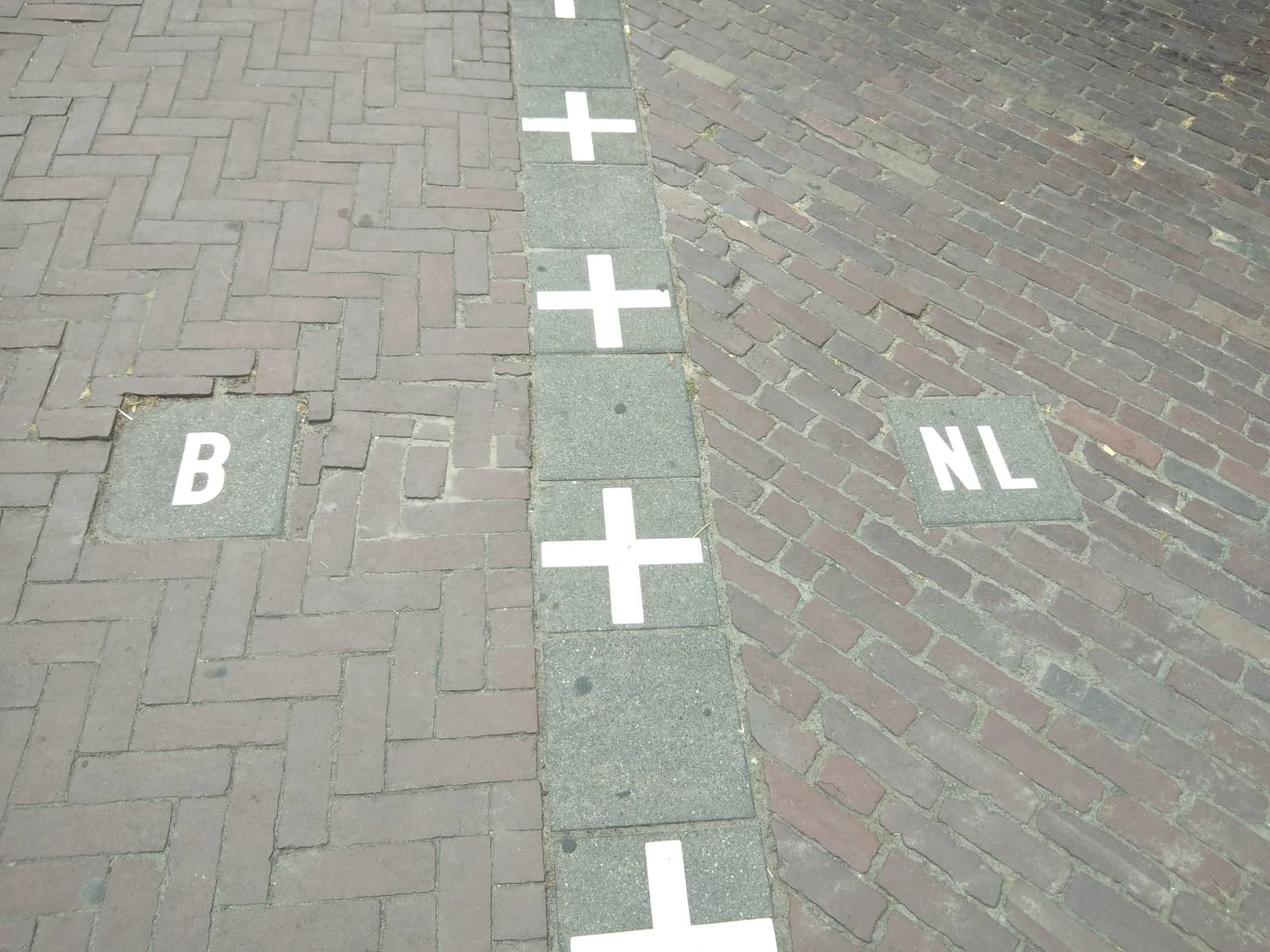
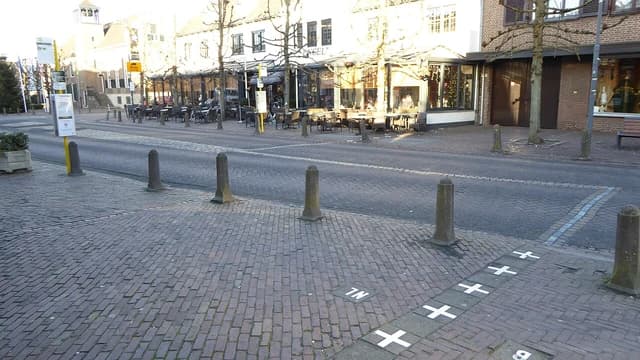
Europe’s southern edge shows the same pattern in a softer form. Morocco’s pressure on Spain’s Ceuta and Melilla through unilateral customs closures demonstrates how trade access can be used as diplomatic coercion, while Baarle-Hertog and Baarle-Nassau show that only deep European integration has muted the legal and administrative chaos that enclaves typically create.
For investors, the narrative is less about borders than bottlenecks. Corridor politics can affect energy transit, freight costs, sanctions enforcement, defense spending and regional growth, especially where rail and pipeline routes intersect with geopolitical rivalry. Adalytica’s Global Stability Sentiment gauge sits at 98, or “Extreme Greed,” even as transport corridors from the Baltic to the Balkans gain strategic importance and the upcoming Sofia conference puts Corridor 8 and the Middle Corridor in focus as trade and energy arteries.
The implication is that enclave disputes will keep resurfacing wherever infrastructure is scarce and sovereignty is contested. Any new corridor deal, border closure or transit restriction can quickly shift from a local administrative issue to a market-moving geopolitical event.
| Entity | Gains | Losses |
|---|---|---|
| Transit corridor states | ▲leverage over routes | ▼pressure from neighbors |
| Enclaves and exclaves | ▲access if corridors open | ▼isolation if routes close |
| Defense contractors | ▲higher security demand | ▼— |
| Regional traders and shippers | ▲shorter links if built | ▼delays and higher costs |