Bank Aladin Syariah is widening its access to short-term funding as it adds new sharia interbank transaction partners in both rupiah and US dollars, a move that should make the lender more flexible in managing liquidity and supporting growth without taking on undue balance-sheet strain.
Bank Aladin adds sharia interbank liquidity partners
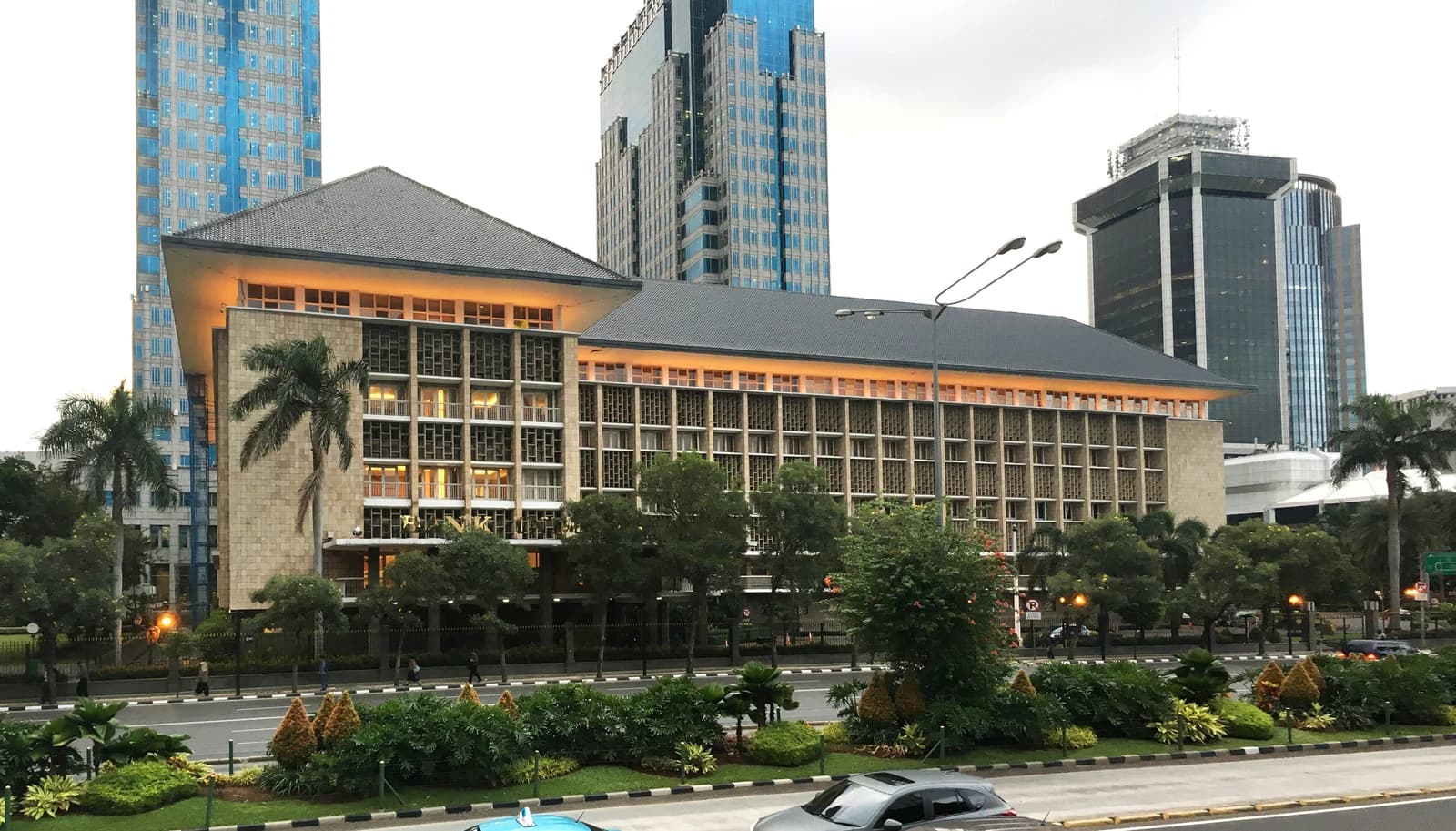
The Indonesian digital lender signed a sharia-compliant interbank liquidity agreement, known as SIPA, with Bank Syariah Indonesia, OCBC Syariah and Maybank Syariah during the Indonesia Sharia Economic Festival. Under the pact, transactions with BSI will be conducted in US dollars, while deals with OCBC Syariah and Maybank Syariah will be in rupiah.
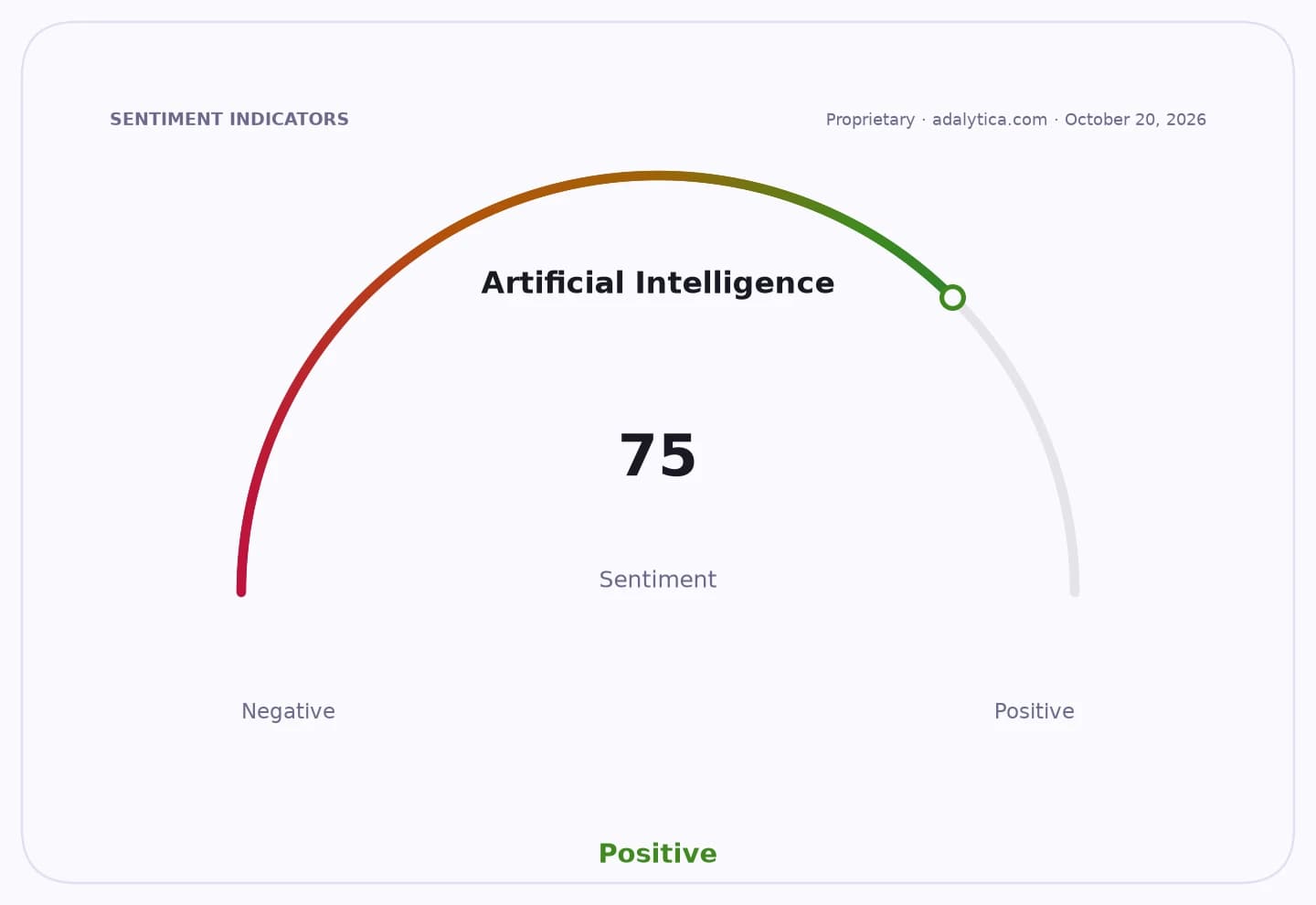
Sentiment IndicatorsⓘProprietary · adalytica.com · October 20, 2026
This is a snapshot — live sentiment, awareness and momentum for 130+ markets update continuously in the dashboard.Open AlphaPulse
That matters because liquidity is the lifeblood of any bank, and even more so for a fast-growing digital sharia lender that needs to fund loan growth, manage cash flows and stay disciplined on risk. By broadening its network of counterparties, Bank Aladin is reducing reliance on a narrower funding base and building more room to maneuver if market conditions tighten.
For investors, the bigger story is not the individual transaction but the institutional signal. The sharia money market is becoming more usable as a tool for day-to-day treasury management, which can improve resilience across the sector. That is especially important in Indonesia, where the Islamic finance ecosystem is still developing and where deeper interbank plumbing can support healthier growth in deposits, financing and fee income over time.
Bank Aladin said the new arrangement follows earlier sharia interbank ties with Bank Syariah Nasional and BCA Syariah in April, suggesting a deliberate push to make treasury operations more diversified and scalable. The company framed the move as part of a broader effort to support sustainable growth, prudent risk management and stronger service quality.
The economic case is straightforward: better liquidity channels help banks allocate capital more efficiently, while the availability of both rupiah and dollar instruments can improve flexibility in cross-currency cash management. In a market where funding costs can shift quickly, that flexibility can be a real competitive advantage.
For shareholders, the long-term appeal lies in execution. If Bank Aladin can pair its digital growth strategy with a sturdier liquidity toolkit, it may be able to expand without sacrificing balance-sheet quality. That is the kind of discipline investors tend to reward over time, especially in financial stocks where compounding depends as much on risk control as on loan growth.
| Entity | Gains | Losses |
|---|---|---|
| Bank Aladin Syariah | ▲Wider liquidity access | ▼Funding concentration risk |
| BSI | ▲More USD transaction flow | ▼More balance-sheet deployment |
| OCBC Syariah & Maybank Syariah | ▲Higher interbank activity | ▼More competitive pressure |
| Sharia banking sector | ▲Deeper market infrastructure | ▼Less room for fragmented liquidity |