Corporate borrowers are turning back to banks as higher Treasury yields and wider high-yield spreads make the bond market more expensive, giving large lenders fresh loan demand and improving the case for commercial lending growth.
Banks Gain as Corporate Borrowers Shun Bonds
The shift matters because funding costs have moved up across credit markets. The 10-year U.S. Treasury yield is near 4.56%, while two-year notes are around 4.12%, keeping benchmark borrowing costs elevated for companies that would otherwise tap the debt market. At the same time, the high-yield credit spread sits near 272 basis points, showing investors are still demanding a premium to hold lower-rated debt.
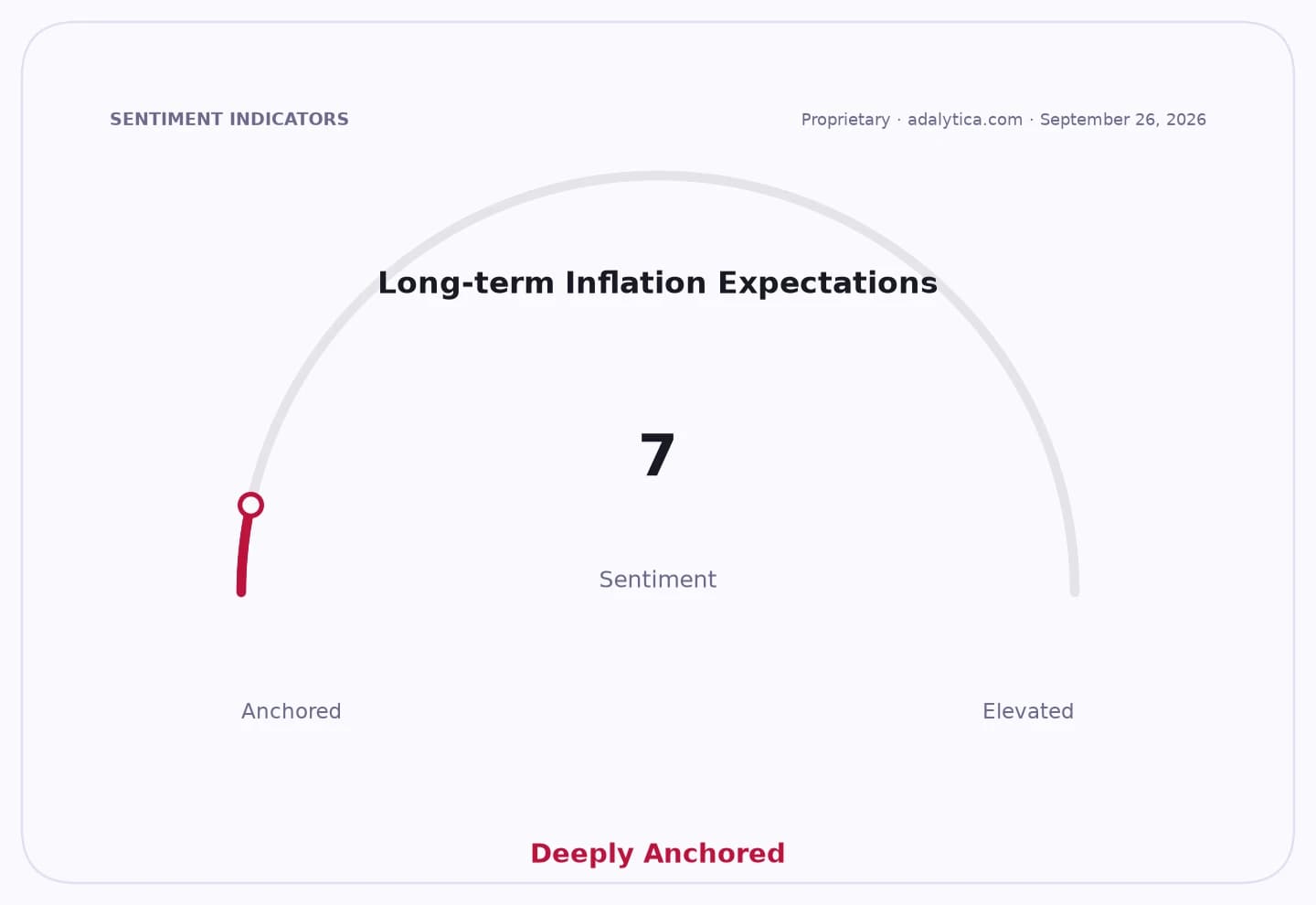
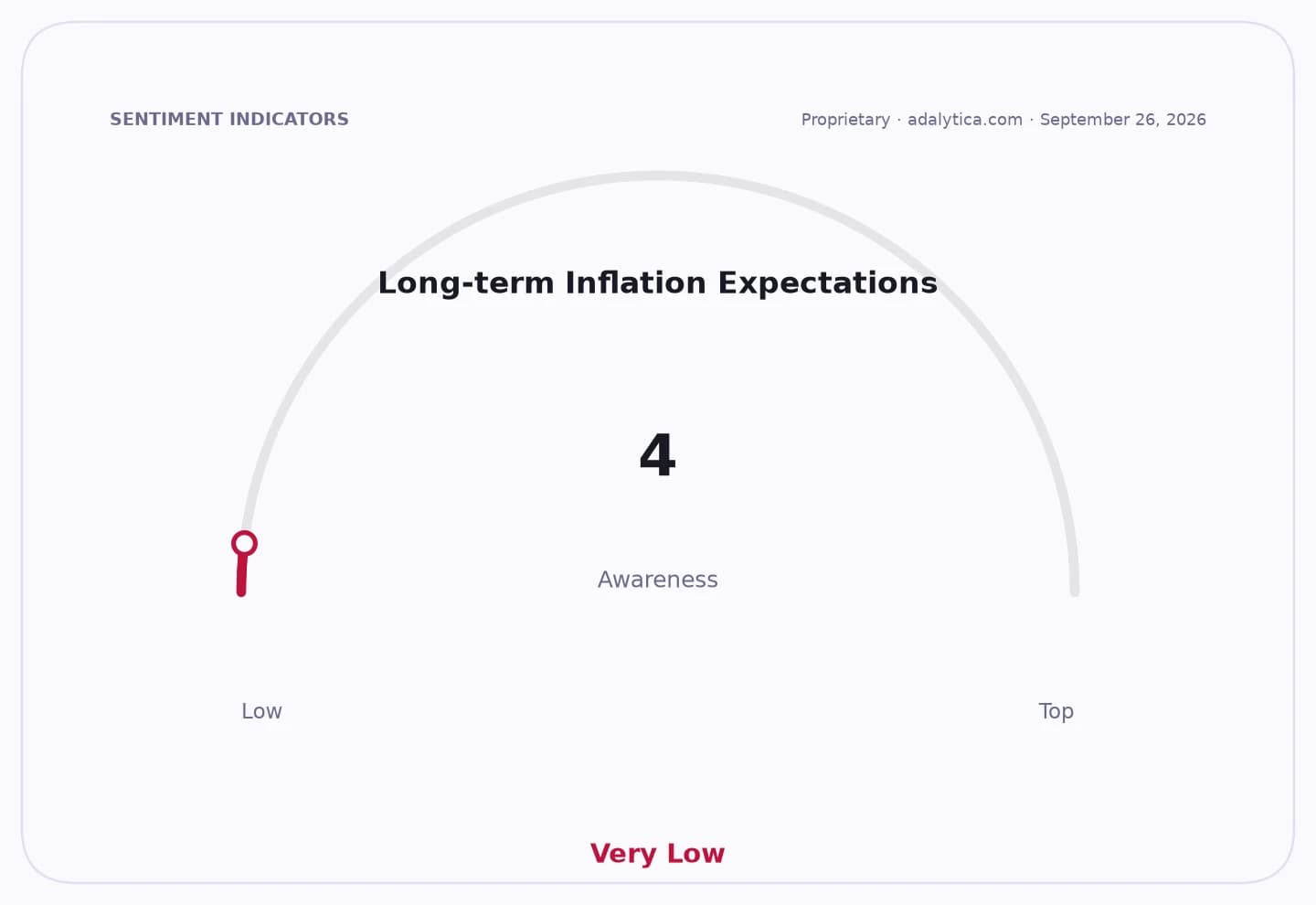
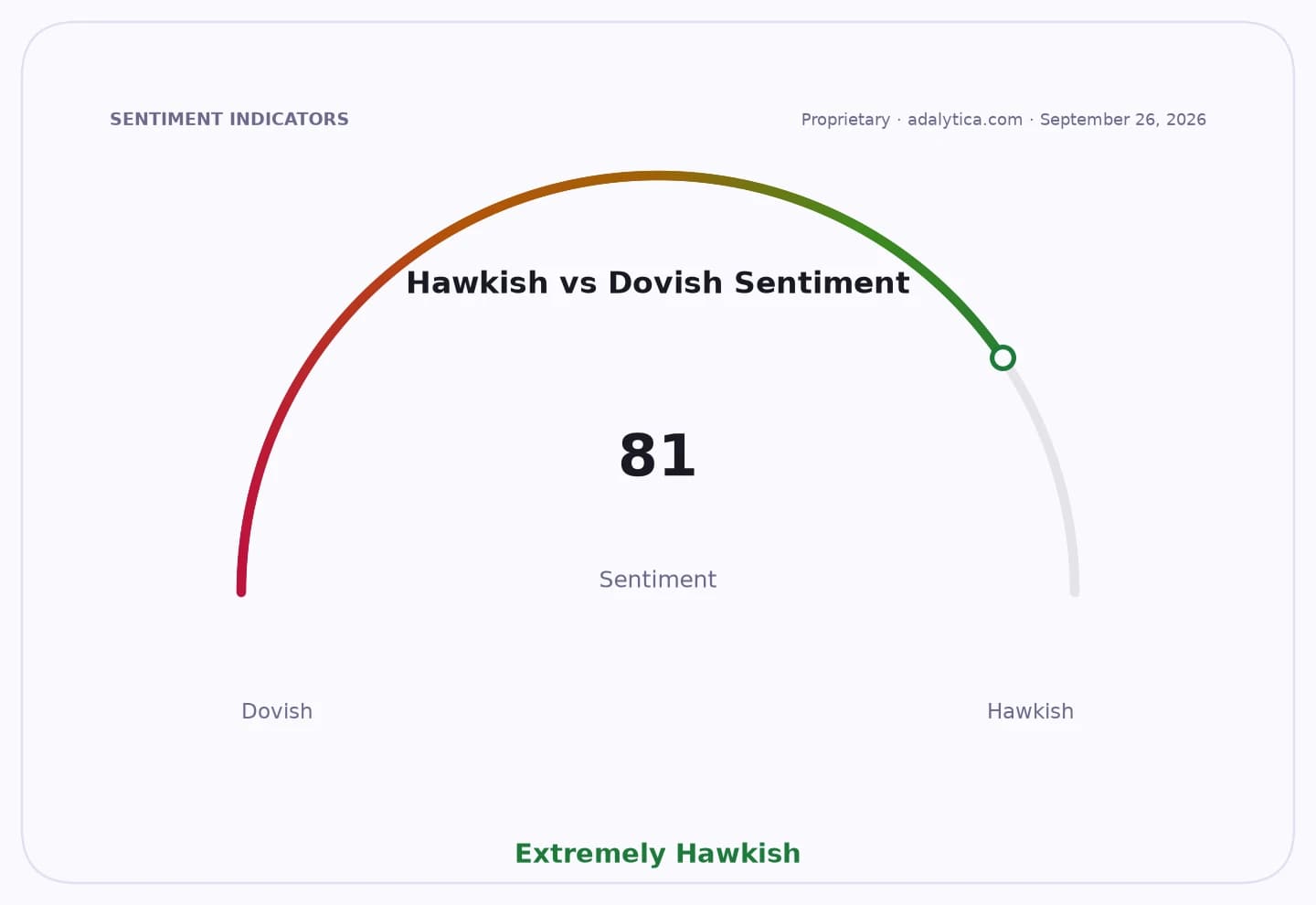
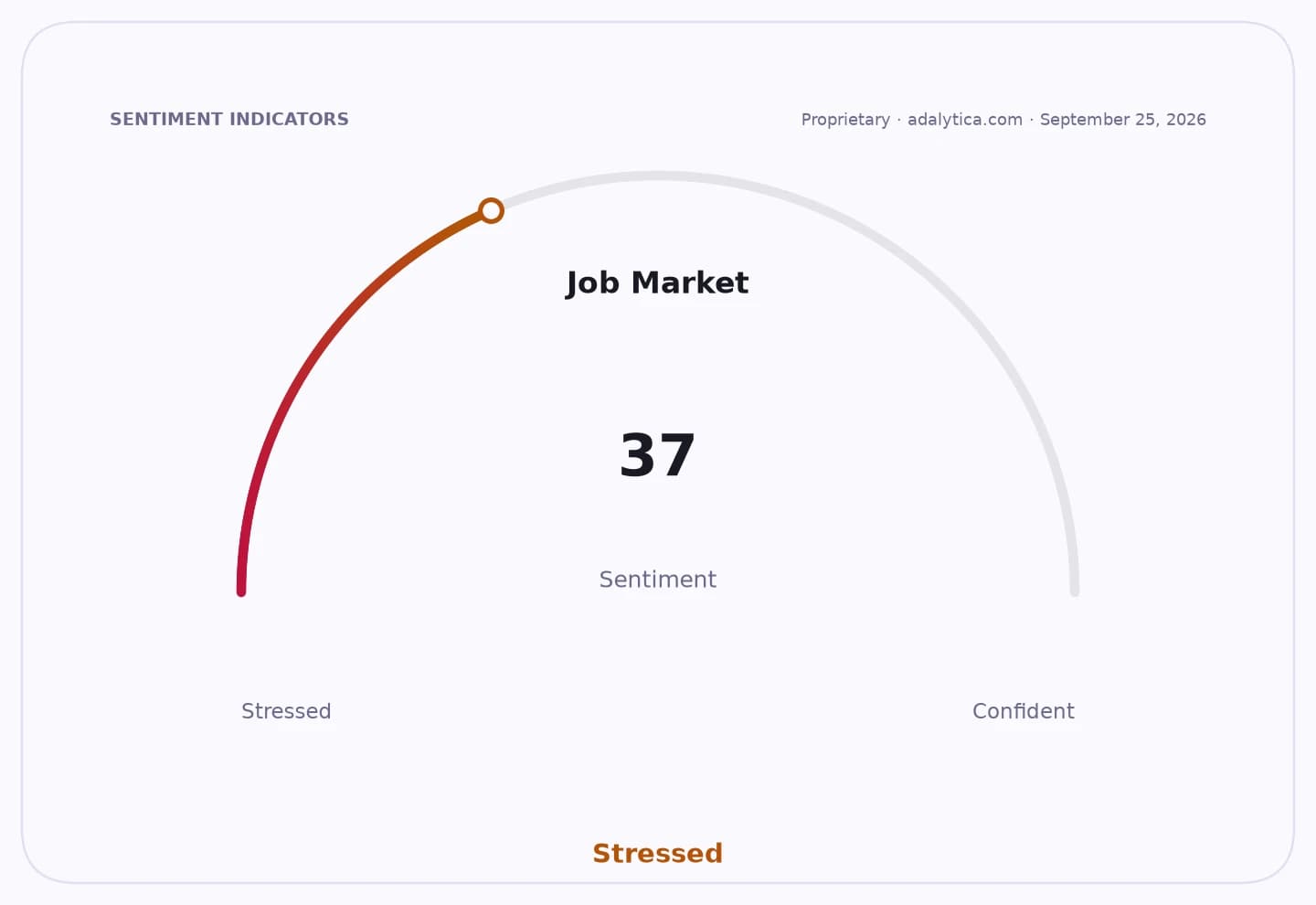
Sentiment IndicatorsⓘProprietary · adalytica.com · July 19, 2026
This is a snapshot — live sentiment, awareness and momentum for 130+ markets update continuously in the dashboard.Open AlphaPulse
That backdrop is feeding directly into bank pipelines. Private banks say corporate clients are increasingly weighing revolving credit lines and term loans against pricier bond issuance, a reversal from periods when capital markets financing was cheaper and faster. For lenders, that can support loan balances, fee income and utilization rates even if deposit pricing stays competitive.
The move also underscores how sensitive corporate financing decisions remain to rate levels. JPMorgan Chase and Bank of America, the two largest U.S. banks by assets, have both seen their shares strengthen over the past week, with JPMorgan closing at $341.10 and Bank of America at $61.27 on Friday, as investors continue to favor lenders with diversified balance sheets and strong commercial banking franchises. Wells Fargo, which closed at $87.51, is also tracking higher, reinforcing the view that banks with deeper corporate relationships stand to capture more demand if bond markets stay costly.
For investors, the implications cut both ways. Higher loan demand can bolster net interest income and deepen client relationships, but it also reflects a borrowing environment where companies are trying to manage cost pressure rather than expanding aggressively. That makes credit quality and underwriting discipline more important if refinancing demand grows alongside slower economic activity.
The broader macro picture still leans on the side of tight financing conditions. Treasury yields remain well above the levels that prevailed for much of the post-pandemic period, while fear gauges across equities have turned more cautious and bond sentiment remains mixed. If rates stay elevated, banks could keep winning share from the bond market, but the next test will be whether that demand translates into durable loan growth rather than just short-term refinancing.
| Entity | Gains | Losses |
|---|---|---|
| Private banks | ▲More corporate loan demand | ▼Bond underwriting volumes |
| JPMorgan Chase, Bank of America, Wells Fargo | ▲Higher lending income potential | ▼Pressure to compete on pricing |
| Corporate borrowers | ▲Bank credit access | ▼Higher overall funding costs |
| High-yield bond investors/issuers | ▲--- | ▼Wider spreads, pricier debt |