Baoxing, the birthplace of China’s giant panda legacy in Sichuan, is remaking its economy around conservation, tourism and heritage as the old growth model of mining, logging and small hydropower gives way to a greener one.
Baoxing tourism grows as panda park expands
That shift matters because it captures a broader Chinese development pivot: the country is trading short-term resource extraction for protected ecosystems and service-sector growth in places once dependent on heavy industry. For investors, it is a reminder that China’s next phase of expansion is increasingly about domestic travel, rural consumption and environmental infrastructure, not just factory output and commodity demand.
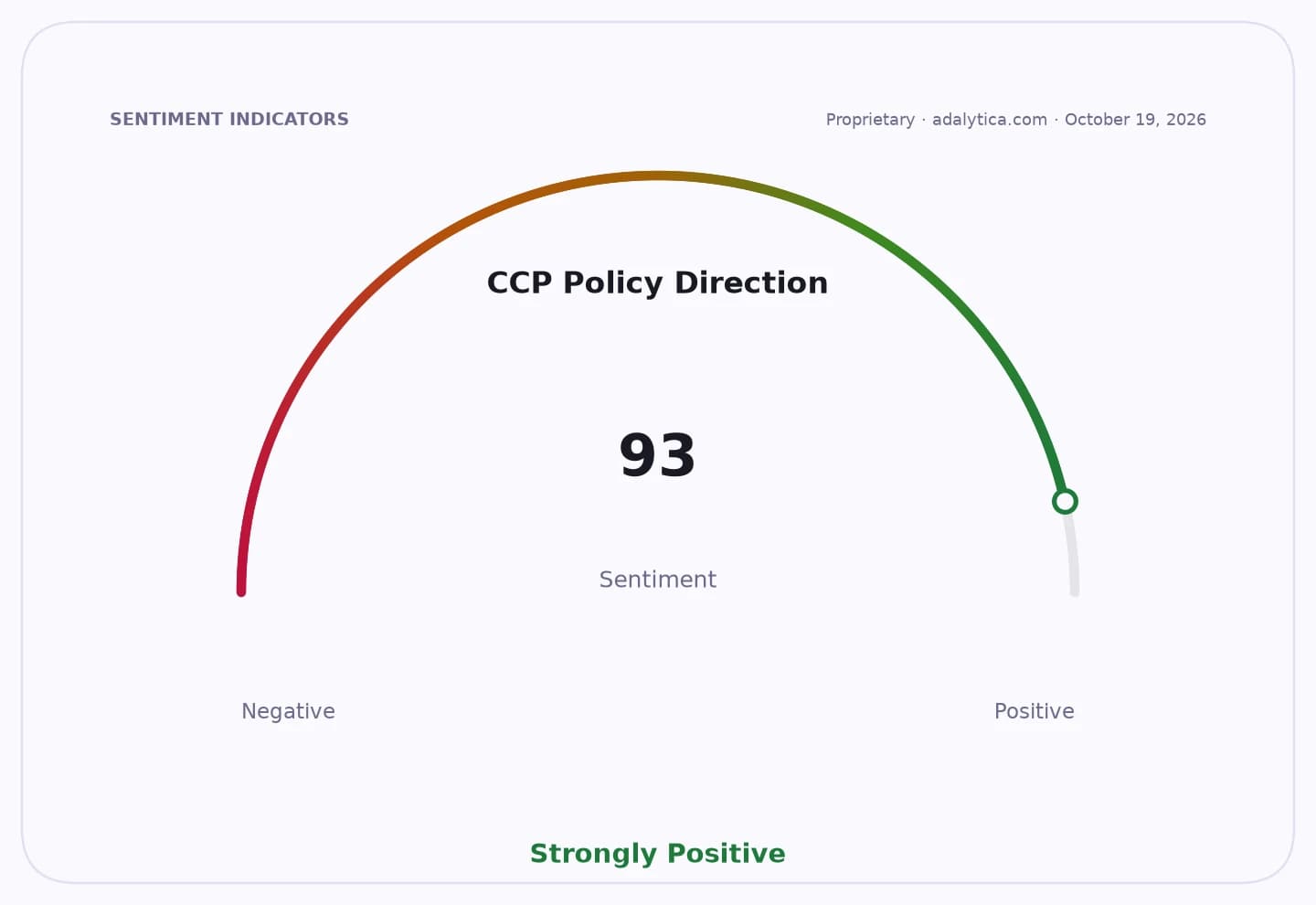
Sentiment Indicators

The change in Baoxing has been forced by policy as much as by choice. China’s 1998 ban on commercial logging in natural forests along the upper Yangtze marked a turning point, and the later expansion of the Giant Panda National Park left more than 80% of Baoxing’s territory inside protected boundaries. Nearly 40% of Ya’an, the prefecture-level city overseeing the county, is now within the park, constraining mines and hydropower projects that once anchored local income.
What replaced them is a tourism economy built around one of China’s strongest global brands. Local authorities say Baoxing received 4.63 million tourist visits in 2025, up 10.28% from a year earlier, while tourism revenue rose 10.41% to 4.09 billion yuan, or about $608.7 million. That is not just a lifestyle change for villagers; it is a reallocation of capital and labor away from resource depletion and toward hospitality, transport and cultural spending.

The shift is visible in household economics. One local resident who once made 60,000 to 70,000 yuan a year hauling marble now runs a guesthouse and says his family income has topped 100,000 yuan annually. That kind of income step-up is the real story behind China’s “high-quality development” push: lower-pollution businesses, but also more stable cash flows for rural households.
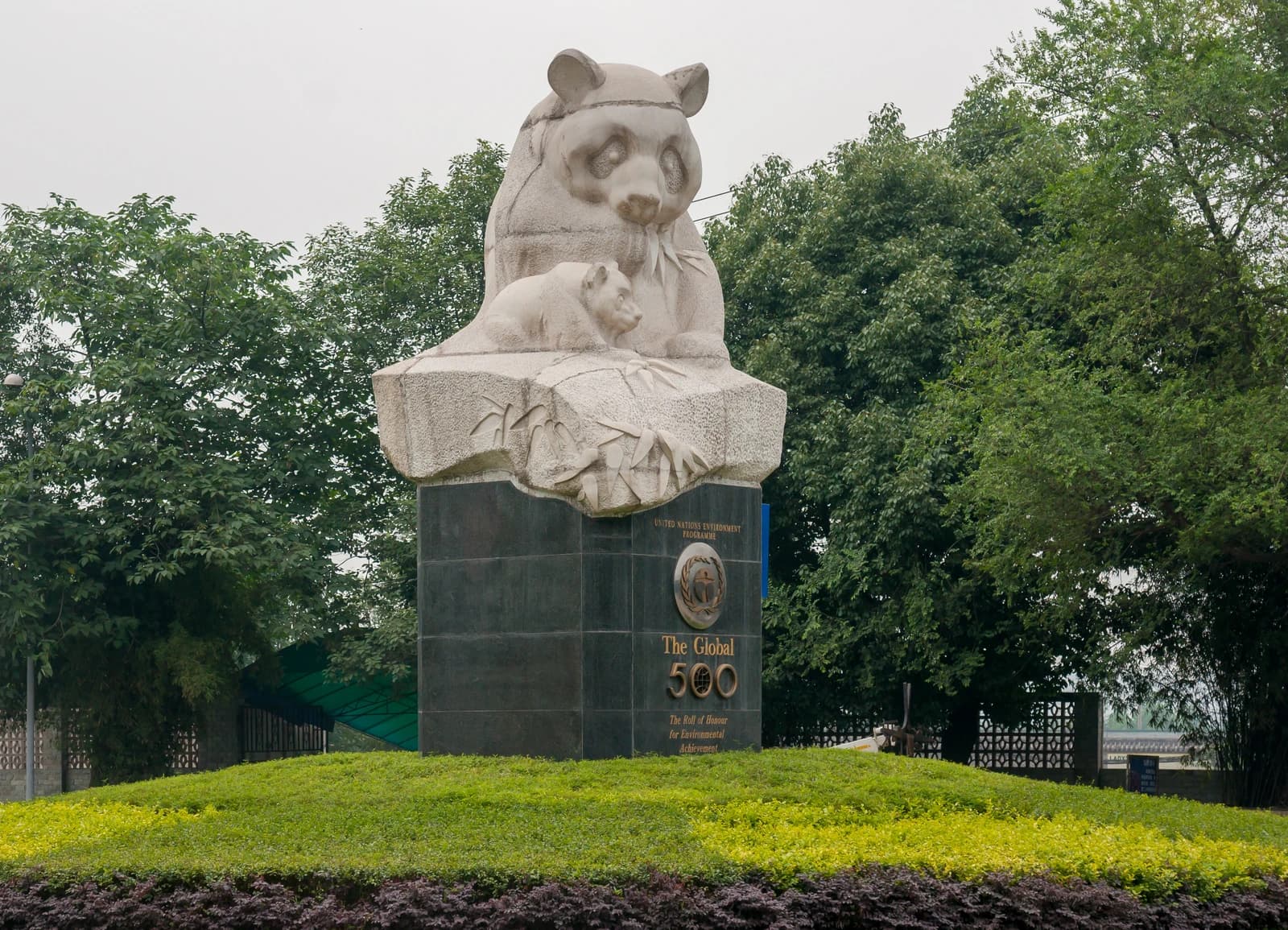
The panda itself has become the anchor asset. Sichuan’s wild panda population rose from 909 in the 1980s to 1,387 in the latest national survey cited by local authorities, and the species has been upgraded by the International Union for Conservation of Nature from endangered to vulnerable. Once hunted and trafficked, pandas are now a soft-power and consumer brand, with Beijing’s 2022 Winter Olympics mascot Bing Dwen Dwen turning into a merchandising phenomenon.
For markets, the investable angle is broader than one county in Sichuan. The panda economy favors companies and sectors exposed to Chinese domestic tourism, regional rail and road access, hotel and guesthouse operators, leisure consumption, outdoor recreation and environmental services. It also reinforces the case that China’s long-term winners will increasingly be those tied to cleanup, conservation and experience spending rather than the old commodity-heavy growth model.
The other important layer is geopolitical and reputational. Baoxing’s panda story links conservation, national identity and historical memory, turning a former extraction zone into a showcase of state-led ecological modernization. That supports China’s broader effort to present itself as a steward of biodiversity while monetizing its own domestic landmarks.
The market may not price a county-level tourism shift directly, but it should not miss the bigger implication: in China, protected landscapes are becoming economic engines, and the capital that follows them is increasingly focused on services, branding and infrastructure around experience rather than extraction. The clearest winners are local tourism operators and infrastructure providers; the losers are the mining, logging and small hydro interests that no longer fit the new model.
| Entity | Gains | Losses |
|---|---|---|
| Baoxing tourism businesses | ▲More visitors, higher revenue | ▼— |
| Local households | ▲Higher service income | ▼Mining-era jobs |
| Giant Panda National Park | ▲Stronger protection, branding value | ▼Resource extraction projects |
| Mining/logging operators | ▲— | ▼Loss of access and permits |