Barça has completed a €105 million bond issue, adding fresh financing at a time when European football clubs are still relying on debt markets to bridge spending needs, refinance obligations and protect liquidity.
Barcelona’s Bond Issue Signals Funding Advantage

The deal matters because access to capital is becoming a competitive advantage in elite football. Clubs with strong brands and reliable cash flow can tap investors at scale, while weaker balance sheets face higher costs or fewer options, making financing as important as transfer strategy for long-term stability.
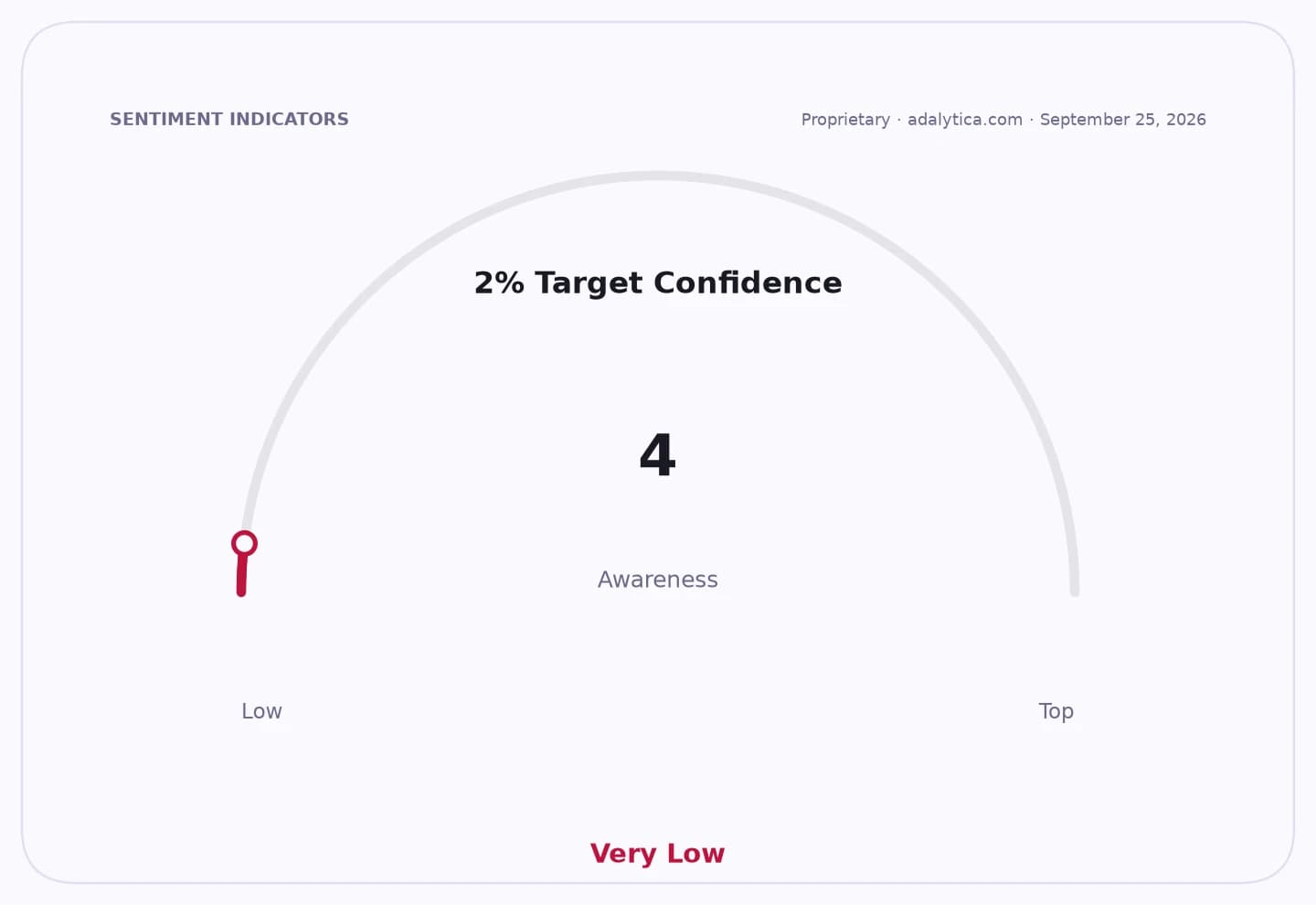
Sentiment IndicatorsⓘProprietary · adalytica.com · July 17, 2026
This is a snapshot — live sentiment, awareness and momentum for 130+ markets update continuously in the dashboard.Open AlphaPulse
The bond comes against a backdrop of heavy borrowing across the sport. Manchester United Football Club, for example, issued $550 million of senior secured notes in June, underscoring how major clubs are using fixed-income markets to fund operations and large projects even as interest rates remain elevated.
For Barça, the raise supports a broader effort to manage financial pressure without relying solely on player sales or short-term bank funding. For investors, the key question is whether the club can keep servicing debt from matchday income, commercial deals and media revenue while preserving room for sporting investment.
The move also highlights how demand for recognizable, asset-rich borrowers remains intact despite volatility in broader credit markets. That can help top clubs access funding, but it also raises the stakes if revenues weaken or on-field performance hurts commercial receipts.
The next catalyst is execution: investors will watch how Barça deploys the proceeds, what maturity and coupon terms it locked in, and whether the club can continue to refinance on favorable terms as European football finances remain under scrutiny.
| Entity | Gains | Losses |
|---|---|---|
| Barça | ▲Fresh liquidity | ▼Higher debt burden |
| Bondholders | ▲Coupon income | ▼Club credit risk |
| Rival clubs | ▲Benchmark access | ▼Relative financing disadvantage |
| Existing equity holders | ▲Operational flexibility | ▼Less financial headroom |