Big Tech is moving AI from chat into action, and that shift is becoming one of the most important commercial battles in technology.
Big Tech Pushes AI Agents Into Shopping and Work
The next phase of artificial intelligence is not about better answers — it is about agents that shop, book, schedule, file, and eventually complete entire workflows without constant human prompting. That matters because the company that owns the AI “butler” may end up controlling the most valuable layer of the digital economy: transactions. Whoever becomes the default assistant will sit between consumers and merchants, between workers and software, and between intent and payment. That is where the monetization is.
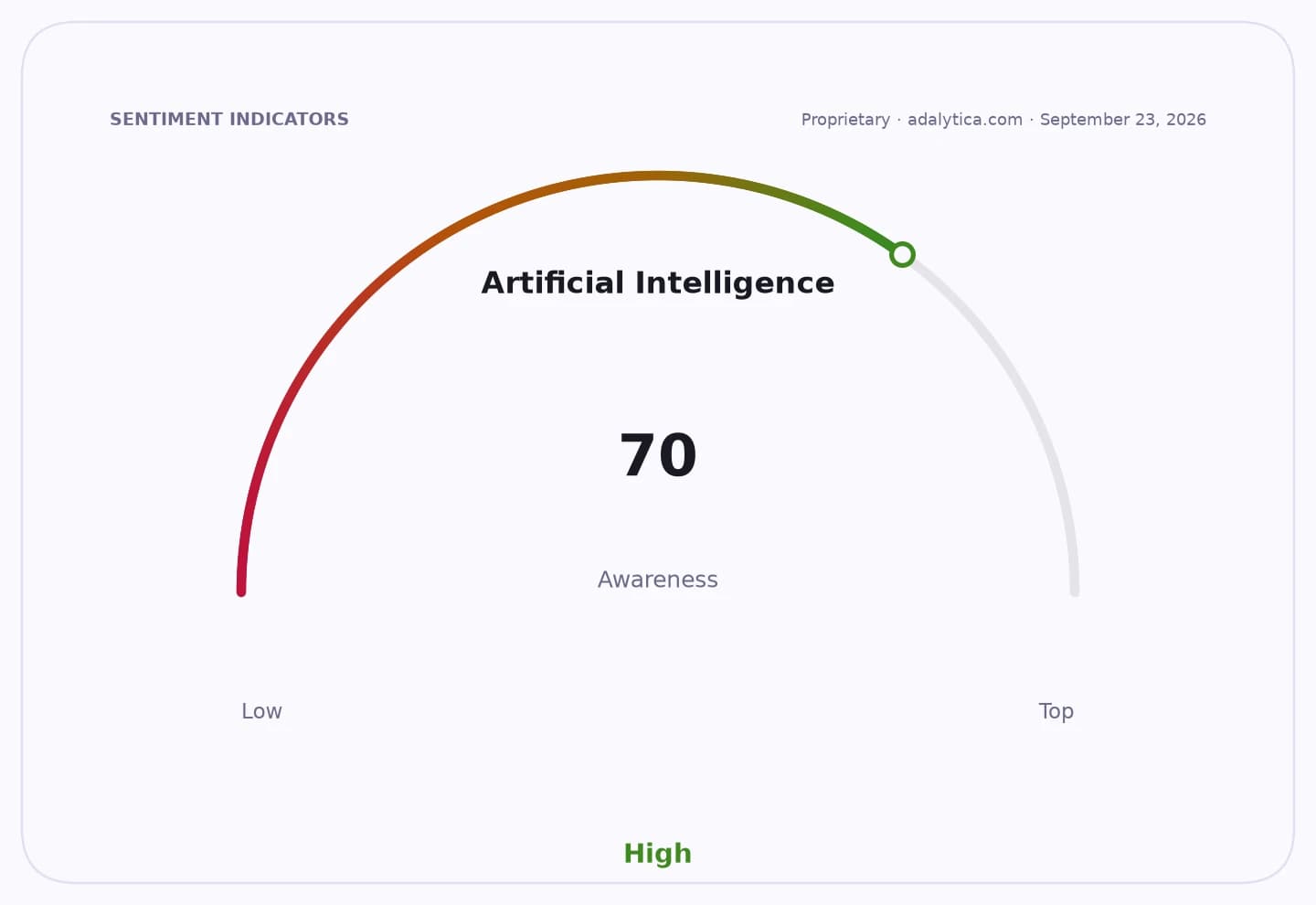
Sentiment IndicatorsⓘProprietary · adalytica.com · October 3, 2026
This is a snapshot — live sentiment, awareness and momentum for 130+ markets update continuously in the dashboard.Open AlphaPulse

Google, Meta and OpenAI are now pushing that frontier with products built to remember preferences, compare prices, reserve restaurants and manage calendars, while Microsoft is pitching its own workplace agent inside Teams and Outlook. In South Korea, Naver and Kakao are joining the race, extending the fight into shopping, gifting, travel booking and even public-document services. The common thread is simple: these companies are no longer selling AI as a novelty. They are trying to turn AI into a daily operating system.
The economic significance is large. If AI agents can reliably move from recommendation to checkout, or from reminder to execution, they can compress friction across retail, travel, food delivery, scheduling and office productivity. That threatens the old traffic model built on search clicks, app switching and manual work, while creating a new toll road on commerce, identity, payment and enterprise automation. For platforms, this is not just product innovation; it is a bid to defend user attention and capture more of the value chain before rivals do.
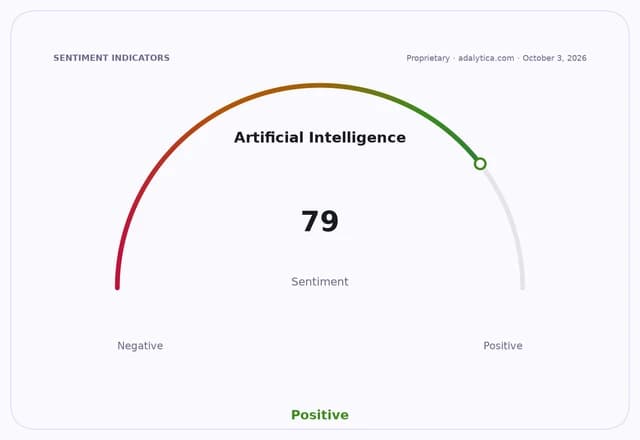
Artificial Intelligence — 30-day sentimentadalytica.com
Explore this data interactively — full history, time series and cross-market comparisons.Open AlphaPulse
That is why the competition is life-or-death. Meta’s Muse can compare prices, call businesses and build shopping lists from saved Instagram content. Google’s Gemini Spark is designed to connect Gmail, Docs and Calendar into a system that can turn emails into itineraries and meeting reminders into action. OpenAI’s Dots is aimed at longer-running professional tasks, while Microsoft is pushing Autopilot through its core workplace stack. Each product is trying to become the first place users ask, “Please handle it,” rather than the place they go to search for answers.
Investors should see the implications clearly. The winners will not be limited to the companies with the flashiest demos. The real upside sits with the platforms that already own distribution, identity, cloud infrastructure and payment rails. That means the AI assistants themselves can be a strategic defense for Google, Meta, Microsoft and Amazon, but they also raise the stakes for merchants, travel intermediaries, delivery platforms and any app whose business depends on human navigation. In other words, agentic AI is both a growth catalyst and a margin weapon.
The market is still underestimating how fast this can monetize. Microsoft shares have recovered to about $517.53, above both its 50-day moving average near $487.39 and its 200-day average near $431.46, while Alphabet trades around $343.50, just above its 50-day and 200-day averages. Amazon remains more fragile technically at roughly $251.52, below its 50-day average of about $256.54 but still above its 200-day average near $241.36. Those setups matter because they show investors are already rewarding the names most exposed to the agentic AI race, while leaving room for a second wave tied to commerce and workflow automation.
There is also a macro backdrop that makes the push more urgent. Fed policy is still restrictive, with rates in the mid-3% area in the funds market and the 10-year Treasury near 5.24%, which keeps pressure on companies to show faster payback from AI capital spending. That means platforms will be judged not by model quality alone, but by whether these assistants can reduce labor costs, increase conversion and deepen customer lock-in. The market will not pay indefinitely for AI capex without a path to transactional revenue.
My view is that the real opportunity is not in generic chatbots. It is in the picks-and-shovels layer around AI agents: cloud, payments, identity, commerce infrastructure, customer-service automation and the enterprise software that agents plug into. The companies that own the workflow and the checkout will compound faster than the companies that merely advertise AI features. If you want exposure, look for the platforms that can turn intelligence into execution — and start positioning before “AI assistant” becomes just another way to say software that moves money.
| Entity | Gains | Losses |
|---|---|---|
| ▲Search-to-action monetization | ▼App-only intermediaries | |
| Meta | ▲Commerce and booking engagement | ▼Fragmented consumer apps |
| Microsoft | ▲Workplace automation stickiness | ▼Manual admin labor |
| Amazon | ▲Transaction flow and checkout relevance | ▼Comparison-shopping friction |