Binance is pressing ahead with plans to expand into as many as six new markets even after a record-breaking cyberattack drained roughly $6.3 billion in digital assets from the world’s largest crypto exchange.
Binance Plans Expansion After Cyberattack

That matters because the attack is more than a one-off security scandal. It is a stress test for Binance’s balance sheet, its risk controls and the broader crypto market’s confidence in centralized exchanges. If Binance can absorb the loss, restore customer withdrawals and keep winning licenses, it will reinforce the idea that the industry’s biggest players can survive even extreme operational shocks. If not, the damage could ripple through trading volumes, liquidity and trust across the digital-asset ecosystem.
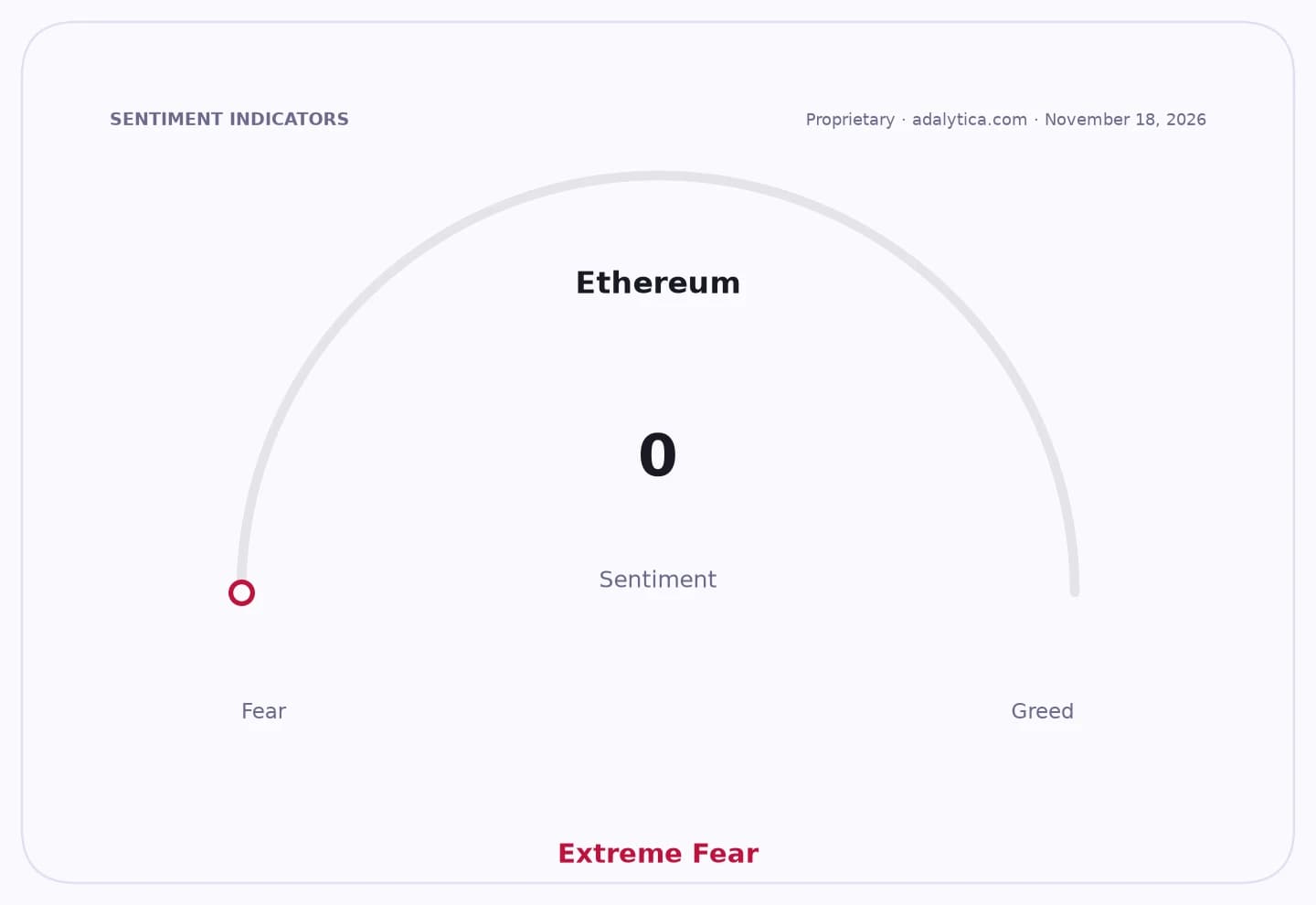
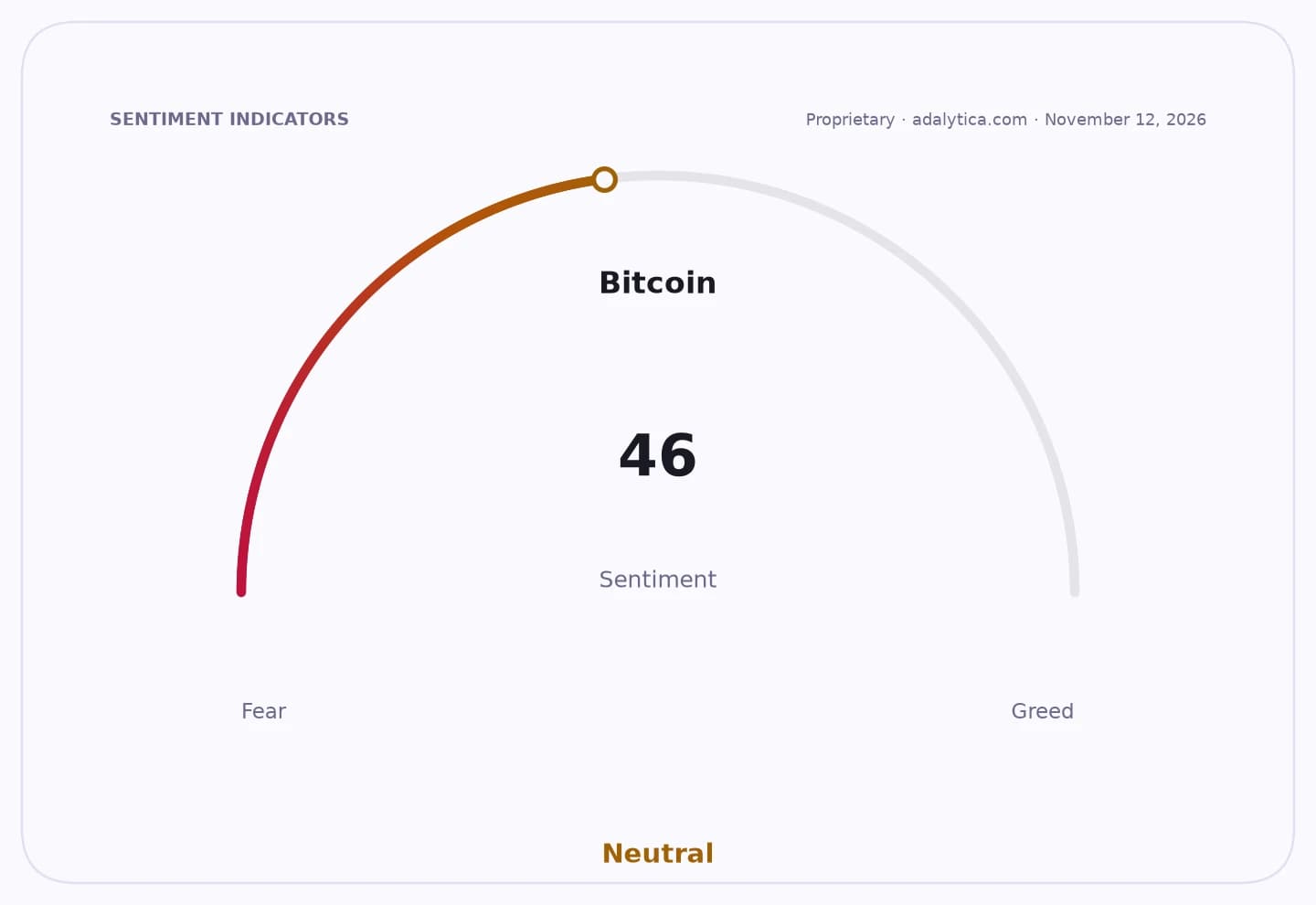
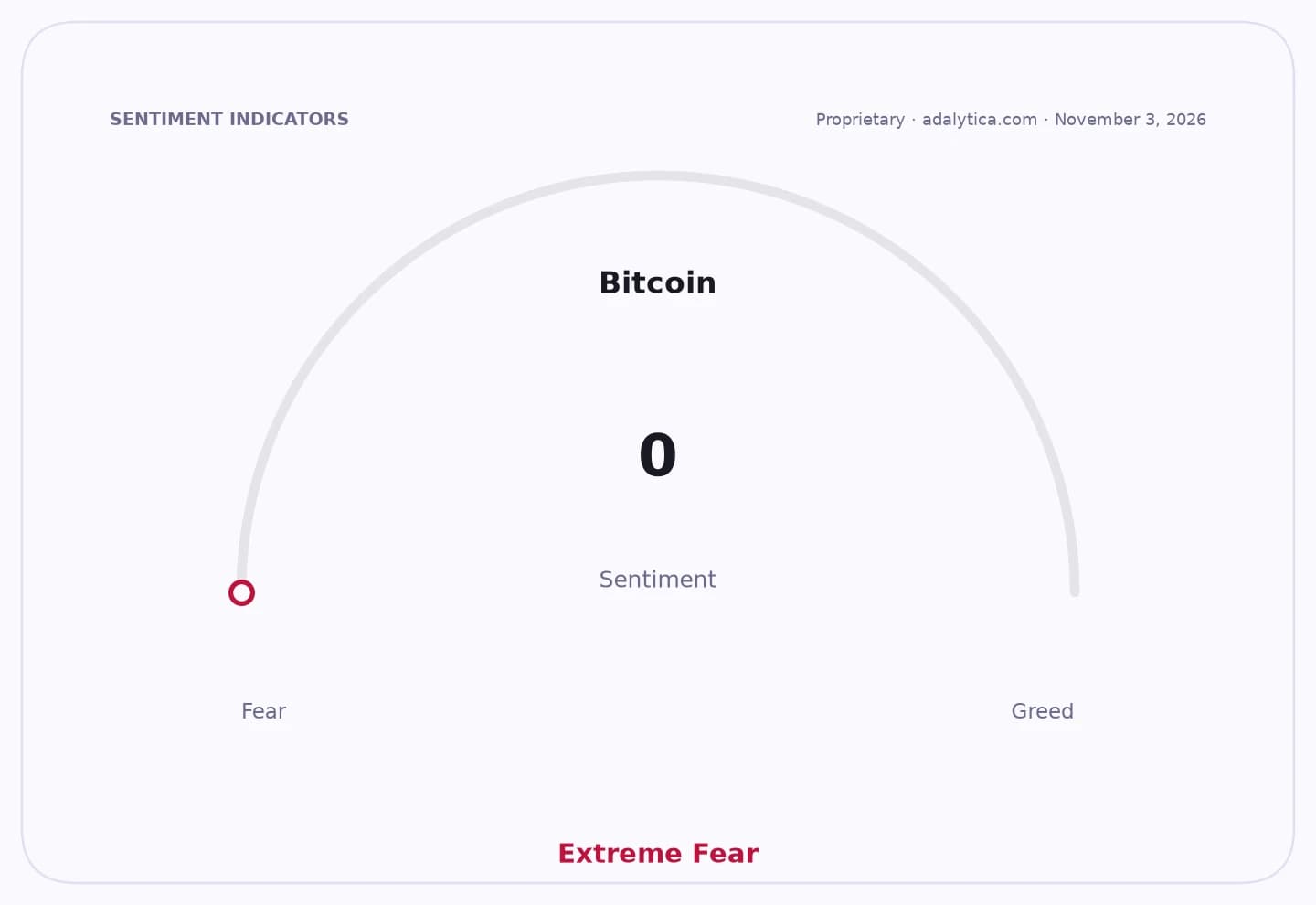
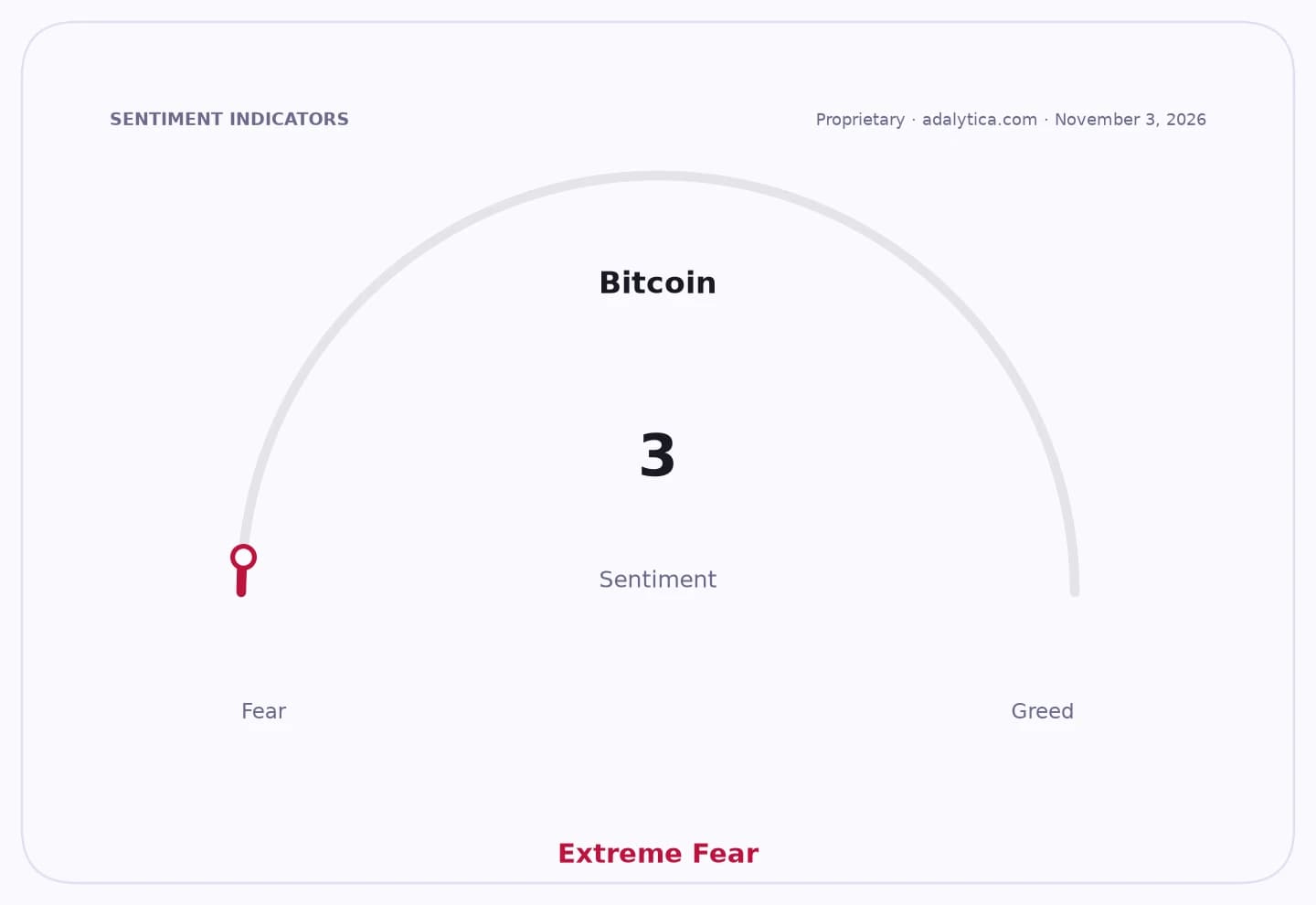
Sentiment Indicators
Binance said it has already used its own cash to replace the stolen tokens and helped freeze about $3 billion of the missing funds with other industry participants. The company’s Asia-Pacific head, S.B. Seker, told Reuters at the Singapore FinTech Festival that Binance is talking to at least five or six markets, with three of those discussions at a relatively advanced stage. South and Southeast Asia are among the priorities, though he declined to name the countries.
The exchange, which holds licenses in 15 jurisdictions, said the cost of covering the loss was not large enough to require fresh capital. Seker said Binance could withstand the hit “without any changes” to its operations.
For investors, the bigger takeaway is that Binance is trying to separate the cyber breach from the business story. That is exactly what long-term winners do: they protect the franchise, restore normal service and keep growing. Binance also expects to fully restore withdrawals by the end of the week, lifting restrictions that still apply to some assets and networks.
Still, the episode underlines a structural risk that never goes away in crypto. Binance does not publish full profit-and-loss statements, balance sheets or cash-flow reports, so outsiders have to judge its resilience with limited transparency. That makes market trust itself a core asset.
The market is also signaling how fragile that trust can be. Bitcoin has fallen sharply in recent sessions and Adalytica’s Bitcoin Fear & Greed Index shows sentiment in deep fear territory, a reminder that security events can hit confidence well beyond one exchange.
For investors who believe crypto adoption will compound over years, Binance’s next move matters less as a short-term headline than as a test of whether the industry’s infrastructure is maturing. If the company can keep expanding, restore access smoothly and avoid additional fallout, the breach may prove painful but not fatal. That makes Binance a name to watch closely, but also one to approach with the caution that always belongs in crypto.
| Entity | Gains | Losses |
|---|---|---|
| Binance | ▲Expansion optionality | ▼Reputation and trust |
| Crypto users | ▲Faster restoration of services | ▼Withdrawal disruptions |
| Bitcoin holders | ▲Potentially stronger exchange resilience | ▼Near-term confidence shock |
| Competitors | ▲Less pressure from Binance outages | ▼More scrutiny of security standards |