Turkey’s stock market is trying to stabilize after a sharp selloff, and the key question for investors is whether Borsa Istanbul can hold the 12,700 level or extend its decline toward 12,600. That matters because this is the point where a short-term correction starts to look like a deeper risk-off move, with bank and holding shares already showing that weakness is spreading unevenly across the market.
BIST 100 Tests 12,700 Support After Selloff

The BIST 100 finished Thursday down 2.74% at 12,888.33 and opened the next session almost unchanged at 12,885.57, a sign that buyers are not yet willing to chase prices higher but also that panic has not taken over. Banks rose 0.72% at the open, while the holding index fell 1.32% and leasing-factoring shares dropped 8.34%, underscoring how quickly risk appetite can vanish in the more leveraged corners of the market.
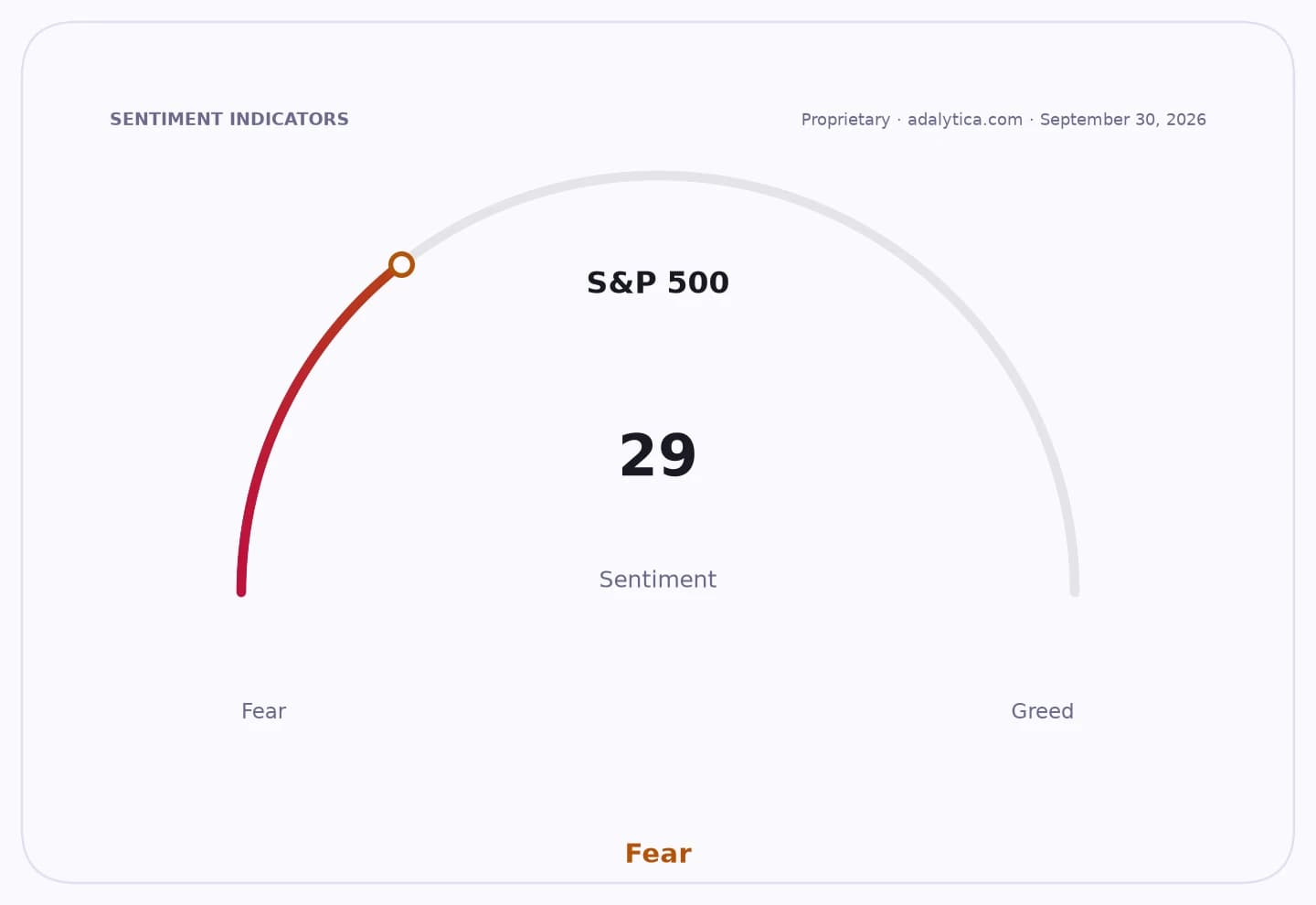
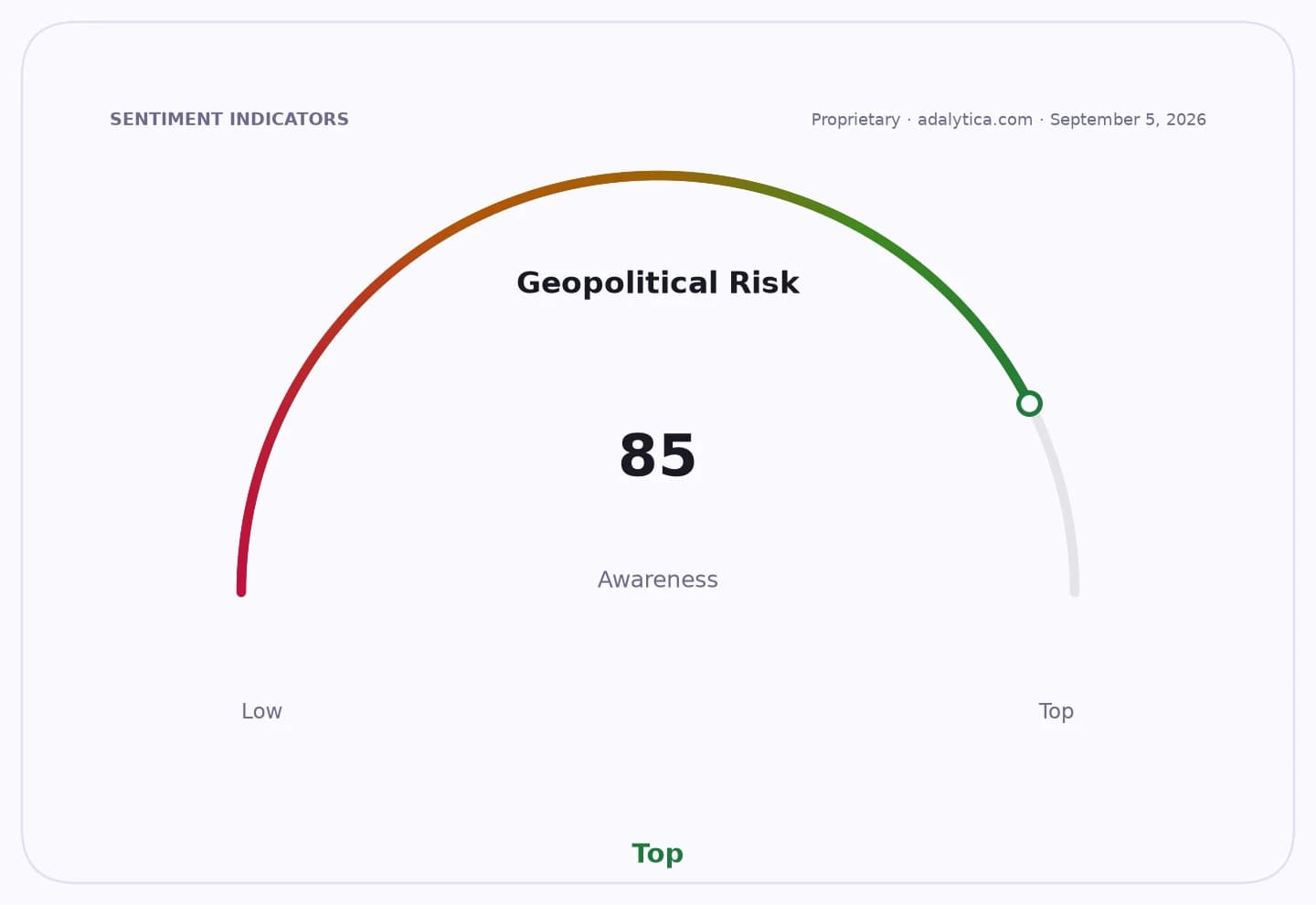
Sentiment IndicatorsⓘProprietary · adalytica.com · September 30, 2026
This is a snapshot — live sentiment, awareness and momentum for 130+ markets update continuously in the dashboard.Open AlphaPulse
For investors, the technical setup now matters as much as the headlines. Analysts are watching 12,700 and 12,600 as support, with 13,000 and 13,100 seen as resistance. In plain terms, a sustained break below support could trigger more systematic selling, especially after a day like Thursday’s, when the market already absorbed heavy profit-taking. The BIST 100’s recent slide also comes as its price sits well below the kind of momentum levels that typically attract trend-following inflows, with the broader setup looking fragile rather than constructive.
The macro backdrop is mixed. Global equities have found some relief from easing concerns over energy supply after hopes of a new Middle East deal, while a pause in the bond selloff has helped sentiment. That is important for Turkey because domestic equities do not trade in isolation: when global risk appetite improves, emerging market assets can stabilize quickly, but when international yields and geopolitical stress rise, Turkey tends to feel the pressure fast.
Adalytica’s Global Stability Sentiment snapshot shows neutrality at 68, but with awareness still at “Extreme Fear,” a combination that usually points to nervous positioning rather than conviction. That kind of backdrop can create sharp countertrend rallies, but it also means the market is vulnerable to another leg lower if support fails. The dollar signal remains in “Extreme Fear,” which reinforces how distorted cross-asset positioning has become and how quickly capital can rotate when confidence cracks.
The message for investors is straightforward: this is a level-driven market now, not a story-driven one. If BIST 100 can hold above 12,700 and recover toward 13,000, the recent selloff may prove to be a shakeout rather than the start of a larger de-risking. If it cannot, the market is likely to invite another round of forced selling in financials and other cyclical names.
For now, the best strategy is to stay selective, keep exposure tight, and watch the support band closely. In markets like this, the first move after a sharp drop often matters less than the level that holds when the selling comes back.
| Entity | Gains | Losses |
|---|---|---|
| BIST 100 buyers | ▲Buy near support | ▼Face another leg lower if 12,700 breaks |
| Banks | ▲Relative resilience | ▼Catch-up selling if risk aversion deepens |
| Holdings and leasing-factoring shares | ▲Short-covering bounce possible | ▼Led the decline and remain vulnerable |
| Dollar bears | ▲Weak signal may ease pressure | ▼Currency stress can return if Turkey risk rises |