Bitcoin could be one of the biggest winners if the AI buildout turns into the kind of boom-bust cycle that has repeatedly followed major technology waves, according to BitMEX co-founder Arthur Hayes.
Bitcoin AI boom-bust liquidity thesis
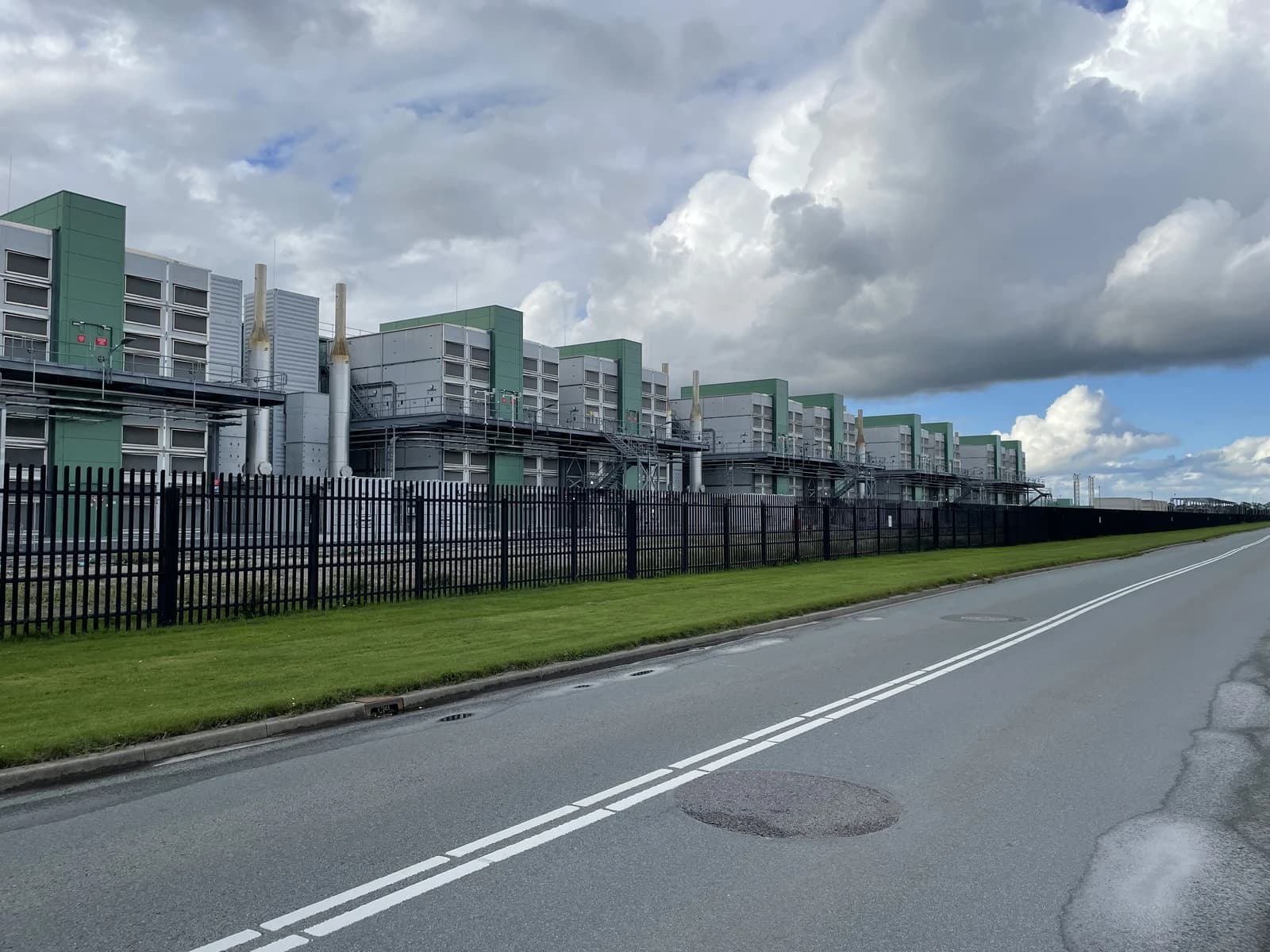
That matters because the current AI race is being financed with staggering sums. Hayes told an investment conference in Singapore that trillions of dollars are flowing into data centers and computing power, raising the risk that the world builds far more AI infrastructure than it ultimately needs. If that happens, the result could be falling prices for compute, a wave of losses across the sector and, eventually, a fresh round of monetary or government support — the sort of liquidity that has historically been rocket fuel for Bitcoin and other crypto assets.
Sentiment IndicatorsⓘProprietary · adalytica.com · October 8, 2026
This is a snapshot — live sentiment, awareness and momentum for 130+ markets update continuously in the dashboard.Open AlphaPulse
For long-term investors, the key point is not just whether AI remains a powerful theme. It is whether the industry overshoots. Hayes argues that history is on the side of excess: big technology spending, a crash, then a bailout or easing cycle. In that scenario, the winners are often scarce assets such as Bitcoin, which tends to benefit when liquidity floods back into markets and investors start looking for alternatives to debased money.
The timing may matter as much as the thesis. Hayes said the strain could become more visible in late 2027 or around 2028, when much of today’s new infrastructure should be complete. By then, companies such as SpaceX, OpenAI and Anthropic will have spent heavily to secure compute, but the market will still have to answer the hard question: will demand rise fast enough to justify all of it? If the answer is no, prices for compute could fall sharply and capital could get reallocated away from the AI winners of today.
Bitcoin — 30-day sentimentadalytica.com
Explore this data interactively — full history, time series and cross-market comparisons.Open AlphaPulse
There is, of course, another path. AI could prove so useful that demand keeps compounding and the biggest builders turn highly profitable. That is the bullish case for Nvidia, Microsoft and the broader cloud ecosystem, which is why the story is bigger than one asset class. But even that outcome does not eliminate the cycle risk. Markets often overbuild before they underappreciate how quickly supply catches up.
Bitcoin’s recent price action suggests investors are still waiting for a stronger catalyst. The token was trading around $82,038, down from above $85,500 earlier in the week, while Adalytica’s Bitcoin Fear & Greed reading sat at 40, or neutral, with “awareness” in extreme fear territory. By contrast, the S&P 500 snapshot showed extreme greed, a reminder that broad equity markets remain far more confident than crypto right now.
That gap is what makes Hayes’ argument interesting for patient investors. If AI spending does indeed morph into excess capacity and then policy makers respond with easier money, Bitcoin does not need a perfect economy to thrive. It needs a world awash in liquidity and a growing willingness to own scarce digital assets. That is why the AI boom, paradoxically, could end up strengthening Bitcoin.
Hayes is backing that view with a new venture, Flop, expected to launch in 2027, aimed at creating a market for computing power that digital agents can buy and use directly. It is a speculative idea, but it fits the bigger investing story here: compute may become abundant, margins may compress and the next leg of the cycle may favor the assets that cannot be printed.
For investors, the takeaway is simple. AI remains a powerful secular trend, but bubbles are often built alongside revolutions. If the infrastructure rush goes too far, Bitcoin could emerge as one of the clearest beneficiaries. Worth watching, and worth keeping on a long-term watchlist.
| Entity | Gains | Losses |
|---|---|---|
| Bitcoin holders | ▲More liquidity | ▼None if thesis plays out |
| AI infrastructure builders | ▲Short-term spending boom | ▼Margin compression later |
| Nvidia, cloud sellers | ▲Near-term demand surge | ▼Oversupply risk |
| Cash-heavy investors | ▲Optionality in a pullback | ▼If liquidity stays tight |