Bitcoin is getting a fresh demand bid from both sides of the market: U.S. exchange-traded funds drew $663 million in a single day, while Switzerland’s regulator opened the door for retail investors to buy a physically backed Bitcoin fund, broadening access just as the token tests a key resistance level near $84,300.
Bitcoin ETFs Draw $663M as Swiss Retail Access Opens
The biggest economic significance is not the one-day flow print alone, but what it says about whether fresh capital is returning to an asset class that has spent much of October under pressure. The inflows, which went entirely to BlackRock’s iShares Bitcoin Trust, reversed the ETF outflows seen earlier in the month and suggest institutional buyers are again willing to add exposure even after Bitcoin’s sharp pullback from recent highs.
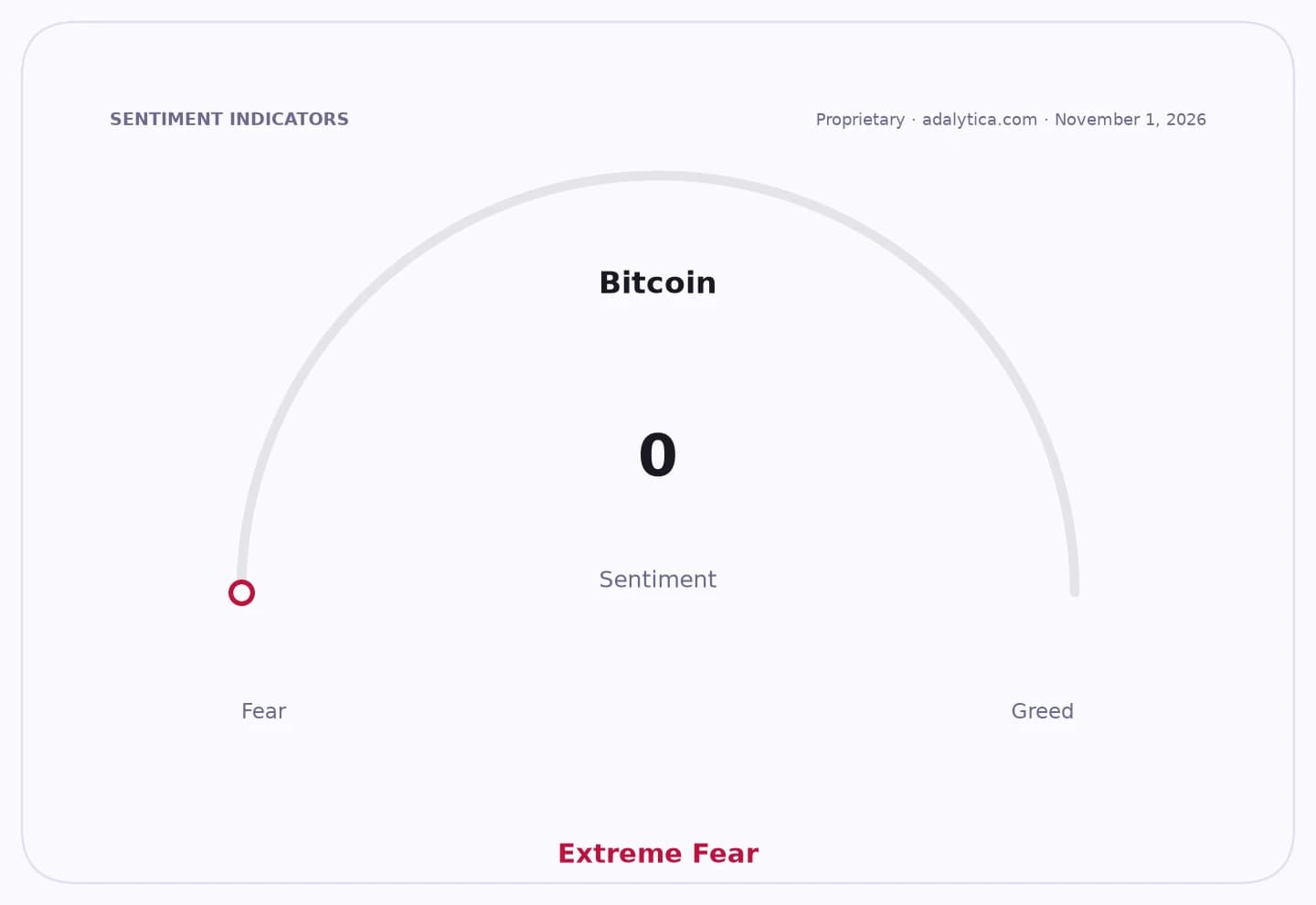
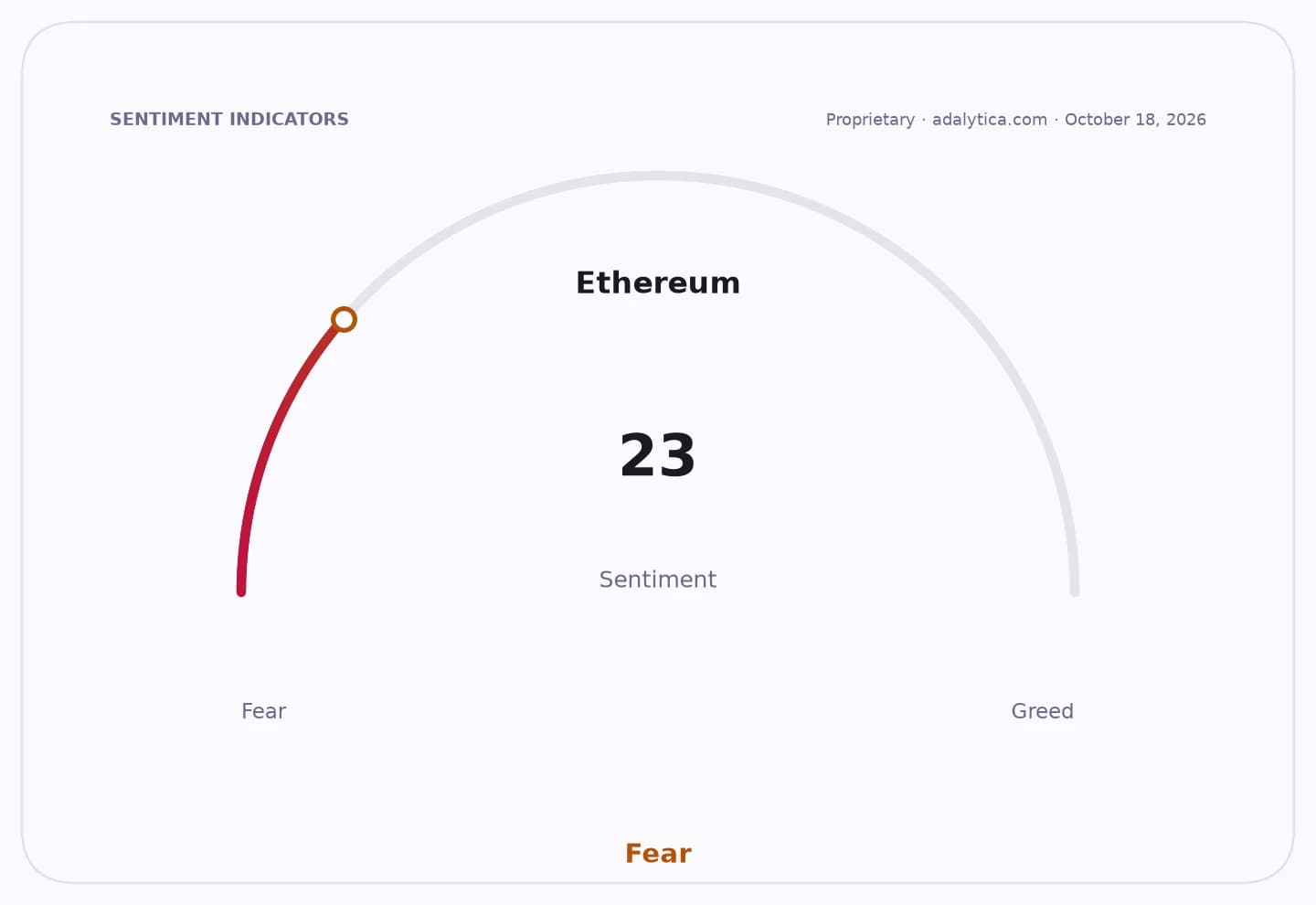
Sentiment Indicators
That matters because Bitcoin remains highly dependent on marginal flows. When ETF demand strengthens, it can absorb supply from sellers and improve market depth; when it weakens, price tends to drift lower as speculative positioning unwinds. Bitcoin was last trading around $80,857, below its 50-day moving average of $81,833 and only slightly above the lower end of its recent Bollinger band range, underscoring how fragile the recovery remains. The RSI at 39.5 points to a market that has rebounded from oversold conditions but has not yet regained momentum.
For investors, the combination of stronger ETF inflows and a new Swiss retail product adds to the case that Bitcoin is slowly moving deeper into mainstream portfolios. FINMA’s approval of the Bitcoin Fund ETF, which will hold actual Bitcoin and trade on the SIX Swiss Exchange under the ticker BBIT, gives everyday investors a regulated route into the asset without requiring them to manage private keys. That is important for adoption because it lowers operational friction and may widen the buyer base beyond institutions and crypto-native traders.
Switzerland’s move also carries symbolic weight. By waiving traditional diversification requirements on the grounds of Bitcoin’s liquidity and historical price behaviour, the regulator is effectively acknowledging that digital assets are now being treated less like a niche speculation and more like an investable asset class with defined market infrastructure. For fund managers, that can help normalize Bitcoin exposure in regulated jurisdictions and support longer-term distribution through wealth platforms and advisory channels.
Still, the rally thesis remains conditional. Bitcoin has repeatedly held the $79,800 area, but buyers need a decisive break above $84,300 to open the way toward $87,400 and confirm that the rebound has real follow-through. Failure there would leave the market vulnerable to another slide back toward support, especially if ETF demand proves episodic rather than sustained.
The bull case is straightforward: renewed ETF inflows, broader retail access in Europe and a more constructive policy backdrop could pull sidelined capital back into Bitcoin and stabilize price after months of volatility. The bear case is equally clear: one strong day of inflows does not erase the market’s recent weakness, and without persistent demand, the token could remain trapped below resistance while speculative enthusiasm fades again.
| Entity | Gains | Losses |
|---|---|---|
| BlackRock IBIT | ▲Captures all inflows | ▼Smaller Bitcoin ETFs |
| Bitcoin bulls | ▲Fresh demand support | ▼Sellers at resistance |
| Swiss retail investors | ▲New regulated access | ▼Unlicensed crypto platforms |
| Short-term bears | ▲Higher squeeze risk | ▼Downtrend momentum |