Bitcoin is back in the conversation for the oldest reason in crypto: when geopolitics breaks the financial plumbing, traders look for assets that can move outside the system.
Bitcoin, Iran Crypto Tolls, and Hormuz Trade Risk
Bitcoin
That is the real significance of reports that Iran is considering charging oil tankers for safe passage through the Strait of Hormuz in cryptocurrency. The proposed tolls, which TRM Labs says the Islamic Revolutionary Guard Corps has already been accepting since March, could reach as much as $2 million per vessel, or roughly $1 a barrel. In a region where the passage of tankers has already shrunk to a trickle, any move to formalize crypto payments would tighten a choke point that still matters enormously for global energy prices, shipping risk and inflation.
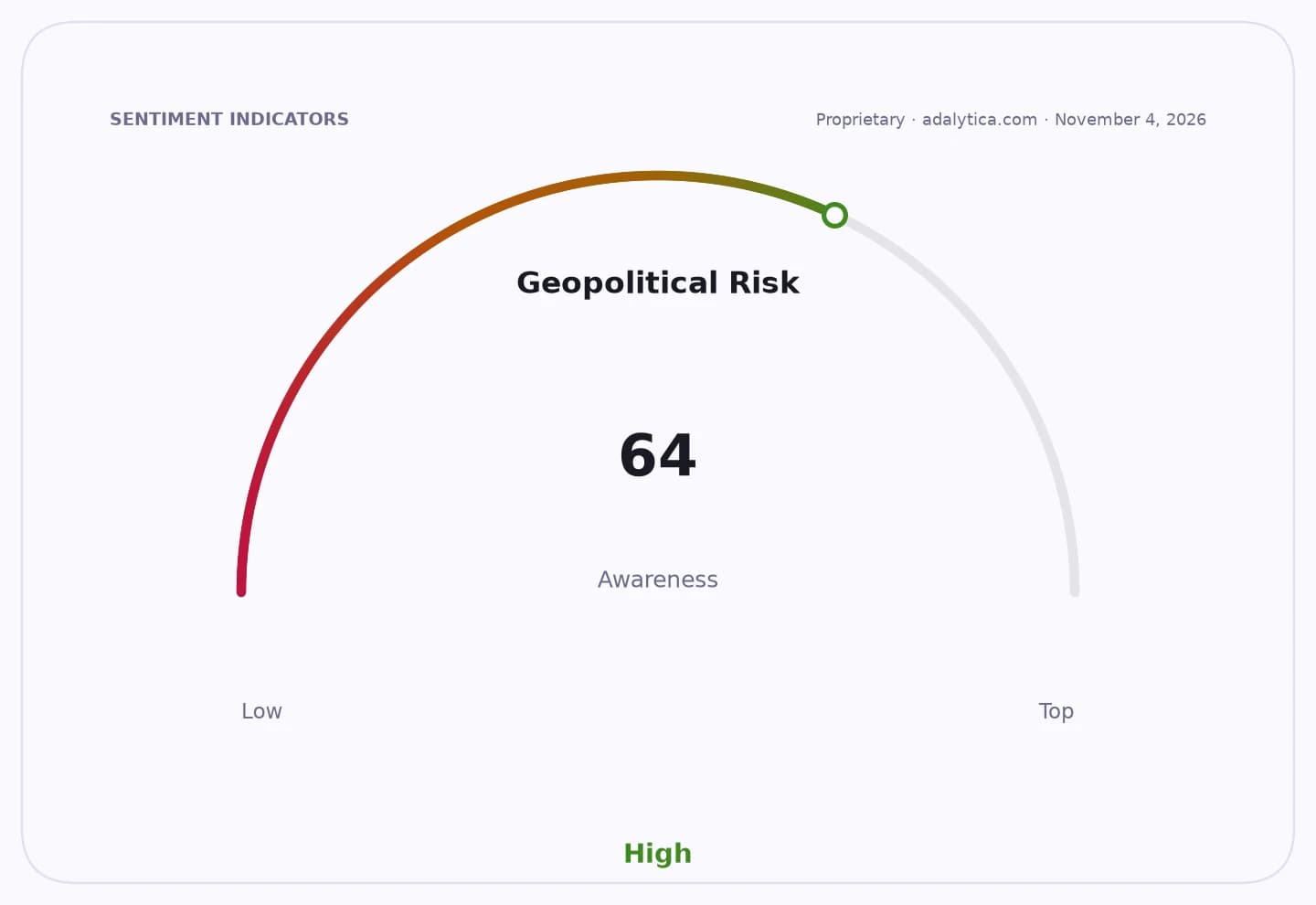
Sentiment Indicators
For investors, the story is not that bitcoin is becoming everyday money. It is that bitcoin keeps finding its most durable use case in crisis finance. That is exactly why the market reacts when sanctions, war and capital controls collide. The crypto complex may be a niche in normal times, but in moments of stress it becomes a parallel payments rail for states, traders and intermediaries trying to route around the dollar-based system.
The numbers underscore how limited, but how politically charged, this use can be. Iran is already a major crypto actor: the reports note about 4.5% of all bitcoin mining takes place there, giving Tehran a tool to source imports and blunt sanctions pressure. The payment list is broader than bitcoin alone, stretching to yuan and tether, which tells you this is less about ideology than expediency. But even if bitcoin is only one option, the symbolism matters. A state-linked toll in crypto is a direct challenge to the dollar’s gatekeeping role in oil trade and, at the margin, a nudge toward what one Deutsche Bank strategist called the beginnings of a “petroyuan.”
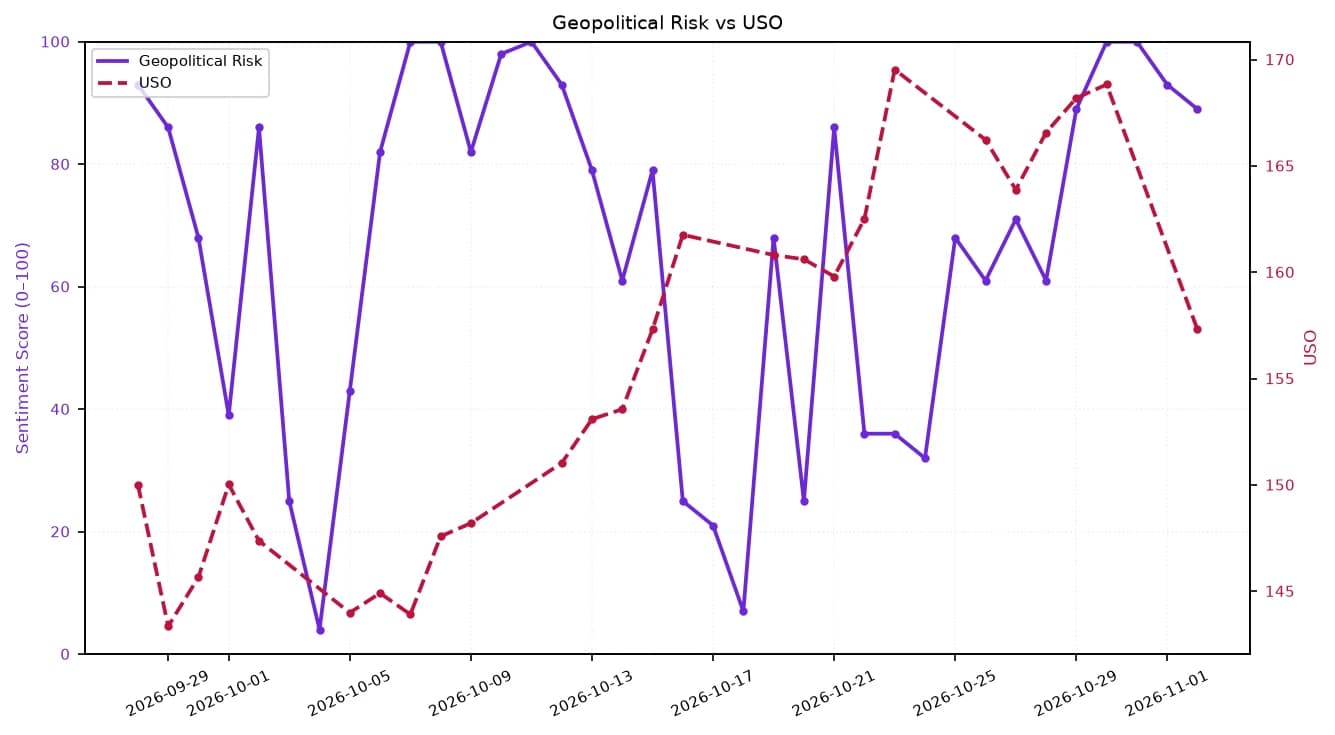
Bitcoin — 30-day sentimentadalytica.com
Explore this data interactively — full history, time series and cross-market comparisons.
The investment angle is broader than just BTC. Crypto-linked stress events tend to funnel capital toward the listed companies best positioned to monetize volatility and infrastructure demand. Coinbase, which has been whipsawed with the broader market, remains a direct lever on trading activity and crypto risk appetite. MicroStrategy, still a high-beta proxy for bitcoin itself, benefits when the asset re-enters “crisis hedge” mode. And while the market focuses on token prices, some of the more durable winners sit in the pick-and-shovel layer: energy producers that can monetize excess gas for bitcoin mining, exchange infrastructure, custodians and compliance firms that profit from rising crypto traffic even as regulators tighten.
The catch is that the practical hurdles are severe. Bitcoin is not anonymous; it is transparent by design, and that makes a tanker toll far easier to trace than the promoters would like. Shipping companies would also struggle to source millions of dollars of crypto without drawing attention from regulators, especially with the US labeling the IRGC a terrorist organization. Washington has already warned it would intercept ships paying Iranian tolls in international waters. In other words, this is not a clean new payment system. It is a sanctions workaround trying to operate inside a sanctions trap.
That tension is exactly why bitcoin remains such a powerful crisis asset. It is rarely used for retail payments, but it repeatedly resurfaces where conventional finance is under pressure and speed, portability and censorship resistance matter more than convenience. The market underestimates how often those moments recur, and how quickly they can reprice the entire crypto stack.
For investors, the takeaway is straightforward: don’t treat bitcoin as a mainstream currency story. Treat it as a geopolitical optionality trade. When conflict, sanctions and capital controls intensify, bitcoin and the companies built around it gain relevance. If the Strait of Hormuz remains a live pressure point, the next leg in crypto may come not from consumer adoption, but from the world’s most dangerous trade routes.
| Entity | Gains | Losses |
|---|---|---|
| Bitcoin | ▲Crisis-demand narrative | ▼Stable retail-use story |
| Coinbase | ▲Higher trading volumes | ▼Quiet markets |
| MicroStrategy | ▲BTC upside leverage | ▼Falling bitcoin prices |
| Iran / IRGC | ▲Sanctions workaround | ▼Greater US scrutiny |