Bitcoin’s direction this week is likely to be set less by crypto-specific news than by four macro gauges that are tightening or easing the market’s appetite for risk: US Treasury yields, inflation, unemployment and the dollar.
Bitcoin Hinges on Macro Data This Week

The latest readings show a market still wrestling with higher-for-longer rates even as growth cools. The 10-year Treasury yield is forecast to edge up to 4.749%, while consumer prices are seen rising 0.89% in July, leaving annual inflation sticky enough to keep the Federal Reserve cautious. At the same time, unemployment is projected to drift down to 4.18%, suggesting the labor market is softening only gradually. For Bitcoin, that mix matters because it shapes real yields, liquidity and the dollar’s direction — the three variables that have repeatedly driven the token’s biggest swings.
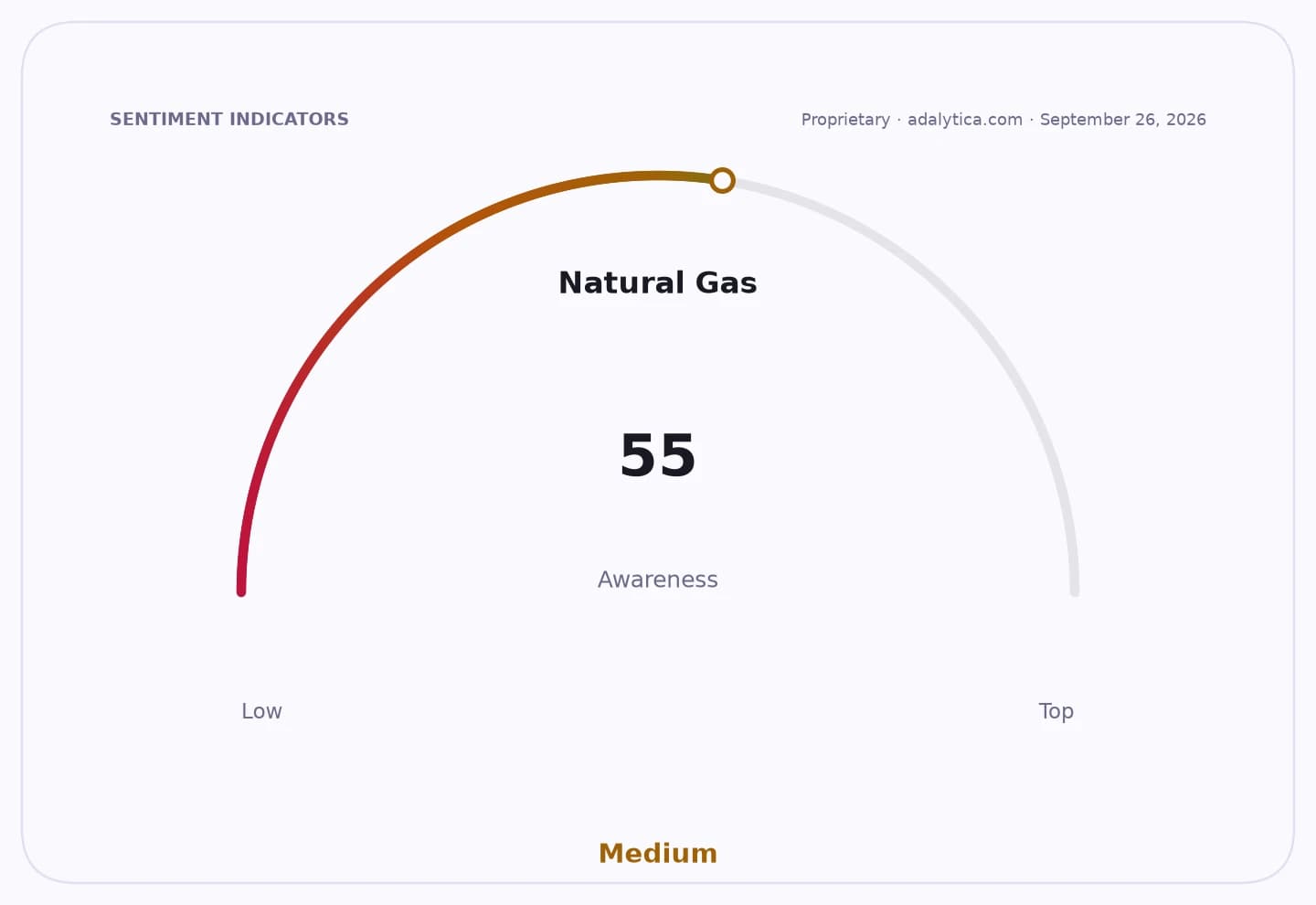
Sentiment IndicatorsⓘProprietary · adalytica.com · July 27, 2026
This is a snapshot — live sentiment, awareness and momentum for 130+ markets update continuously in the dashboard.Open AlphaPulse

Bitcoin has already been trading in a narrow but fragile range around $65,000, with the recent recovery coming after a steep drawdown from earlier peaks. On Monday, the cryptocurrency changed hands at about $65,322, roughly above its 50-day moving average but still well below its 200-day average, a sign that the rebound has improved short-term momentum without fully repairing the longer-term trend. RSI readings near 65 suggest positive momentum, while the MACD remains constructive. But those technicals can only do so much if macro conditions turn less favorable.
The real risk for bulls is that a firmer inflation print or a rise in yields would reinforce the case for tighter financial conditions, supporting the dollar and pressuring non-yielding assets such as Bitcoin. That would also likely dampen flows into crypto-linked equities. Coinbase Global has already retreated to about $158 from above $216 in May, while Strategy has fallen to roughly $91 from above $195 in May, underscoring how closely crypto equities are still tethered to Bitcoin’s macro sensitivity. Both names have shown the market’s willingness to reprice future trading activity and balance-sheet exposure when Bitcoin stalls.
DGS10 vs CPIAUCSL — macro contextadalytica.com
Explore this data interactively — full history, time series and cross-market comparisons.Open AlphaPulse
The bull case is straightforward: if inflation cools more than expected, yields slip and the dollar keeps weakening, Bitcoin could extend its rebound and challenge higher resistance levels. Adalytica’s Bitcoin Fear & Greed Index currently reads 60, labeled neutral, after swinging sharply over the past week, while the US Dollar Trade Signals gauge shows extreme fear, a combination that typically supports crypto risk assets if it persists. That backdrop also reflects continued institutional interest, including recent treasury and custody-related activity that has helped absorb some supply.
The bear case is that the market is over-reading a temporary stabilisation. Bitcoin remains below its longer-term average, the macro calendar is crowded, and even a modest upside surprise in CPI or a firmer Treasury market could quickly revive de-risking. In that scenario, miners, exchanges and leveraged holders would be the first to feel the strain, and Bitcoin’s recent rally would look more like a pause in a broader correction than the start of a new leg higher.
For investors, the message is that Bitcoin is entering a week where macro data may matter more than any crypto headline. A softer dollar and lower yields would likely reinforce the rebound; hotter inflation, stronger yields or a hawkish read-through from the data could just as easily send the market back toward support. The four numbers to watch are not just indicators of the US economy — they are the immediate catalysts for Bitcoin’s next move.
| Entity | Gains | Losses |
|---|---|---|
| Bitcoin bulls | ▲Softer inflation, lower yields | ▼Hot CPI, firmer dollar |
| Bitcoin bears | ▲Stronger yields, risk aversion | ▼Easier financial conditions |
| COIN, MSTR | ▲Rising BTC and trading volumes | ▼BTC weakness, lower risk appetite |
| Dollar holders | ▲Stronger dollar, tighter policy | ▼Dollar decline, weaker real yields |