Bitcoin steadied near $64,000 after the Federal Reserve’s preferred inflation measure, the personal consumption expenditures index, fell 0.1% in June for the first monthly decline since April 2020, sharpening the case for easier financial conditions later this year.
Bitcoin Holds Near $64,000 After June PCE Falls 0.1%

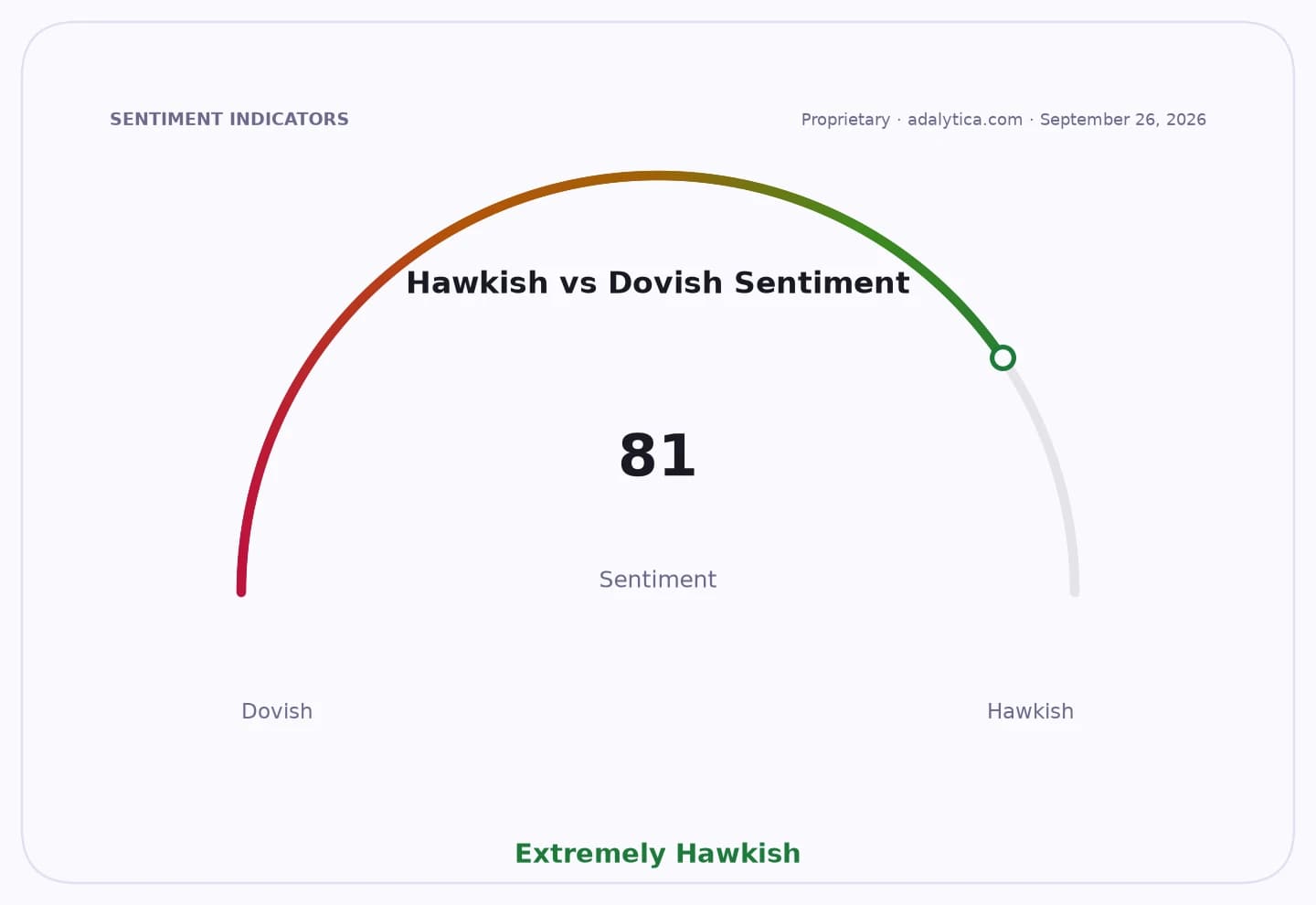
That matters because Bitcoin is trading less like a curiosity and more like a high-beta macro asset. When inflation cools, Treasury yields tend to ease, the dollar can soften and liquidity-sensitive assets usually catch a bid. The 10-year Treasury yield was already hovering around 4.61% to 4.65%, while the fed funds rate sat at 3.63%, leaving policy still restrictive but with room for markets to price a less punitive path if disinflation sticks.
Sentiment IndicatorsⓘProprietary · adalytica.com · July 30, 2026
This is a snapshot — live sentiment, awareness and momentum for 130+ markets update continuously in the dashboard.Open AlphaPulse

The PCE report was particularly important for risk assets because it showed core inflation easing to 3.3%, reinforcing the idea that the Fed may not need to stay as aggressive for as long as feared. That’s supportive for equities, but it is especially potent for Bitcoin, which has become one of the market’s cleanest expressions of declining real-rate pressure and rising liquidity expectations.
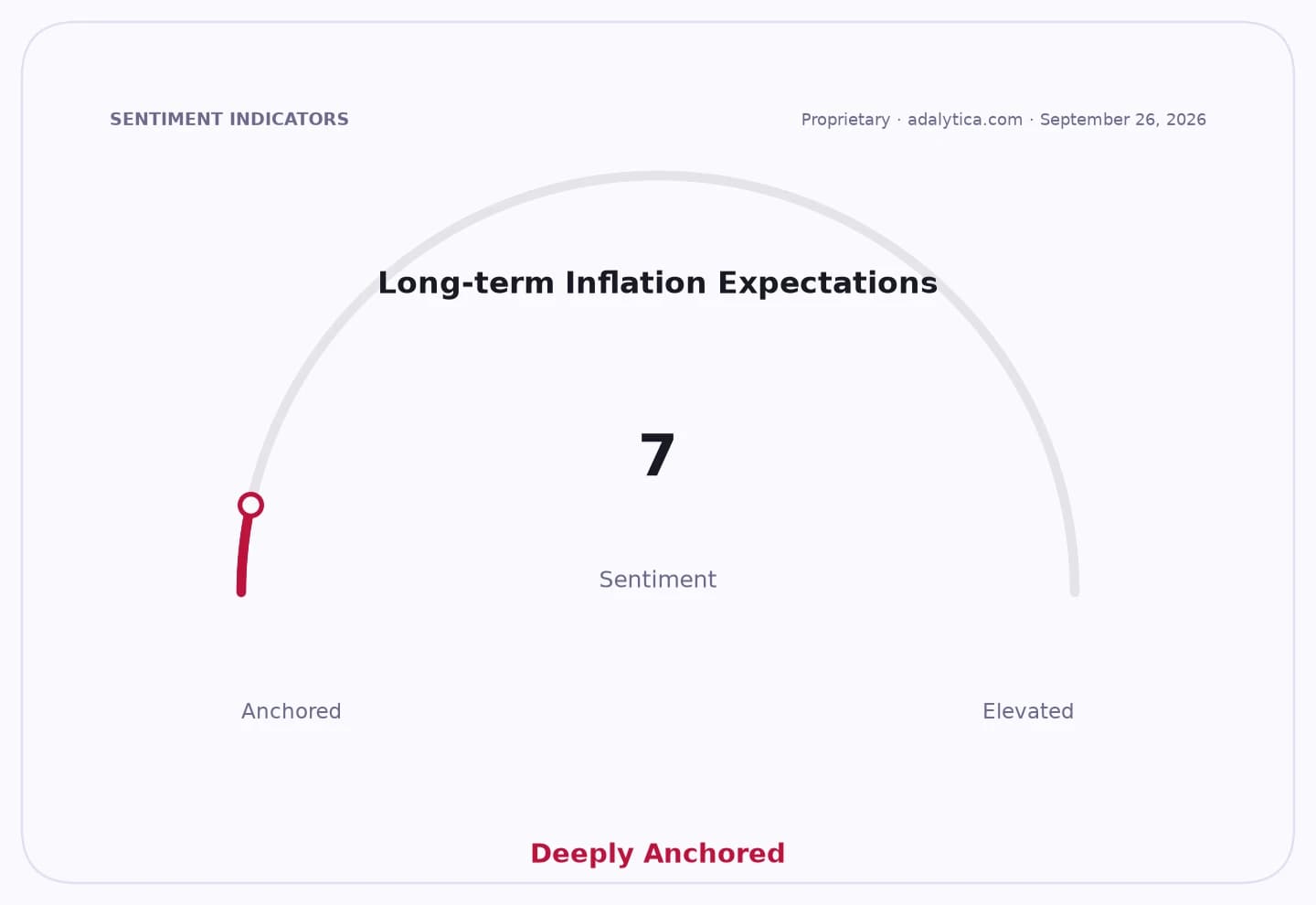
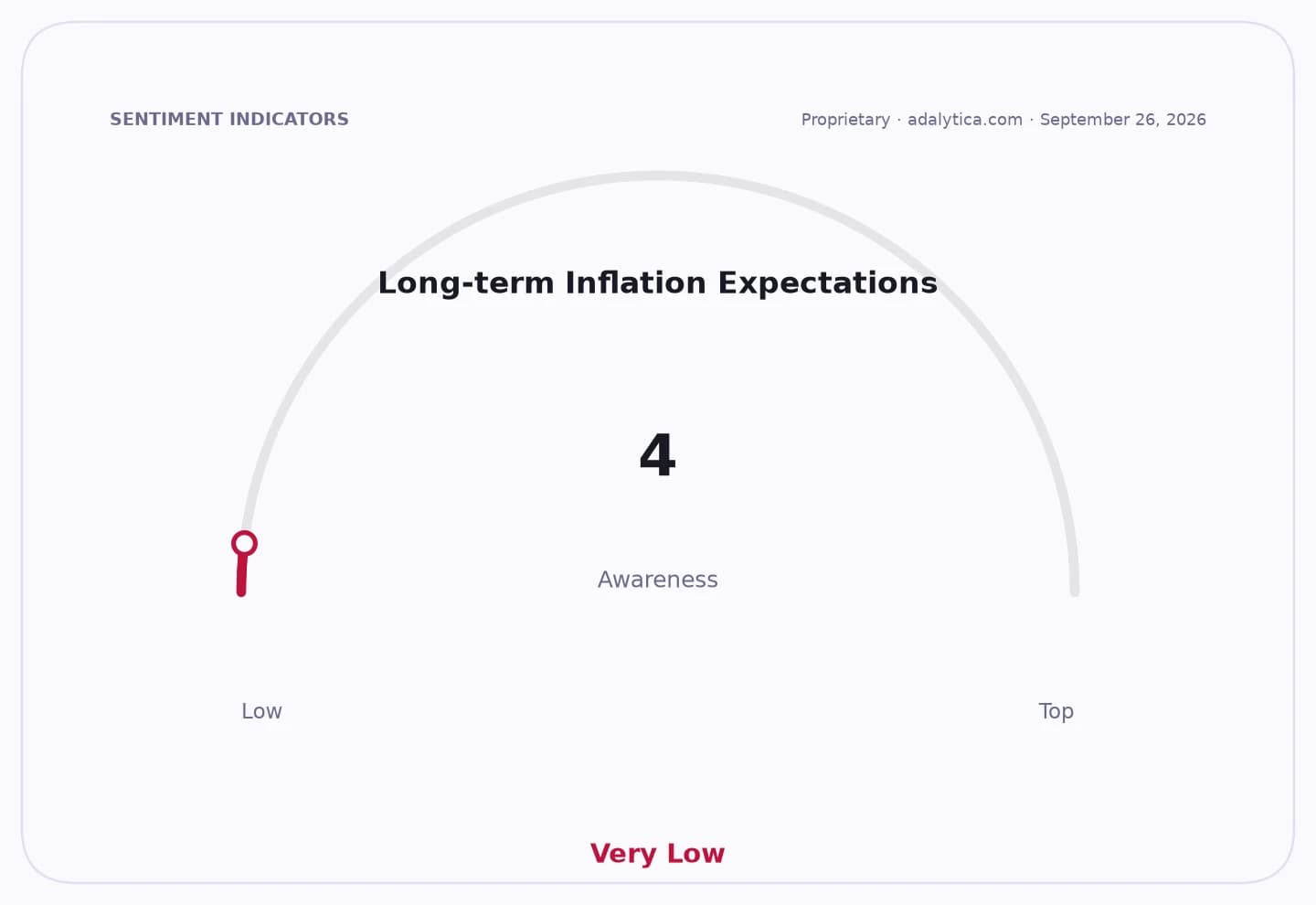
Investors are already voting with their positioning. Adalytica’s trade-signal snapshot showed extreme awareness in both TLT and the S&P 500, suggesting the inflation print is feeding a broad repricing across duration-sensitive assets. Confidence in the Fed’s 2% inflation target also jumped, while long-term inflation fear remained deeply depressed, a setup that historically helps assets tied to falling yields more than it hurts them.
Bitcoin’s own tape supports the macro thesis. BTC-USD was trading around $64,724, above its 50-day moving average of $63,400, with RSI readings near 55 and MACD turning positive, a technical backdrop that suggests the market is trying to build on the macro tailwind rather than fade it. The IBIT ETF, meanwhile, has regained its 50-day moving average after a violent selloff earlier this year, and that matters because spot bitcoin exposure is increasingly the institutional trade of record.
The bigger takeaway is that this is not just about one inflation print. It is about whether the market is entering a regime where disinflation, softer yields and revived rate-cut expectations re-ignite the liquidity bid that powered the last Bitcoin advance. If that narrative holds, the winners are the assets that thrive on cheaper capital and the losers are the parts of the market that depend on perpetually high rates.
For investors, the setup still favors early positioning over late confirmation. Bitcoin, IBIT and other crypto infrastructure names remain levered to the same macro engine: falling inflation, easing yields and a Fed that eventually has less reason to lean against risk. If this PCE downshift proves durable, the next move may not be in rates at all — it may be in the assets most exposed to them.
| Entity | Gains | Losses |
|---|---|---|
| Bitcoin / BTC-USD | ▲Easier liquidity backdrop | ▼Higher-yield regime |
| IBIT | ▲ETF inflows and demand | ▼Passive sidelining |
| Treasury bonds / TLT | ▲Lower yields, rate-cut bets | ▼Inflation surprises |
| High-growth tech / Nasdaq 100 | ▲Valuation support | ▼Tight policy duration pressure |