Bitcoin and Ethereum staged a sharp rebound after Friday’s derivative-led selloff wiped out leveraged positions and pushed Bitcoin to its weakest level since early July, but the real story is that the market is still trading on a knife edge.
Bitcoin rebounds after leveraged crypto selloff
Bitcoin
Bitcoin rose 8.88% to $63,798, after briefly slumping to $55,130, while Ethereum climbed 13.5% to $1,825. The move back higher matters because crypto is once again behaving like a high-beta proxy for risk appetite: when leverage gets flushed out, prices can snap back violently, but the durability of that bounce now hinges on whether U.S. equities stabilize and whether spot Bitcoin ETF inflows return.
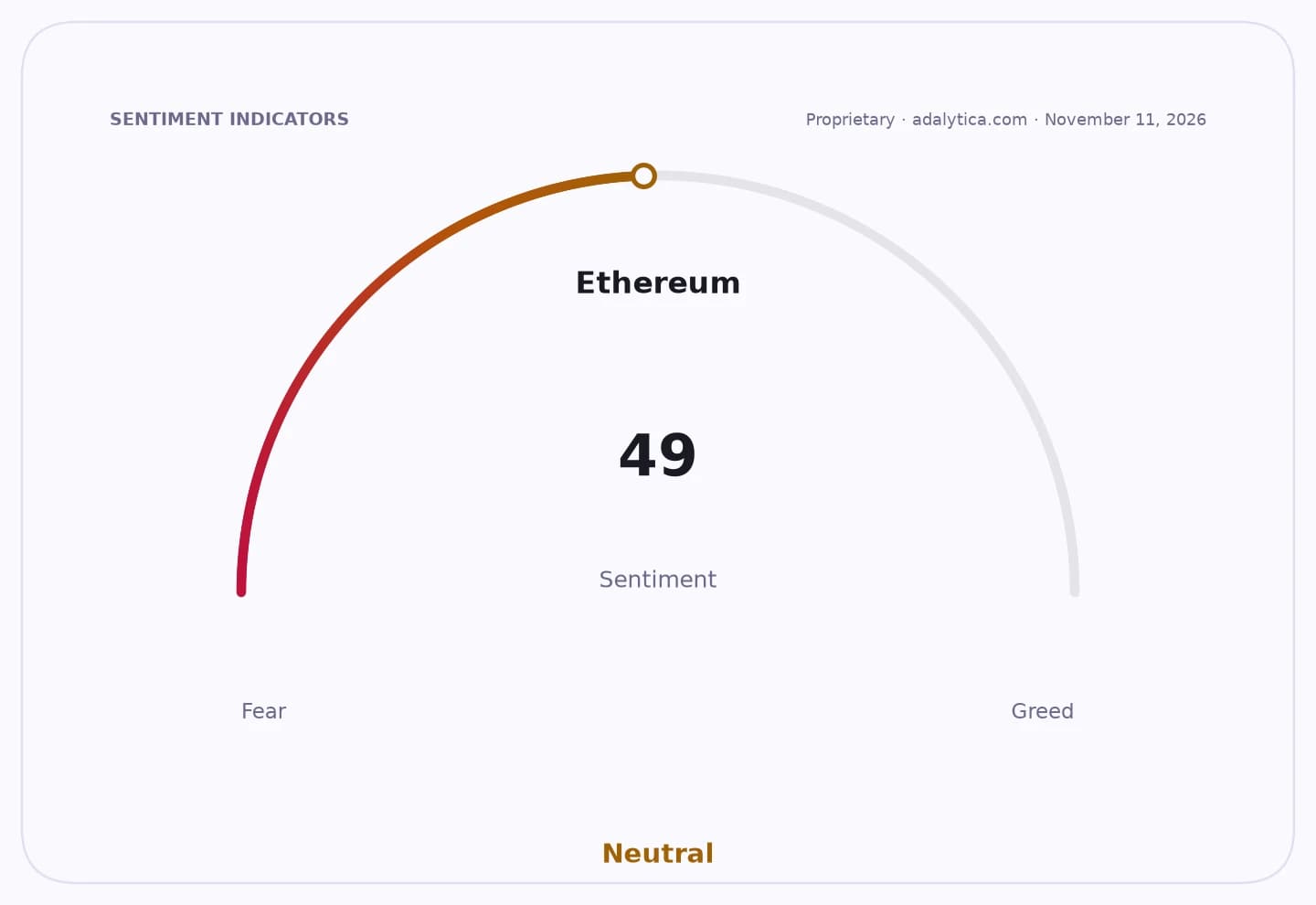
Sentiment Indicators
That makes this more than a one-day technical rebound. The selling hit crypto derivatives first, which is usually where forced liquidation can turn a normal pullback into a cascade. For investors, the key question is whether this was capitulation or the first leg of a deeper deleveraging phase. Bitcoin is still well below its recent levels, and Ethereum’s rally does not erase the underlying fragility in a market where positioning has been crowded, sentiment has deteriorated and liquidity can vanish fast.
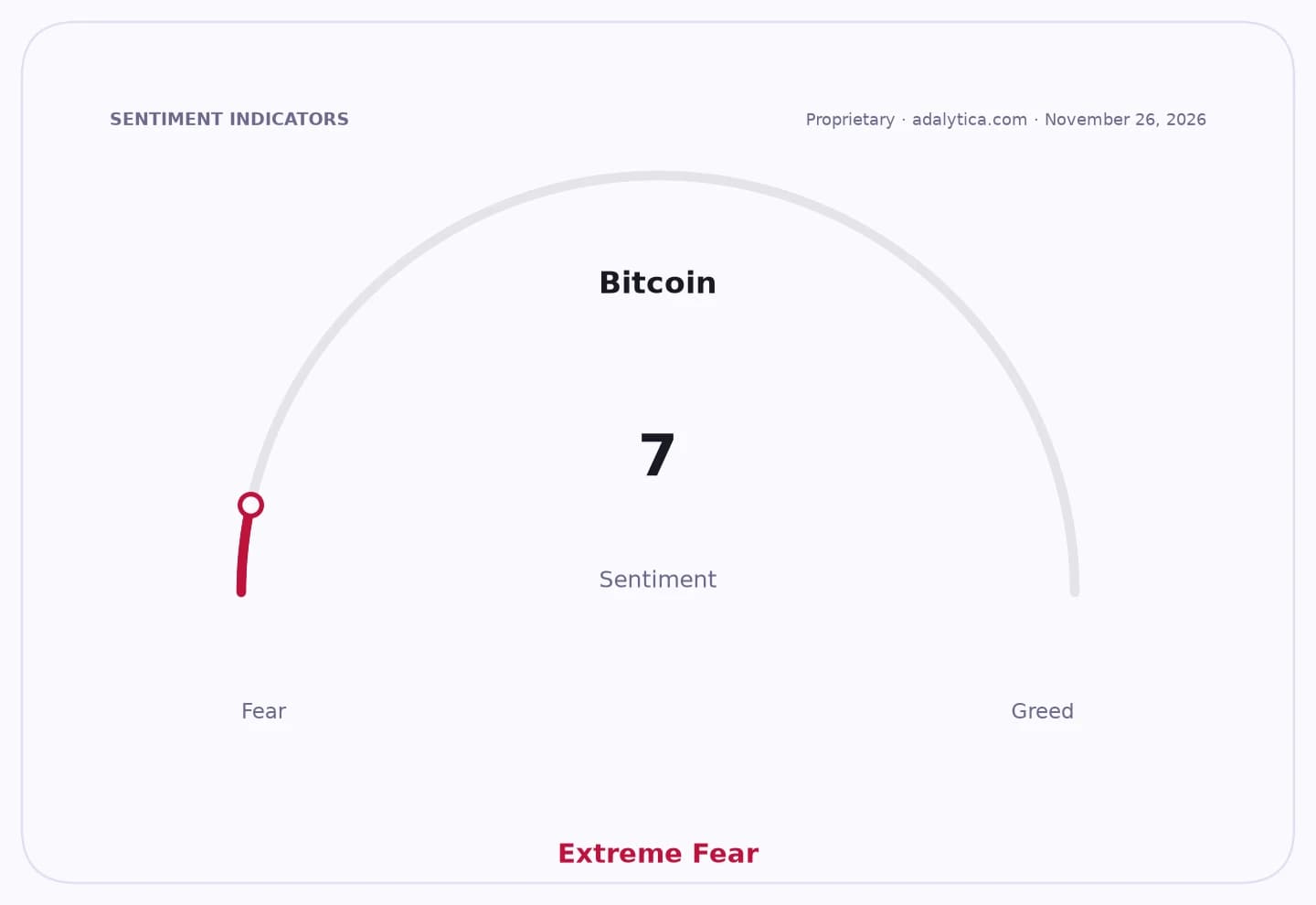
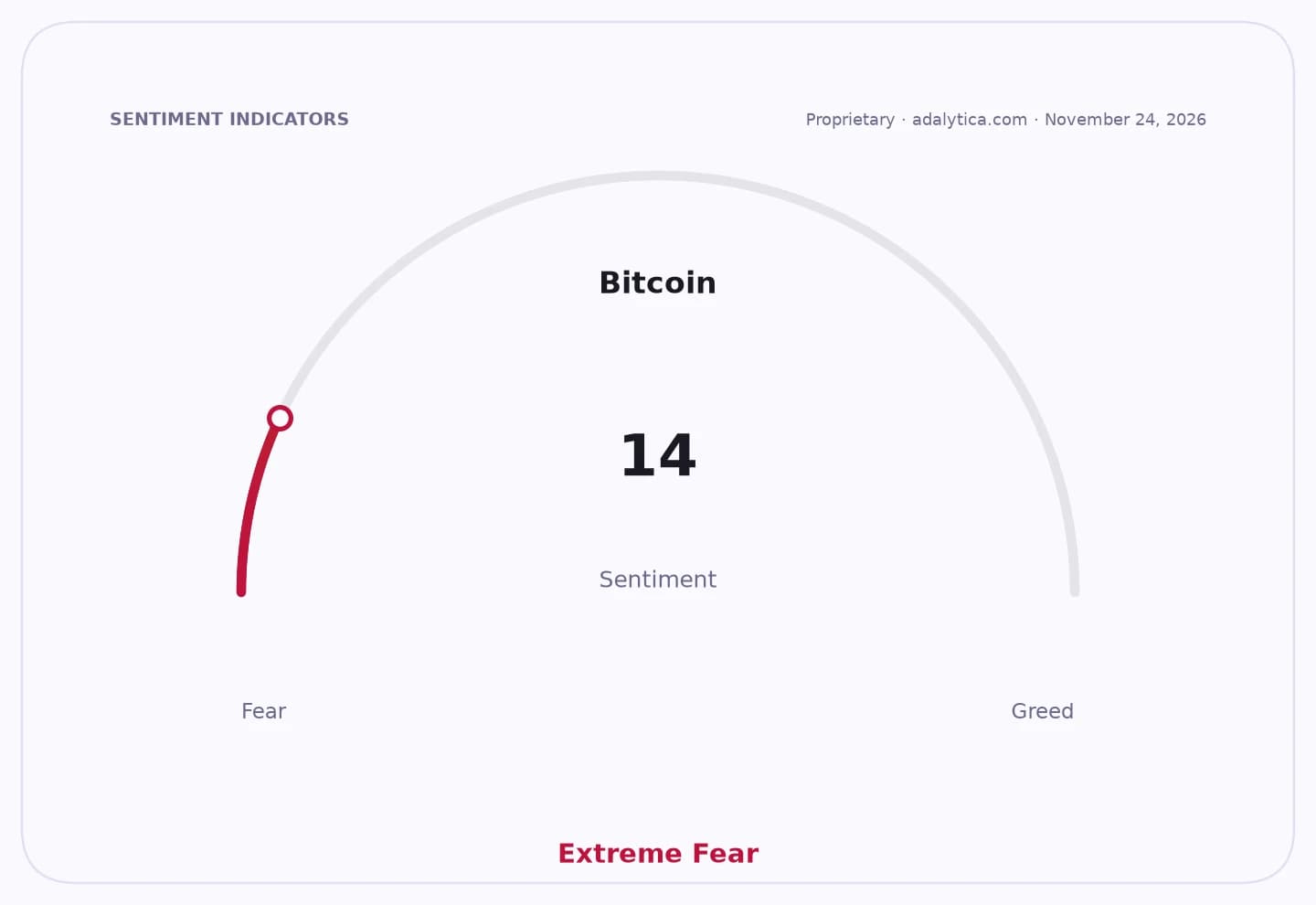
The broader risk backdrop has not fully repaired itself. Adalytica’s Bitcoin Fear & Greed Index still sits at 10, in “Extreme Fear,” while the S&P 500 trade-signal snapshot shows caution even as broader U.S. stocks remain relatively resilient. That matters because crypto no longer trades in isolation: it is tied to equity beta, macro liquidity and the willingness of institutions to keep allocating through ETFs. If tech stocks wobble or ETF flows slow, Bitcoin’s recovery could quickly lose momentum.
There is also a clear second-order effect for crypto-linked equities. Coinbase, which has already been crushed alongside the token selloff, remains highly exposed to the next turn in Bitcoin and Ethereum because trading volumes, derivatives activity and investor engagement all feed directly into revenue. Miners and treasury-heavy crypto names face the same asymmetry: they can rally hard on a rebound, but they also amplify downside when the market de-risks.
The investment takeaway is straightforward. This is a market that has likely cleared out some excess leverage, but not the fear premium. For traders, the bounce can extend if U.S. risk assets hold and ETF demand returns. For longer-term investors, the better setup may be to watch the quality names tied to crypto infrastructure rather than chase the coins after a one-day rebound. If this move sticks, the next leg will likely favor the exchanges, custodians and miners that benefit most when volatility reignites and capital flows back into the asset class.
| Entity | Gains | Losses |
|---|---|---|
| Bitcoin | ▲Short-covering rebound | ▼Leverage flush, extreme fear |
| Ethereum | ▲13.5% price bounce | ▼Derivative selloff spillover |
| Coinbase | ▲Higher trading volume potential | ▼Weak token prices |
| Crypto shorts | ▲Forced liquidations | ▼Violent rebound risk |