Bitcoin held near $64,000, stabilizing after a sharp sell-off as large holders and institutional demand offset selling pressure from shorter-term crypto ETF investors.
Bitcoin Stabilizes as Whale Demand Offsets ETF Selling

The token traded around $64,360 in the latest data, up from an intraday low near $61,646 two sessions earlier. That resilience matters because Bitcoin has been under pressure from a broader retreat in speculative assets, geopolitical tension and a still-unforgiving rates backdrop, with the U.S. 10-year Treasury yield near 4.54% and Federal Reserve policy rates around 3.63%.
Sentiment Indicators

The market reaction points to a split in crypto positioning. Some ETF investors have sold into the decline, while reported Bitcoin ETF inflows of $143 million and whale accumulation of about $16.7 billion suggest longer-horizon buyers are using weakness to add exposure. That divergence has helped keep Bitcoin from breaking decisively lower even after falling well below its 2025 highs.
For investors, the key signal is not that volatility has disappeared, but that forced or nervous selling has so far found buyers. Bitcoin remains below its 200-day moving average of about $73,988, a conventional technical marker that many traders view as evidence the broader trend is still damaged. But it has moved back above its 50-day moving average near $65,146 and its RSI reading around 68.6 shows momentum has recovered sharply from deeply oversold levels seen earlier this year.

Crypto-linked equities and funds are showing the same uneasy rebound. BlackRock’s iShares Bitcoin Trust rose to $36.23 from $35.23 over two sessions, while Grayscale Bitcoin Trust climbed to $49.56 from $48.24. Both remain below their 50-day and 200-day moving averages, underscoring that the ETF complex has not fully repaired the damage from the sell-off.
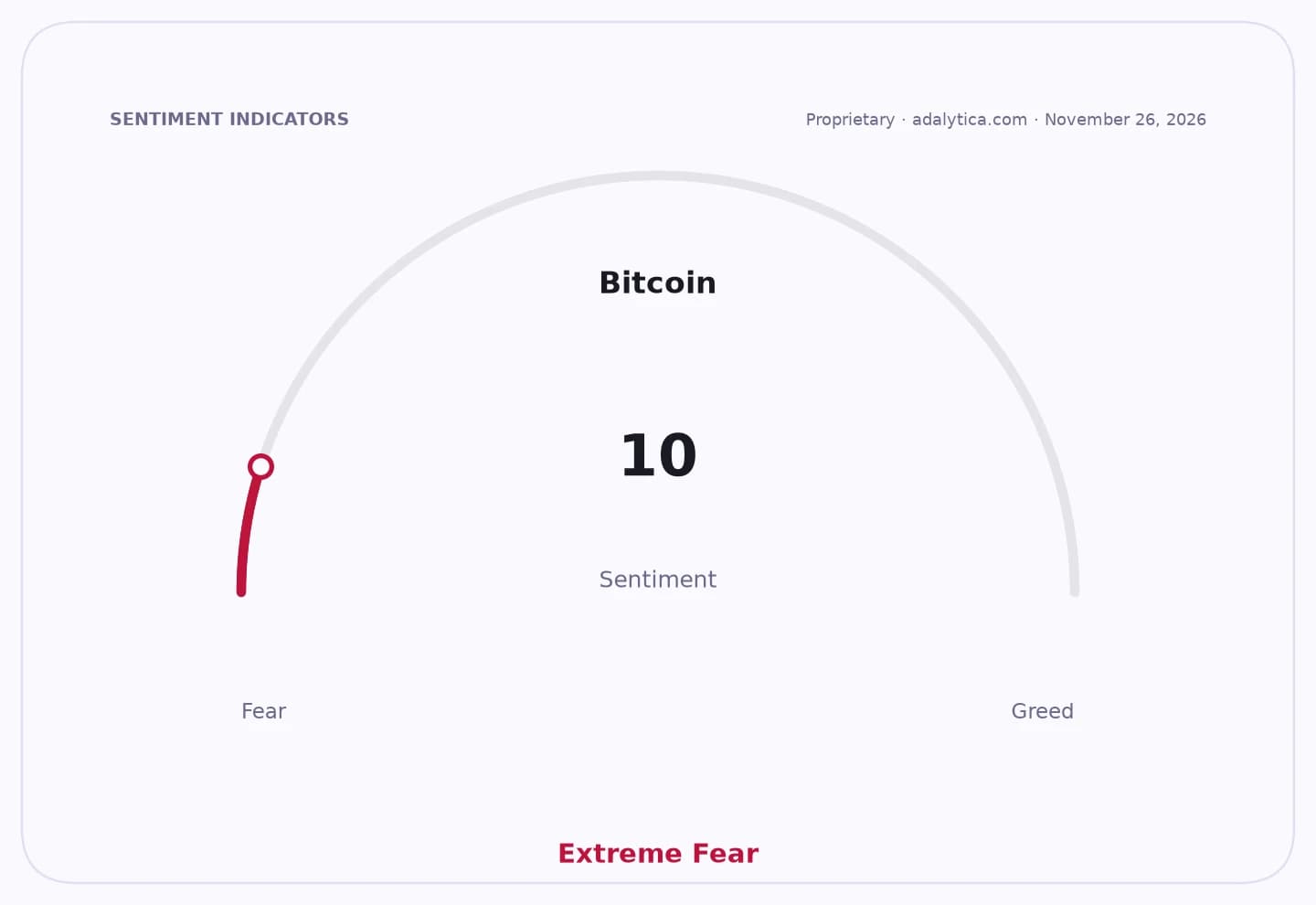
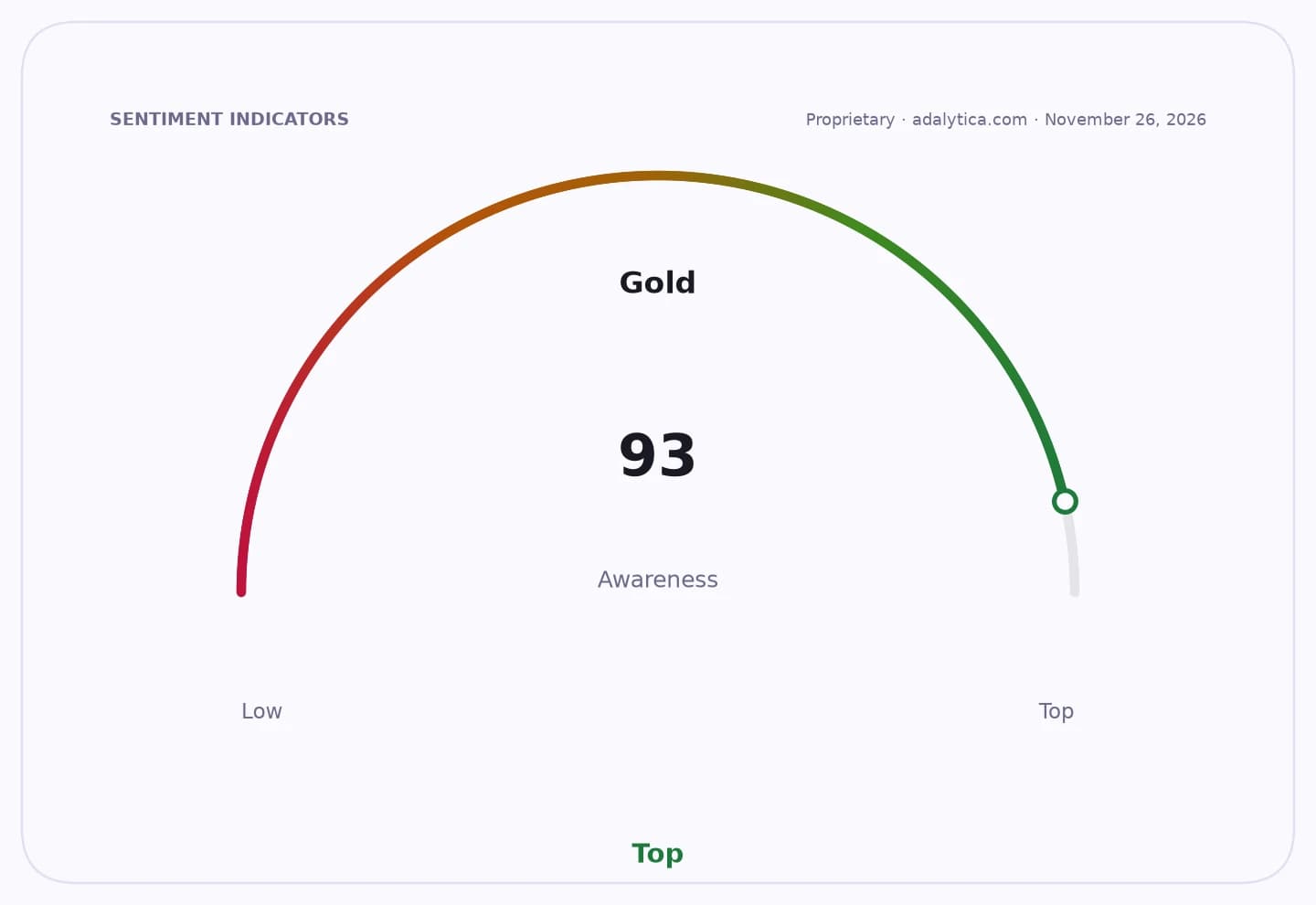
Sentiment has turned more constructive. Adalytica.com’s Bitcoin Fear & Greed Index stood at 75, in “Greed,” up 13 points on the day and 45 points over 30 days. That suggests investors are becoming more willing to absorb volatility, even as awareness remains weak, a sign the rebound may be driven more by committed crypto buyers than a broad retail rush.
The macro setting is still mixed. A stronger dollar typically tightens financial conditions for dollar-priced risk assets, and Adalytica.com’s U.S. dollar sentiment gauge rose to “Greed.” At the same time, M2 money supply has continued expanding, reaching $23.05 trillion in May with a forecast for a further rise in June, a backdrop that can support liquidity-sensitive assets such as Bitcoin if risk appetite holds.
Corporate signals are more cautious. Strategy, formerly MicroStrategy, disclosed it sold 1,363 Bitcoin for about $80.8 million at an average price of $59,256 as of late June, a notable move from one of the best-known corporate Bitcoin holders. Coinbase has also warned in filings that crypto asset prices remain volatile and that its own crypto holdings expose it to market risk.
Bitcoin’s ability to stay near $64,000 now hinges on whether ETF flows stabilize and whale accumulation continues. A sustained move back above longer-term trend levels would strengthen the case that the latest sell-off has been absorbed; renewed outflows or a jump in yields would leave the market vulnerable to another test of the low-$60,000 area.
| Entity | Gains | Losses |
|---|---|---|
| Bitcoin dip buyers | ▲Cheaper accumulation | ▼Near-term volatility |
| ETF sellers | ▲Reduced downside exposure | ▼Miss rebound potential |
| Crypto ETFs | ▲Stabilizing demand | ▼Assets below trend |
| Dollar bulls | ▲Higher real-yield support | ▼Risk-asset rotation |