The black market dollar is losing value because people who hold dollars are getting impatient, and that impatience is starting to matter more than the old instinct to hoard cash.
Black Market Dollar Weakness Signals Local Relief
That may sound like a street-level currency story, but it has real economic meaning. When informal dollar demand eases, it usually means buyers are less willing to pay up for hard currency as a store of value. In practice, that can cool a parallel market, narrow the gap between official and unofficial exchange rates, and temporarily reduce the panic premium built into daily pricing. For households and businesses that rely on the dollar as a hedge against inflation, it also changes behavior: some rush to sell, others wait, and that can accelerate short-term swings.
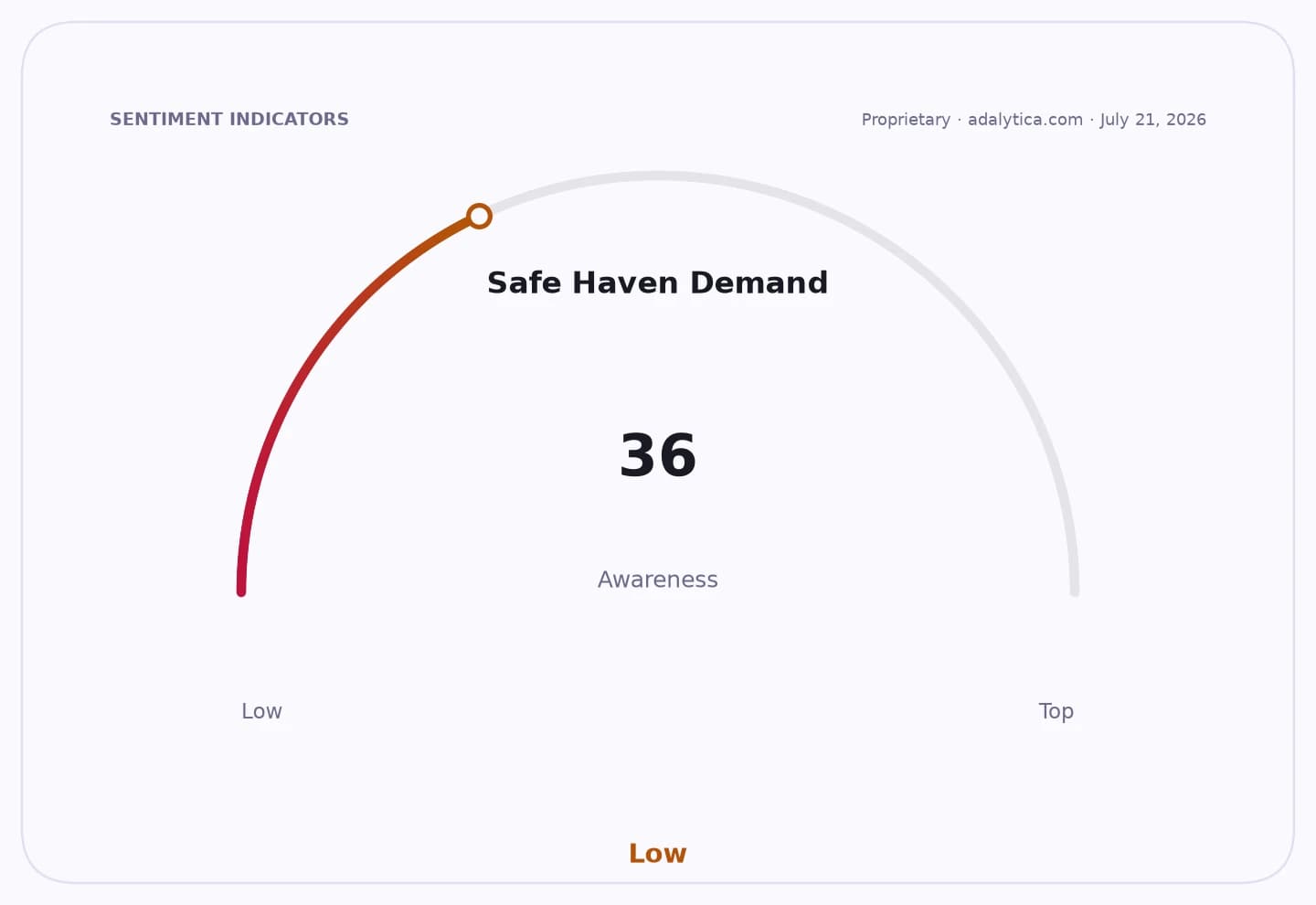
Sentiment IndicatorsⓘProprietary · adalytica.com · July 21, 2026
This is a snapshot — live sentiment, awareness and momentum for 130+ markets update continuously in the dashboard.Open AlphaPulse
The bigger picture is that the dollar is still being pulled by a mix of inflation, policy expectations and geopolitical tension. U.S. Treasury yields around 4.5% suggest the dollar still has support from interest-rate differentials, while the U.S. inflation backdrop remains elevated enough to keep investors focused on the Federal Reserve’s next move. At the same time, credit-market gauges show high-yield spreads near 2.7 percentage points, a sign that global risk appetite has not collapsed but remains fragile. When investors are nervous, the dollar tends to stay important — even if it is weakening in some informal markets.
For long-term investors, the key lesson is that not all dollar weakness is the same. A sliding black market rate can reflect local frustration, a change in cash demand, or a brief repricing of expectations rather than a clean shift in the global reserve-currency story. That is why the move matters less as a trading signal and more as a reminder that currency markets are often driven by trust, policy credibility and inflation psychology. Those forces can change quickly, especially in economies where people have learned to move before the next devaluation.
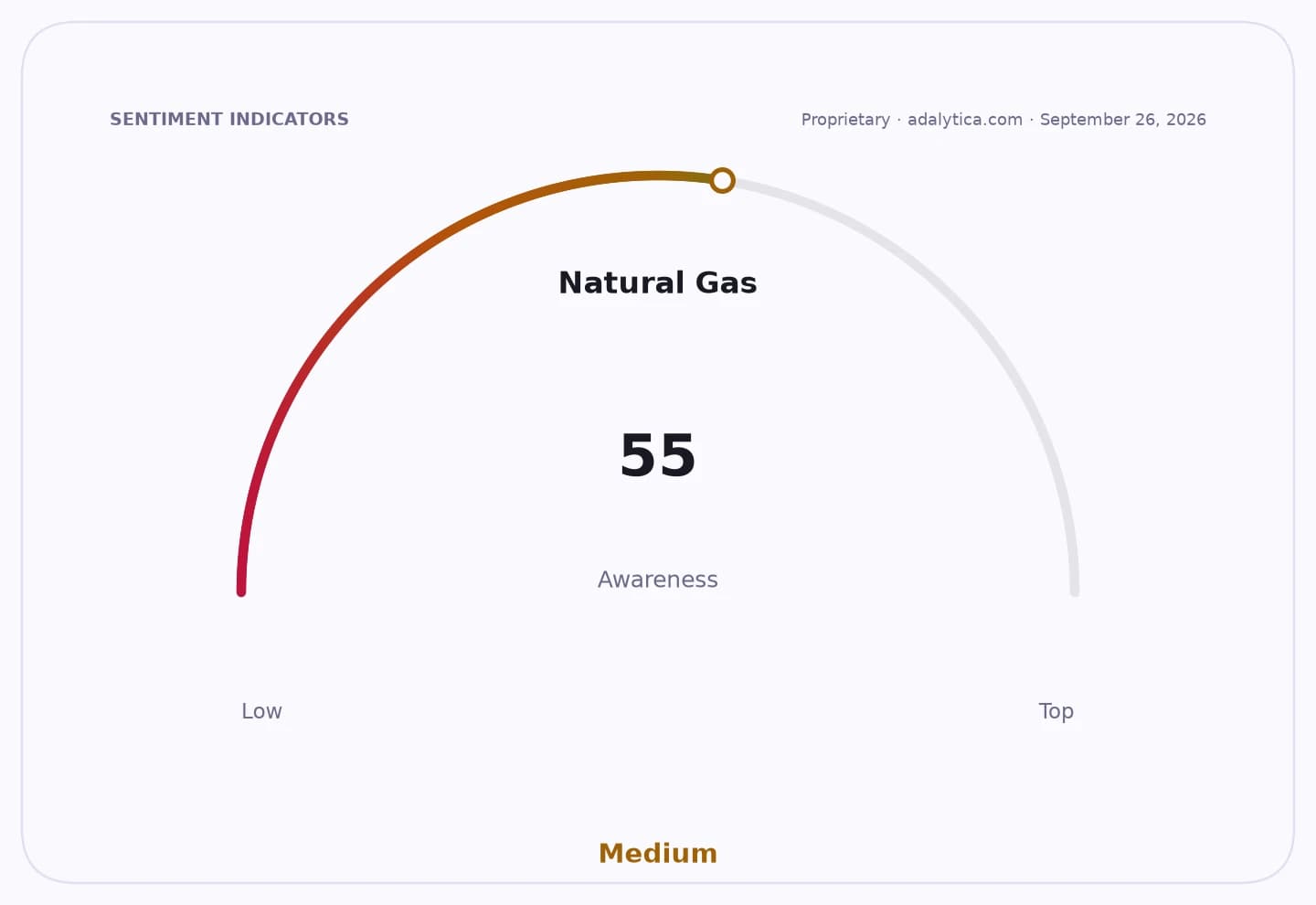
Adalytica’s U.S. Dollar Trade Signals remain neutral, suggesting this is not yet a one-way macro trend. But the surge in safe-haven trading signals and the deep drop in global stability sentiment show investors are still looking for protection. That combination usually favors patience over speculation. If you are investing for the next 3 to 10 years, the smarter response is to stay diversified, focus on businesses with pricing power and dollar-linked revenues, and avoid mistaking a temporary slide in the black market dollar for a permanent break in the currency regime.
| Entity | Gains | Losses |
|---|---|---|
| Local buyers of dollars | ▲Better entry points | ▼Less urgency to hedge |
| Dollar holders | ▲Can sell into rallies | ▼Buying power erodes |
| Businesses with local-currency costs | ▲Lower immediate FX pressure | ▼Imported input costs can still rise |
| Importers and savers | ▲Temporary relief from panic pricing | ▼Exposure if the currency weakens again |