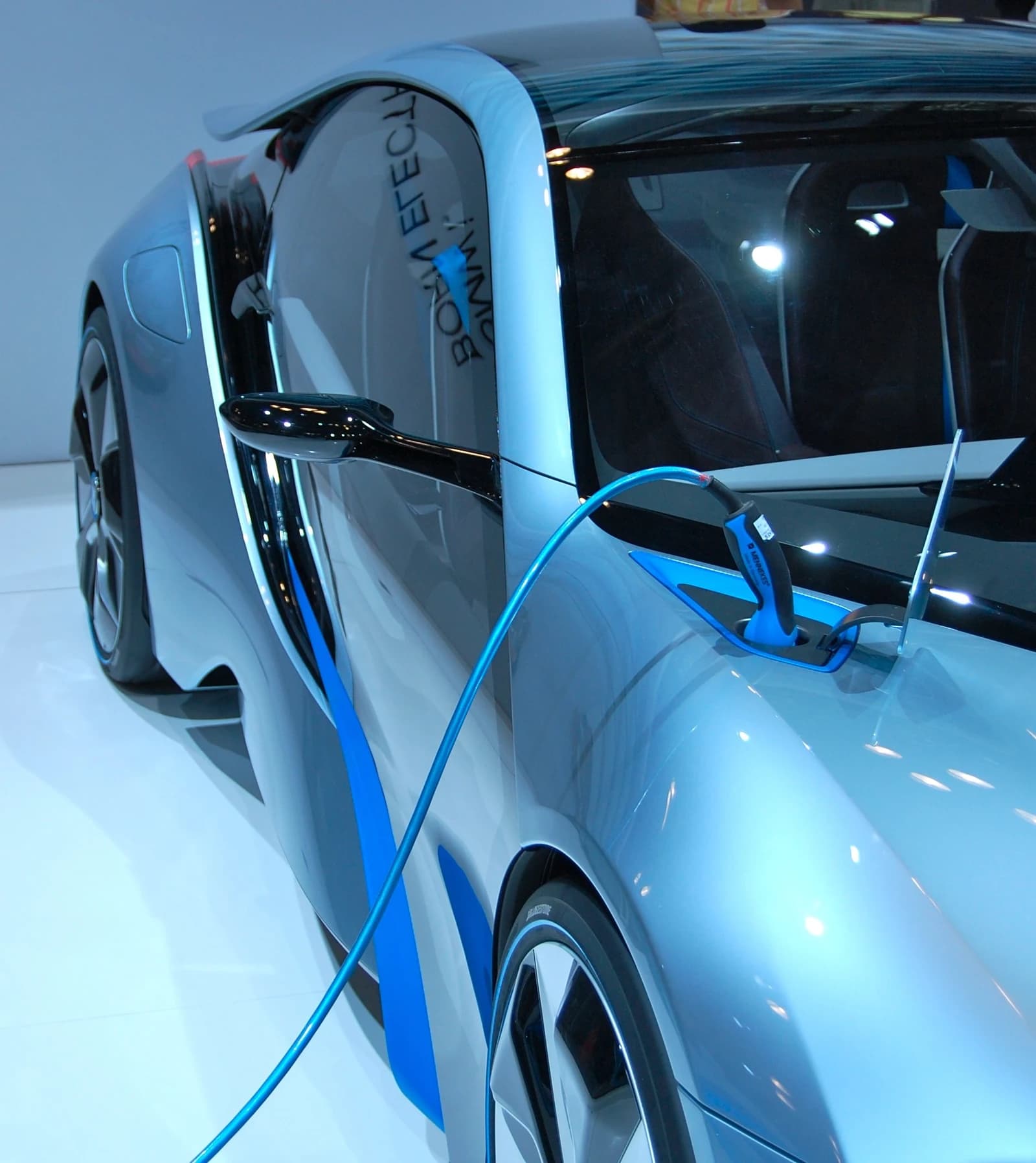
BMW is preparing to eliminate 8,000 jobs, a sign that Europe’s premium auto industry is moving deeper into restructuring as German peers Mercedes-Benz and Volkswagen also push through cost cuts to protect margins in a weak market.
BMW Plans 8,000 Job Cuts Amid Auto Restructuring
The scale of the planned reductions matters because the industry is no longer just trimming excess capacity at the margins; it is confronting a structural squeeze from slowing demand, fierce Chinese competition, high labor costs and the expensive shift to software and electric vehicles. For Germany, where carmakers anchor exports, supplier networks and industrial employment, every large layoff plan feeds directly into growth, wages and political pressure.
Sentiment IndicatorsⓘProprietary · adalytica.com · August 1, 2026
This is a snapshot — live sentiment, awareness and momentum for 130+ markets update continuously in the dashboard.Open AlphaPulse
For investors, the message is that earnings protection now depends on deeper restructuring rather than a quick cyclical rebound. BMW, Mercedes and Volkswagen are all trying to defend profitability while funding battery, software and automation spending, a combination that can pressure cash flow and delay returns if volume growth stays weak.
The comparison with Nokia reflects a broader fear that established industrial champions can lose relevance if they fail to adapt fast enough to a technology reset. In autos, the threat is not a handset-style collapse, but a slower erosion of pricing power and market share as Chinese rivals gain ground and legacy groups struggle to simplify bloated cost bases.
Mercedes-Benz shares in New York were last around $13.48, below the 200-day moving average of $14.93, even after a recent rebound from March lows. The stock’s recent swings, along with broad U.S. market “extreme greed” readings from Adalytica’s S&P 500 trade signals, suggest investors are still willing to back turnaround stories — but only if management can show that cuts translate into stronger margins and better free cash flow.
The next catalyst is whether BMW follows through with a credible multi-year restructuring plan and whether German labor and political resistance slows implementation. Any sign that layoffs are spreading beyond BMW to more suppliers would reinforce the view that Europe’s auto sector is entering a prolonged reset rather than a short-term downturn.
| Entity | Gains | Losses |
|---|---|---|
| BMW | ▲lower fixed costs | ▼labor unrest |
| Mercedes-Benz | ▲peer-driven cost discipline | ▼pressure to cut more |
| Volkswagen | ▲industry restructuring cover | ▼higher restructuring burden |
| Workers and suppliers | ▲severance and support packages | ▼job losses and weaker orders |