BMW is preparing to bring its driver-assistance systems into German cities from 2027, a move that could widen the market for one of the auto industry’s most important long-term product upgrades: software that makes cars easier to use, safer and potentially more profitable to sell.
BMW City Driver Assistance Plans for 2027
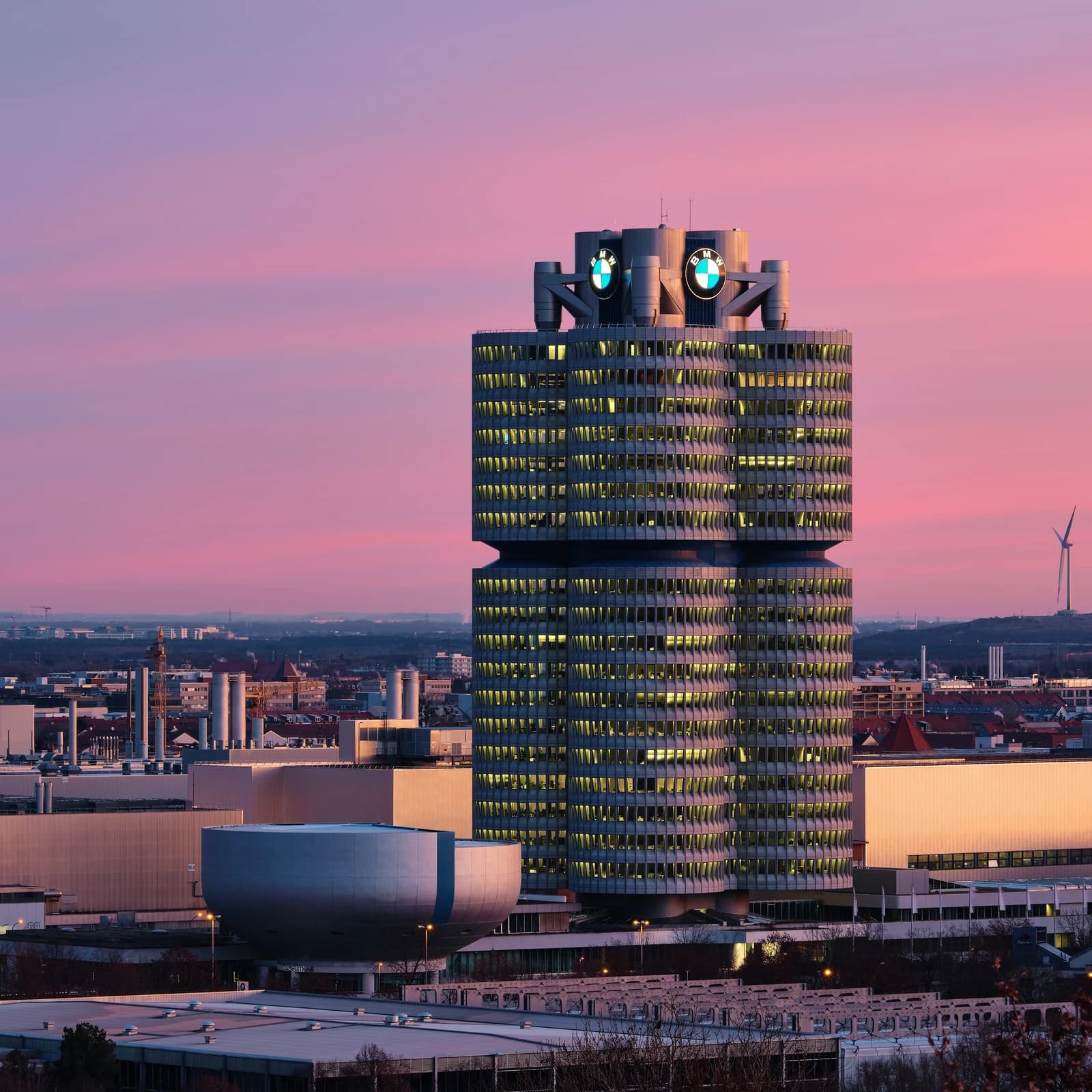
For investors, the significance is bigger than a feature launch. If BMW can move beyond highway assistance and into urban driving support, it strengthens the company’s case as a premium automaker with credible software and autonomy ambitions, not just a hardware manufacturer fighting on price and volume. That matters in a sector where margins are under pressure and where the next competitive edge may come from technology that can be monetized across multiple model lines and markets.
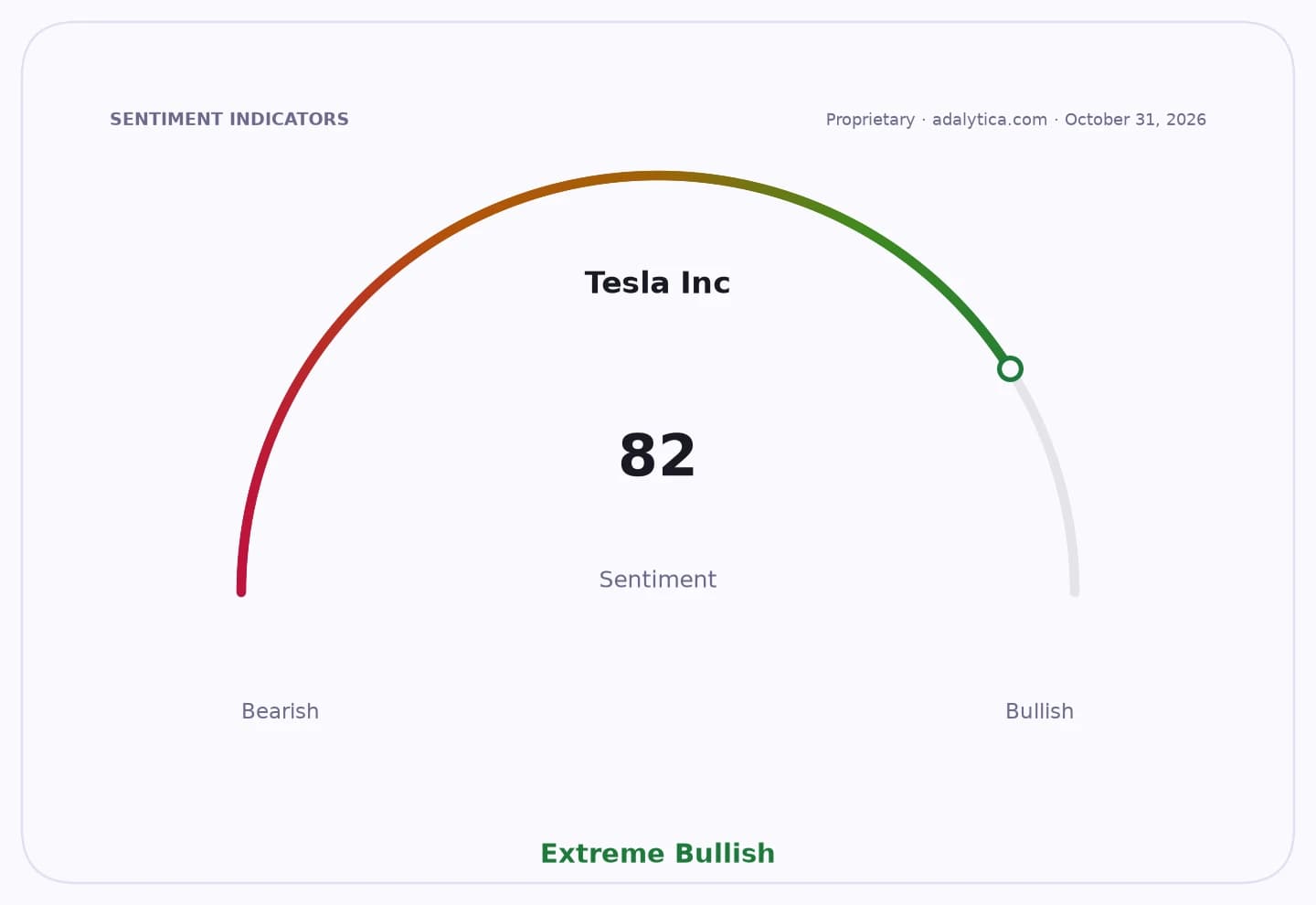
Sentiment Indicators

BMW said the system will help drivers with turns, lane changes and roundabouts in cities, while following the route chosen in the navigation system. The car already handles stopping and starting at traffic lights on its own. The company has also completed the independent testing it needed, and says a 2027 approval framework for highly automated functions should make legalization possible.
That approval, however, is still pending, and that remains the key risk. Autonomous features in Europe have often moved more slowly than automakers hope because regulators are balancing safety, liability and public trust. BMW’s rollout will also start at home before being expanded to other countries, so the commercial benefit is likely to build gradually rather than arrive all at once.
Still, the direction of travel is clear. Premium buyers increasingly expect advanced driver assistance as standard equipment, and automakers that can prove these systems work reliably in dense traffic stand a better chance of protecting pricing power. Over time, that can support higher vehicle values, stronger customer loyalty and more opportunities for software-related revenue.
The broader industry message is just as important. BMW’s move shows the race for autonomous capability is shifting from futuristic headlines toward practical, regulated features that can be sold to everyday drivers. For long-term investors, that is exactly the kind of incremental progress that can compound into a stronger business model over years, not weeks. BMW belongs on the watchlist as it tries to turn autonomy from a promise into a product.
| Entity | Gains | Losses |
|---|---|---|
| BMW | ▲Tech credibility; premium pricing power | ▼Regulatory delay risk |
| Premium buyers | ▲Easier, safer city driving | ▼Higher vehicle costs |
| Competitors lagging in ADAS | ▲— | ▼Share gains if BMW executes first |
| Regulators | ▲Safer testing framework | ▼Pressure to approve cautiously |