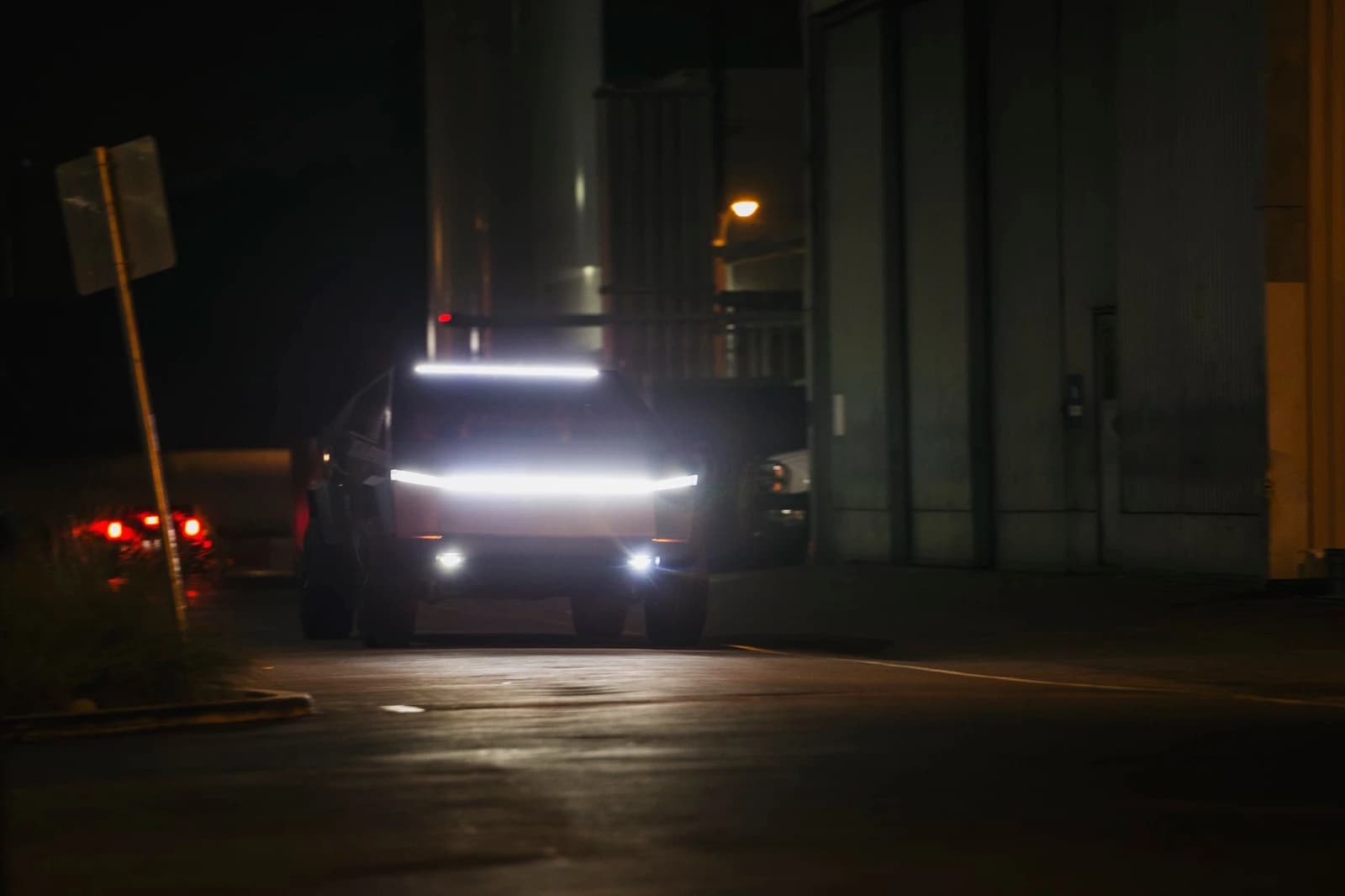
Tesla’s push to sell a car without a steering wheel this year marks a more consequential step than another product teaser: it would convert the company’s autonomy story from a software promise into a regulated, mass-market hardware bet. If Tesla can ship a vehicle designed to operate without conventional driver controls, it strengthens the case for a service-driven business model and opens a new revenue pool beyond traditional EV sales. If it cannot, the delay would underscore how far the company still is from turning autonomous driving into a scalable consumer product.
Tesla steering-wheel-free car and autonomy push
Tesla Inc
The economic significance is straightforward. Tesla is trying to move from selling high-priced vehicles to monetizing software, fleet utilization and ride-hailing-like economics. In its latest 10-Q, the company said launches of Cybercab and Tesla Semi, along with production ramps at new battery and materials facilities, are part of a broader push toward a service-driven model. That matters because autonomous vehicles potentially generate recurring revenue from software, fleet operations and data rather than one-time margins on car sales. For Tesla, that could be the difference between being valued as an automaker and being valued more like a platform business.
Sentiment Indicators
Investors are likely to focus on execution risk as much as ambition. The stock has rebounded sharply, with Tesla closing at $399.81 on Oct. 30, above its 50-day moving average of $369.60 and its 200-day average of $385.30, while the 14-day RSI at 59.7 suggests the shares are no longer oversold. Adalytica’s Tesla Earnings Sentiment snapshot also shows a sharply elevated reading of 82, or “Greed,” after a 74-point jump over 30 days, indicating enthusiasm around the autonomy narrative has returned. That sets a high bar: any missteps in deployment, safety validation or regulatory approval could trigger a sharp reset.
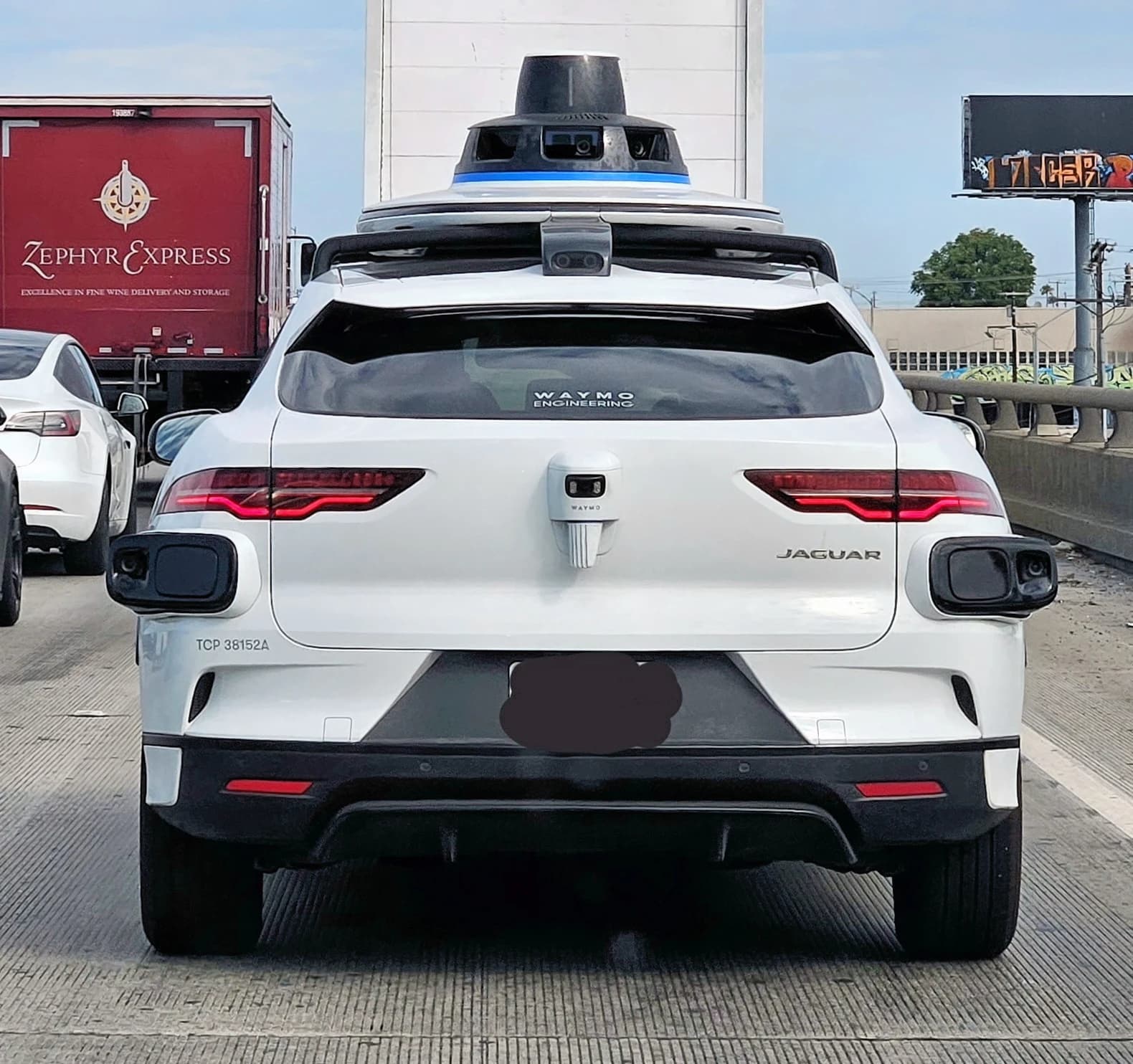
The promise of a steering-wheel-free vehicle also raises the stakes for the wider autonomous-driving sector. Tesla is not alone in betting on driverless systems, but it is one of the few with enough brand recognition and manufacturing scale to turn a concept into a consumer product. The upside case is that Tesla uses its vehicle fleet, software stack and vertically integrated manufacturing base to create a defensible autonomy ecosystem. The bear case is that the product remains constrained by regulation, safety requirements and technical edge cases, particularly in complex urban settings where autonomous systems have struggled.
That backdrop is especially important after recent incidents in the broader driverless-vehicle space, including a crash involving a driverless truck in Germany that damaged a construction crane and renewed scrutiny of autonomous systems in difficult environments. It is also reflected in the market’s uneven treatment of the AI and autonomy trade: while investors have chased names tied to artificial intelligence, Adalytica’s separate AI sentiment reading has fallen to 18, or “Fear,” showing that enthusiasm can swing quickly when execution risks come back into view.
For Tesla, the key question is no longer whether autonomy is strategically important, but whether it can be commercialized on a timetable that investors can underwrite. A steering-wheel-free car would be a powerful proof point if Tesla can sell it this year. If not, the delay would remind the market that the company’s most valuable story is still dependent on engineering, regulation and public trust — all of which are harder to scale than a headline.
| Entity | Gains | Losses |
|---|---|---|
| Tesla | ▲Autonomy narrative, potential new recurring revenue | ▼Delivery risk, regulatory scrutiny |
| Tesla bulls | ▲Expansion of robotaxi/service thesis | ▼Higher valuation risk if launch slips |
| Legacy automakers | ▲Slower shift in consumer expectations | ▼Pressure to match autonomy investment |
| Regulators and safety advocates | ▲More testing focus | ▼Less comfort with rapid deployment |