Tesla is turning its boldest autonomy promise into a real-world test of whether consumers and regulators are ready to accept a car with no steering wheel at all.
Tesla Cybercab deliveries eyed before end of 2026
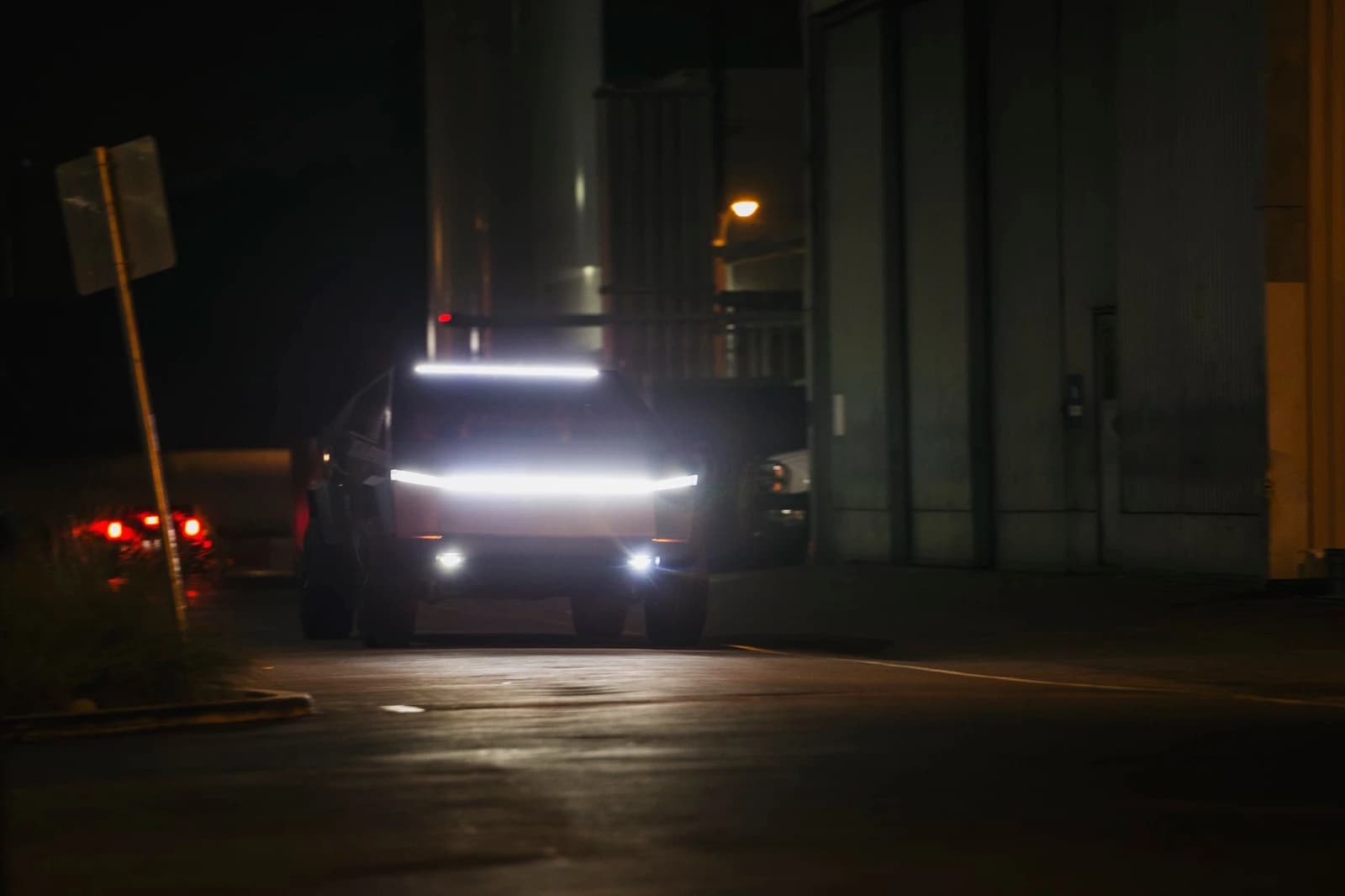
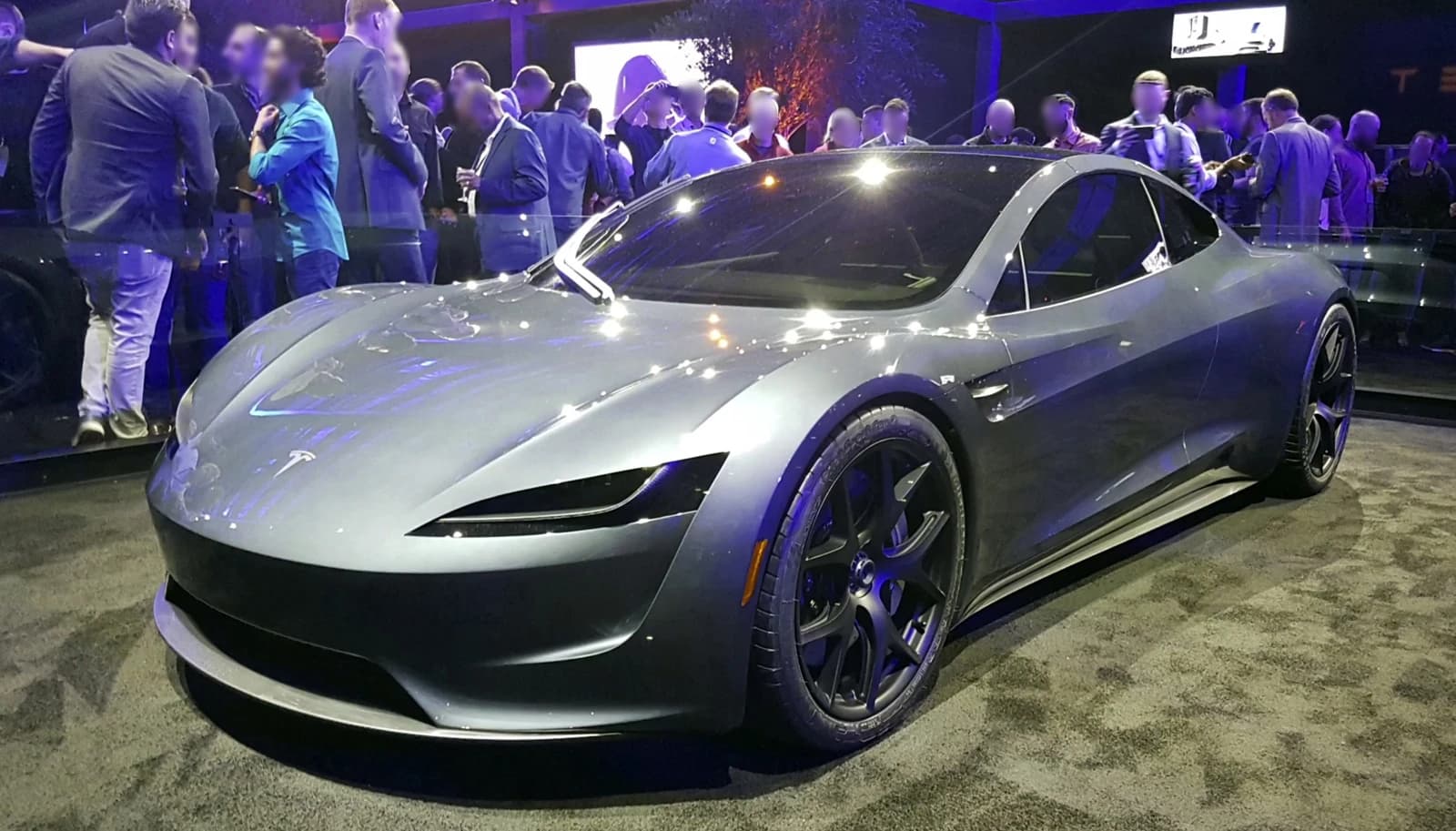
The company says it wants to begin delivering its Cybercab to customers before the end of 2026, a timeline that would move the two-seat vehicle from concept to limited ownership faster than most investors expected. That matters because Cybercab is not just another Tesla model. It is a direct wager that the company’s future growth will come less from selling conventional electric vehicles and more from autonomous driving, robotics and artificial intelligence.
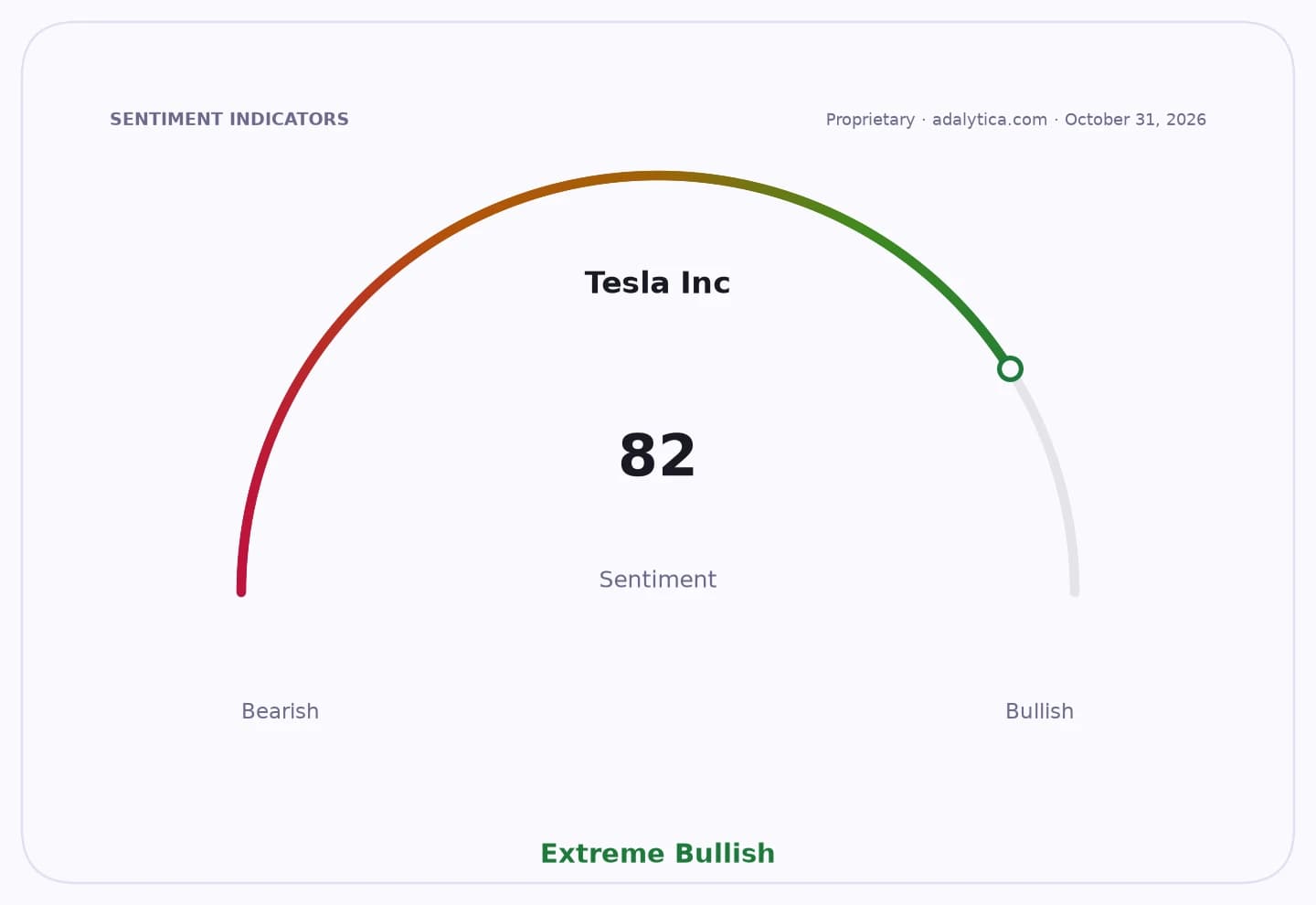
Sentiment Indicators
Tesla Inc
For investors, the significance goes beyond the novelty factor. A car without pedals, mirrors or a steering wheel would be one of the clearest commercial proofs yet of Tesla’s vision for fully driverless transportation. It would also put the company in the middle of a regulatory and safety debate that has barely begun to catch up with the technology. The National Highway Traffic Safety Administration is already reviewing how Tesla concluded Cybercab meets federal safety rules, underscoring how much work remains before the vehicle can move from prototype to product.
Tesla vice president of vehicle engineering Lars Moravy said during the company’s third-quarter earnings call that the company hopes to start with a handful of customer deliveries before expanding. Elon Musk later suggested most Cybercabs will remain in Tesla’s own fleet rather than become a mass-market replacement for the Model 3 or Model Y. That framing is important. If Musk is right, Cybercab may function less like a standard consumer car and more like the backbone of a transportation-as-a-service business.
That model could be far more valuable over time. Tesla would control more of the economics if it owns the cars, manages the software and collects the ride revenue. For long-term shareholders, the upside is obvious: autonomy can turn a cyclical automaker into a platform business with recurring cash flow. But the risks are just as real. A safety failure, a regulatory setback or a consumer backlash against surrendering control entirely could slow adoption.
Tesla shares have already shown investors are willing to pay for that future. The stock recently traded above its 50-day moving average and 200-day moving average, with momentum indicators such as RSI and MACD pointing to renewed strength. Adalytica’s Tesla earnings sentiment also sits in “Greed” territory, suggesting the market is leaning into the story even before the product ships.
That is why Cybercab matters. Tesla is no longer just selling the promise of electric cars. It is asking investors and customers alike to believe that the next great automotive business may not need a steering wheel at all. For patient investors, it is worth watching closely, because if Tesla can make this work, the long-term compounding opportunity could be enormous.
| Entity | Gains | Losses |
|---|---|---|
| Tesla | ▲Autonomous platform upside | ▼Legacy EV-only thesis |
| Investors | ▲Potential software-like margins | ▼Regulatory and execution risk |
| Regulators | ▲Safety oversight relevance | ▼Pressure to approve quickly |
| Competitors | ▲Clearer autonomy benchmark | ▼First-mover pressure |