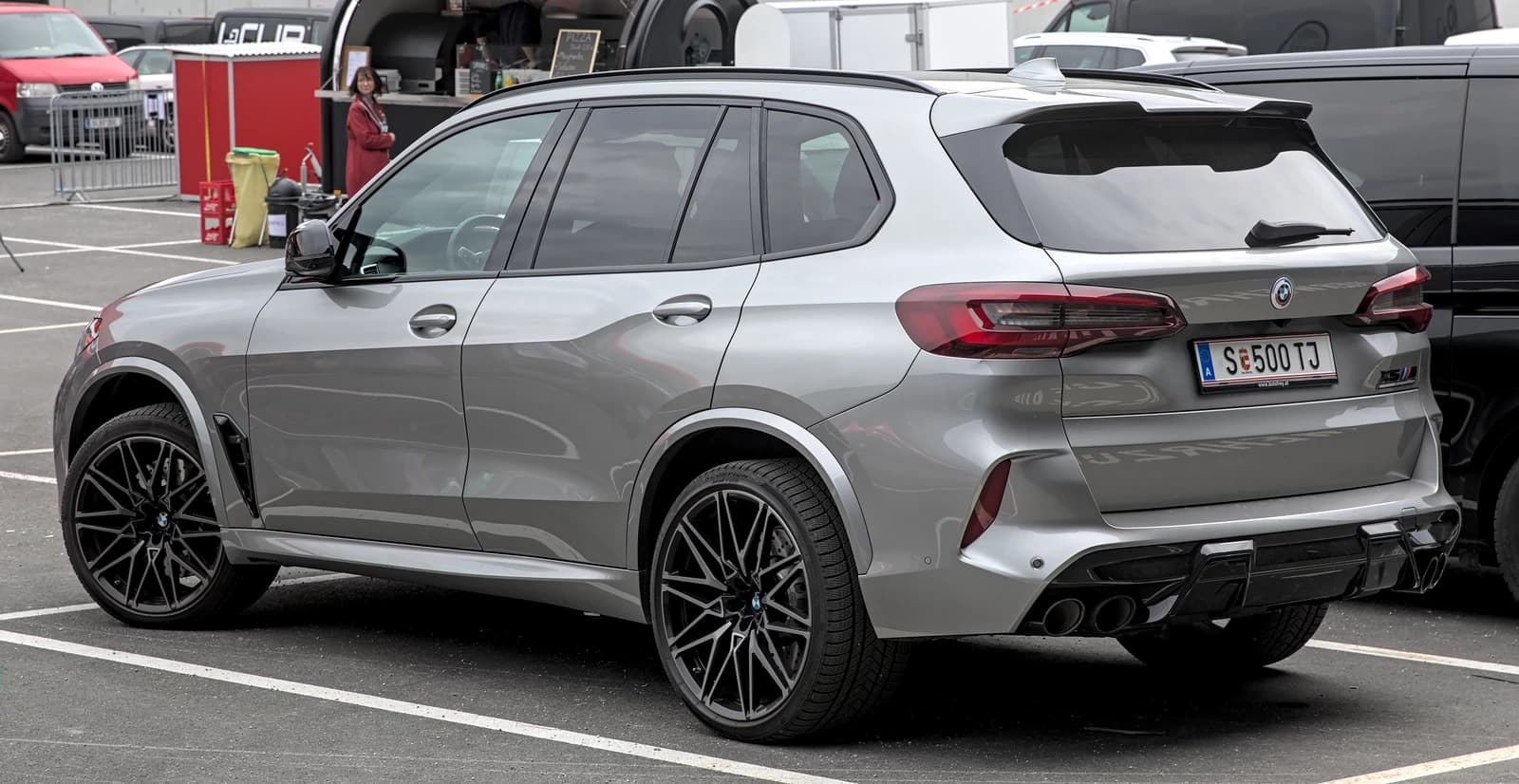
BMW is preparing to enter one of the auto industry’s most profitable niches: the ultra-premium off-road SUV, a move that could give investors a fresh long-term growth story if the company can turn the Mercedes-Benz G-Class formula into a BMW product.
BMW Plans G74 Off-Road SUV for 2029
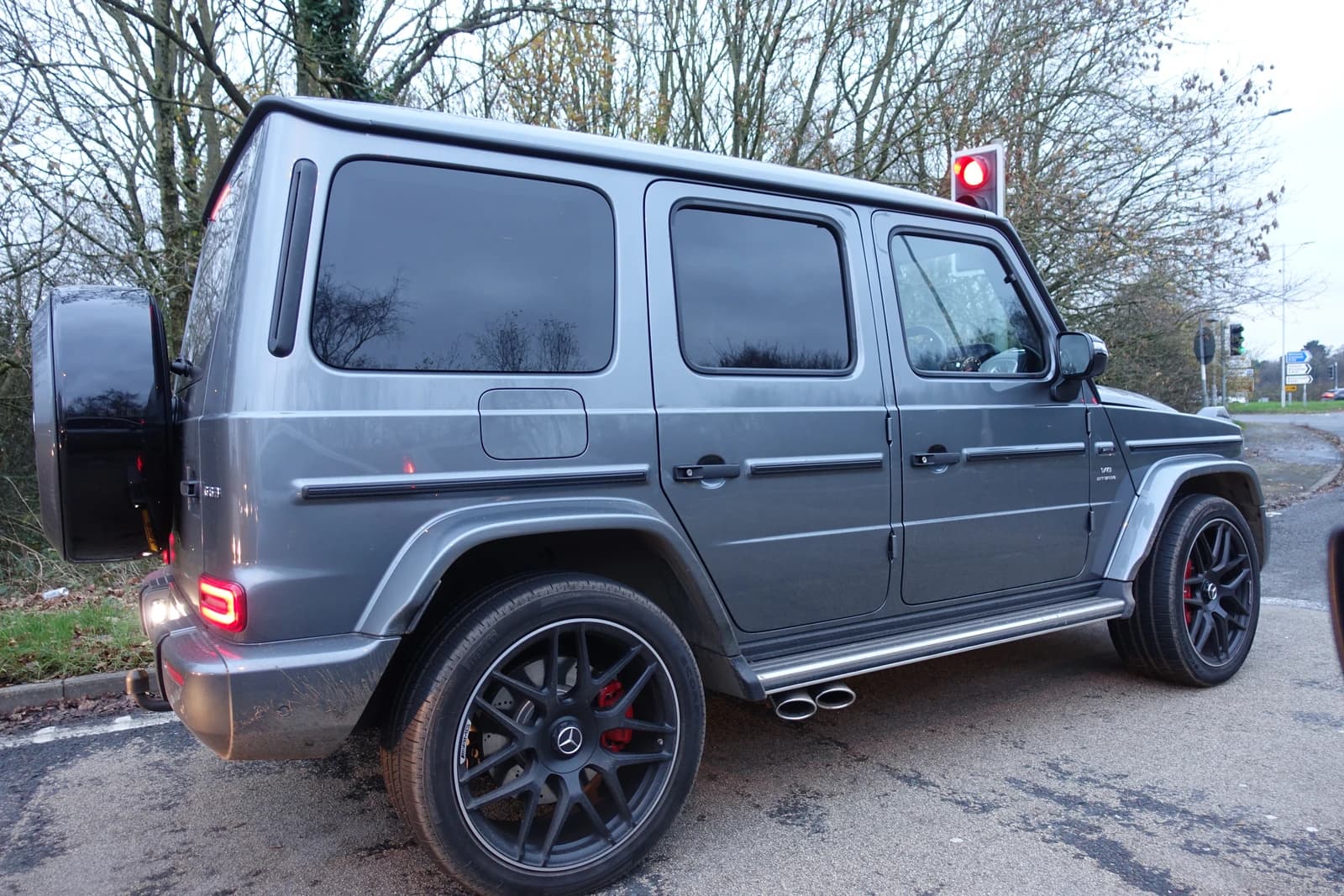
That matters because the G-Class is not just another SUV. It is a high-margin icon, the kind of vehicle that commands pricing power, brand cachet and loyal demand even when broader auto sales soften. BMW’s planned entrant, reportedly codenamed G74 and nicknamed “Rugged,” would be aimed squarely at that market and could help the German automaker widen its luxury mix at a time when the industry is still wrestling with uneven electric-vehicle demand.
Sentiment IndicatorsⓘProprietary · adalytica.com · October 15, 2026
This is a snapshot — live sentiment, awareness and momentum for 130+ markets update continuously in the dashboard.Open AlphaPulse
The reported timing is also important. BMW is said to be targeting a 2029 launch, giving it years to refine the vehicle and adapt to a market that increasingly rewards flexibility over ideology. The project has apparently already shifted once: it was initially conceived as a pure electric SUV on BMW’s Neue Klasse platform, but the company has now moved it to its CLAR architecture, which would allow plug-in hybrid and potentially electric versions. That is a telling change. Investors should see it as a practical response to slower EV adoption and a recognition that the richest buyers still want choice.
If the report is accurate, BMW is not trying to build a volume seller. It is aiming for a halo product, much like the XM, but with a more authentic off-road mission and a more direct challenge to Mercedes-Benz, Land Rover Defender and INEOS Grenadier. That strategy can be lucrative. Niche luxury vehicles often carry stronger margins than mainstream SUVs because buyers are purchasing status, exclusivity and capability, not just transportation.
The production plan is equally revealing. BMW is said to be shifting the vehicle to Spartanburg, South Carolina, the company’s longtime SUV hub, rather than one of the originally considered EV-focused sites in Europe or Mexico. For long-term investors, that suggests BMW wants a vehicle built around manufacturing flexibility and cost discipline, not just technological ambition. In the auto business, that combination matters more than flashy concept art.
There is also a portfolio angle. Reports say the G74 could effectively replace the XM, which would mean BMW is willing to swap out a polarizing performance SUV for something with broader luxury appeal and a clearer identity. That would be a rational move if the goal is to capture more profitable buyers in the premium SUV segment, where brand distinction and scarcity often matter more than unit growth.
BMW has not confirmed the project, so investors should treat the story as a roadmap rather than a guarantee. But the direction is clear: premium automakers are still hunting for products that can defend pricing power in a world of slower EV growth and tougher competition. If BMW follows through, this could become one of its most interesting long-term brand extensions — and one worth watching closely for anyone building a durable portfolio in global luxury autos.
| Entity | Gains | Losses |
|---|---|---|
| BMW | ▲Higher-margin halo SUV potential | ▼Focus risk on niche project |
| Mercedes-Benz G-Class | ▲More attention to the segment | ▼New German rival pressure |
| BMW investors | ▲Possible pricing power and brand lift | ▼Execution risk before 2029 |
| Land Rover Defender / INEOS Grenadier | ▲Validation of off-road luxury demand | ▼More competition for buyers |