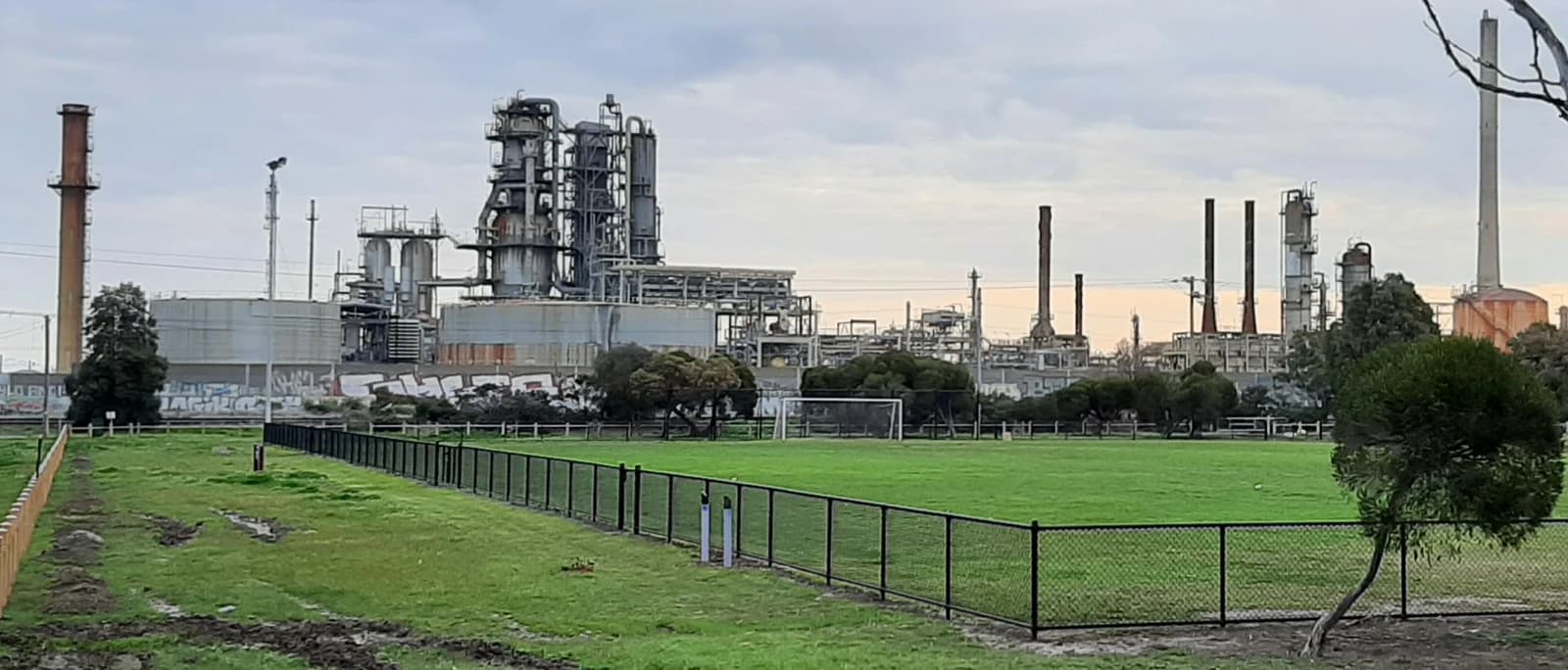
BMW’s new i3 has started production in Debrecen, a milestone that matters well beyond a single model launch because it marks a fresh industrial foothold for the German carmaker in eastern Europe and deepens the region’s role in the next phase of the auto supply chain.
BMW i3 production starts in Debrecen, Hungary
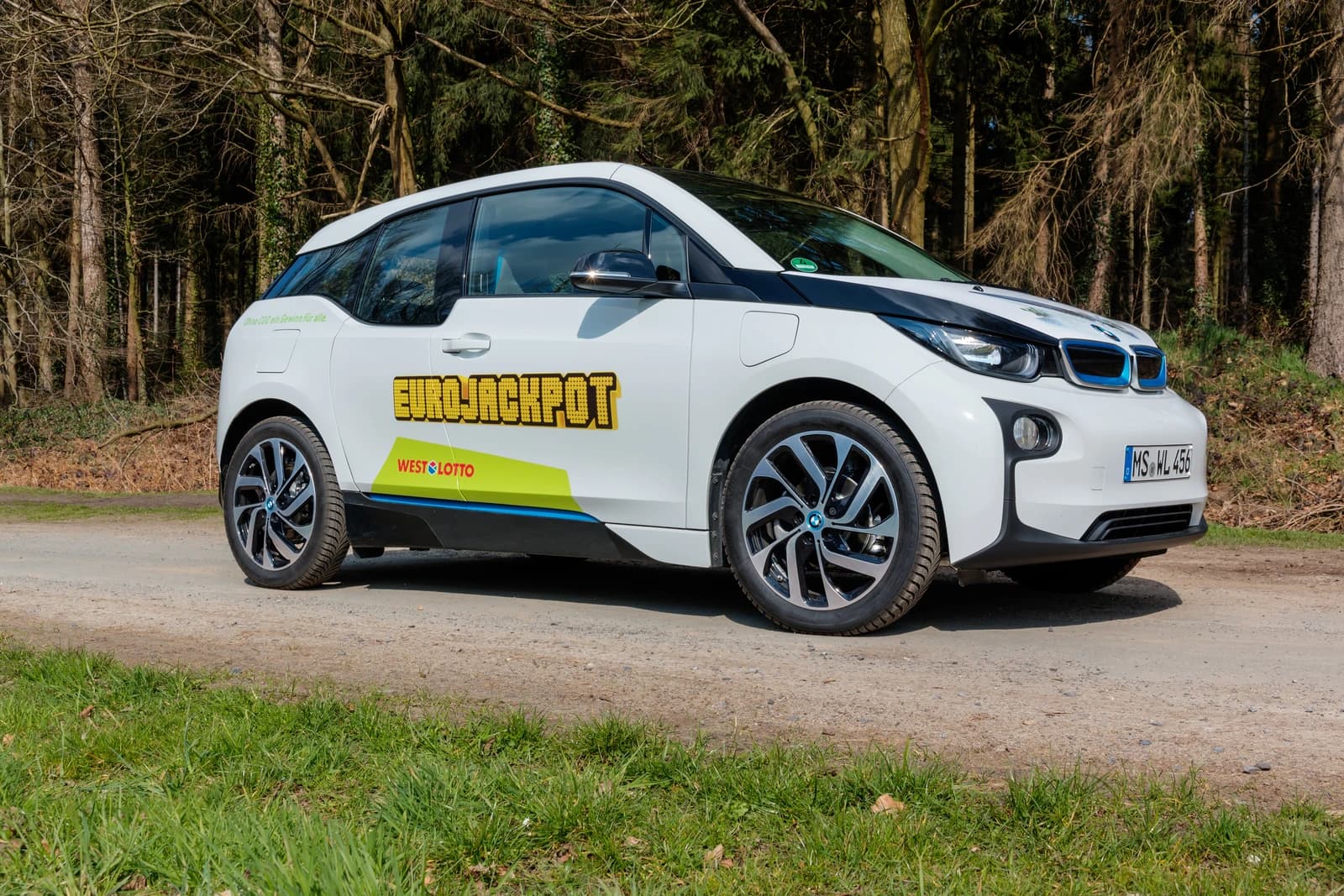
For BMW, the Debrecen plant is part of a broader push to rebuild its manufacturing map around electric vehicles, lower-cost production and closer control over battery-era supply chains. That is economically important at a time when European automakers are under pressure to defend margins against aggressive EV pricing, higher labor costs in western Europe and the constant threat of trade disruption. A new plant in Hungary gives BMW more flexibility on costs and output while positioning it to serve European demand from a competitive base inside the bloc.
Sentiment IndicatorsⓘProprietary · adalytica.com · August 10, 2026
This is a snapshot — live sentiment, awareness and momentum for 130+ markets update continuously in the dashboard.Open AlphaPulse
The move also has a wider read-through for investors: it reinforces that the EV transition is still a capex story, not just a product story. Carmakers are not simply swapping engines for batteries; they are relocating production, renegotiating supplier networks and committing billions to factories that can anchor the next decade of volume. That creates winners across industrial real estate, automation, battery materials, logistics and electrical equipment, while leaving legacy manufacturing centers more exposed.
BMW’s step comes as the automotive sector remains split between companies that can scale EV production profitably and those still struggling to turn electrification into earnings. Investors should see Debrecen as evidence that the competitive battleground is moving toward manufacturing efficiency and regional supply-chain control. The brands that can build cars closer to their core markets, with lower fixed costs and fewer geopolitical chokepoints, are likely to emerge with better margins and more resilient cash flow.
The broader implication is that central and eastern Europe are becoming a magnet for the auto industry’s next investment cycle. Hungary, already courting manufacturing capital, stands to gain from jobs, infrastructure spending and export-linked growth. For BMW shareholders, the key question is not just whether the i3 sells, but whether the new factory helps the company protect profitability as EV competition intensifies and the market rewards scale, discipline and supply-chain security.
| Entity | Gains | Losses |
|---|---|---|
| BMW | ▲Lower-cost EV production | ▼Higher upfront capex |
| Hungary | ▲Jobs and industrial investment | ▼Dependence on auto exports |
| EV suppliers | ▲New factory demand | ▼Legacy ICE suppliers |
| Western Europe plants | ▲— | ▼Potential volume diversion |