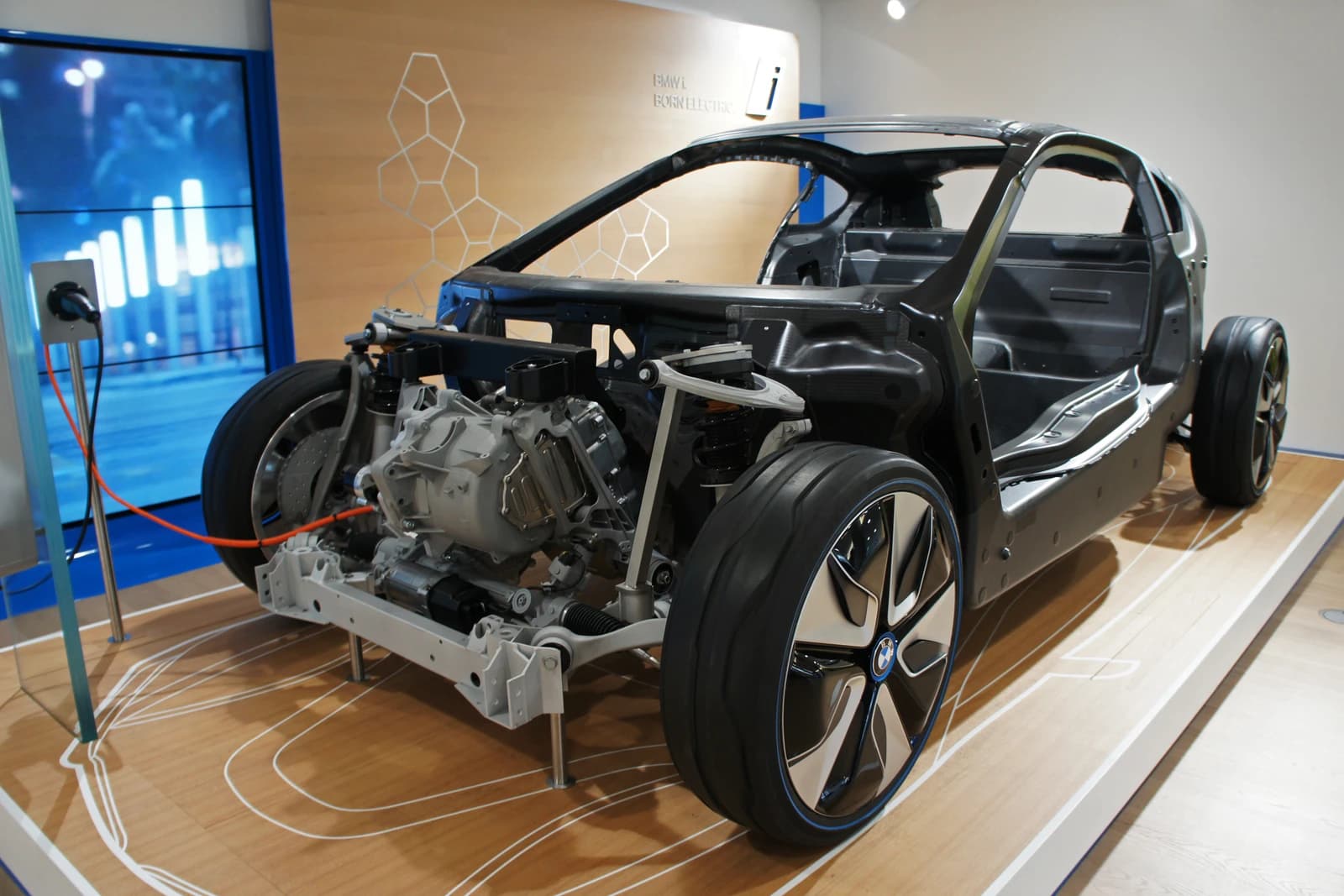
BMW is recalling 286 electric i5 and i7 sedans in the U.S. after regulators said a charging-software error could, in rare cases, expose users to an electric shock when plugging in the car.
BMW recalls i5 and i7 over charging software error
For investors, the big takeaway is not the size of the recall — it is small — but the reminder that software quality now sits at the center of electric-vehicle safety, warranty costs and customer trust. In EVs, a bug can trigger the same reputational damage as a hardware defect, and that matters for a premium brand that sells not just cars, but confidence.
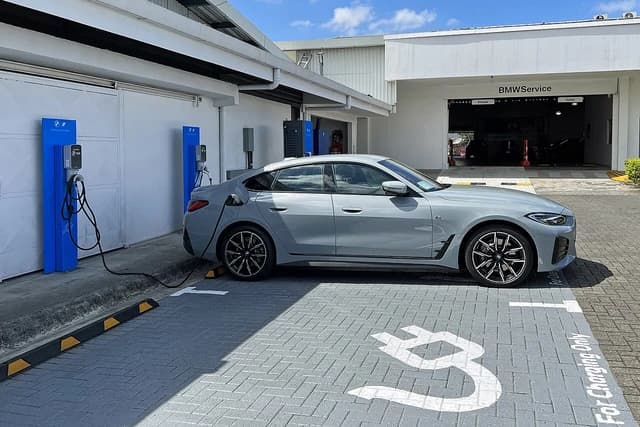
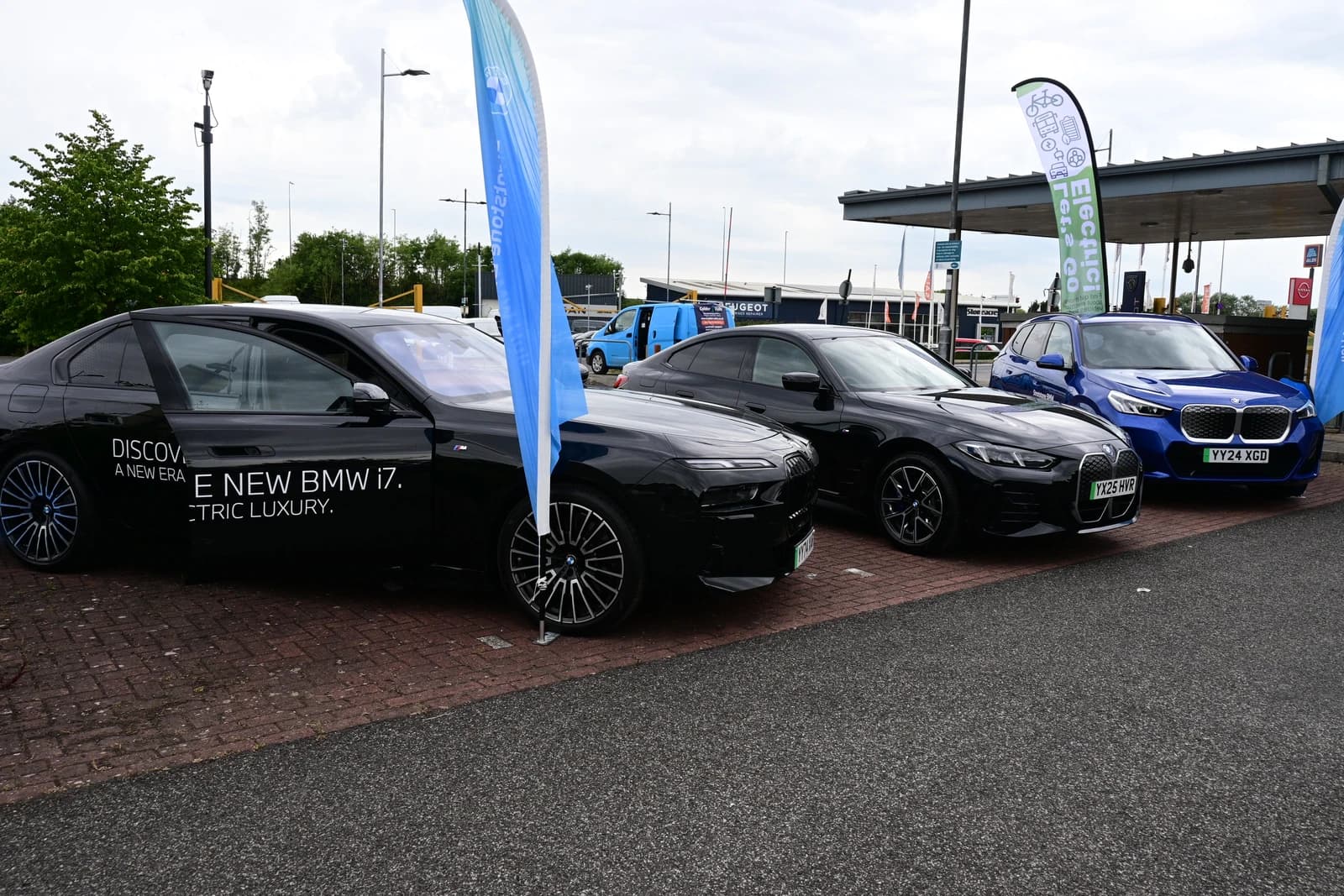
According to a filing with the National Highway Traffic Safety Administration, the affected vehicles include 236 BMW i5s and 50 BMW i7s built over a two-month period in mid-2026. The recall covers i5 eDrive40, xDrive40 and M60 variants, as well as i7 xDrive50 and xDrive60 models.
BMW said the problem stems from the high-voltage battery charging management software, which may have been loaded with a test version rather than the final production code. In those rare cases, the charging system could malfunction and create a shock hazard while the vehicle is connected to power. The company said it learned of the issue after supplier TE Connectivity Solutions GmbH flagged the software in early October.
The upside for BMW owners, and for the company’s balance sheet, is that this is a software fix, not a hardware teardown. BMW says dealers will update the code free of charge, with no parts replacement required. That limits direct repair expense and keeps the disruption contained, although it is still unclear whether the remedy can be delivered remotely or requires a dealer visit.
BMW has not reported any injuries or crashes tied to the defect, which helps keep the financial impact manageable. But even a narrowly scoped recall can weigh on the long-term EV story if it reinforces a pattern of charging, battery or electrical issues. These are the kinds of problems that can slow adoption at the margin, especially in the luxury segment where buyers expect flawless execution.
For long-term investors, the key question is whether BMW can keep turning its EV software stack into a competitive advantage rather than a source of recurring risk. The company is still in the early innings of its electric transition, and execution on reliability matters just as much as design or range. Recalls like this one are worth watching, but they are also a reminder that the winners in EVs will be the automakers that can ship complex software without compromising safety.
| Entity | Gains | Losses |
|---|---|---|
| BMW | ▲Limits repair costs with a software-only fix | ▼Faces trust and quality scrutiny |
| BMW owners | ▲Free dealer software update | ▼Temporary inconvenience and safety concern |
| Suppliers | ▲Issue gets contained early | ▼Risk of closer scrutiny on components and code |
| EV rivals | ▲Chance to compare their own safety records | ▼Share the same sector-wide reputational risk |