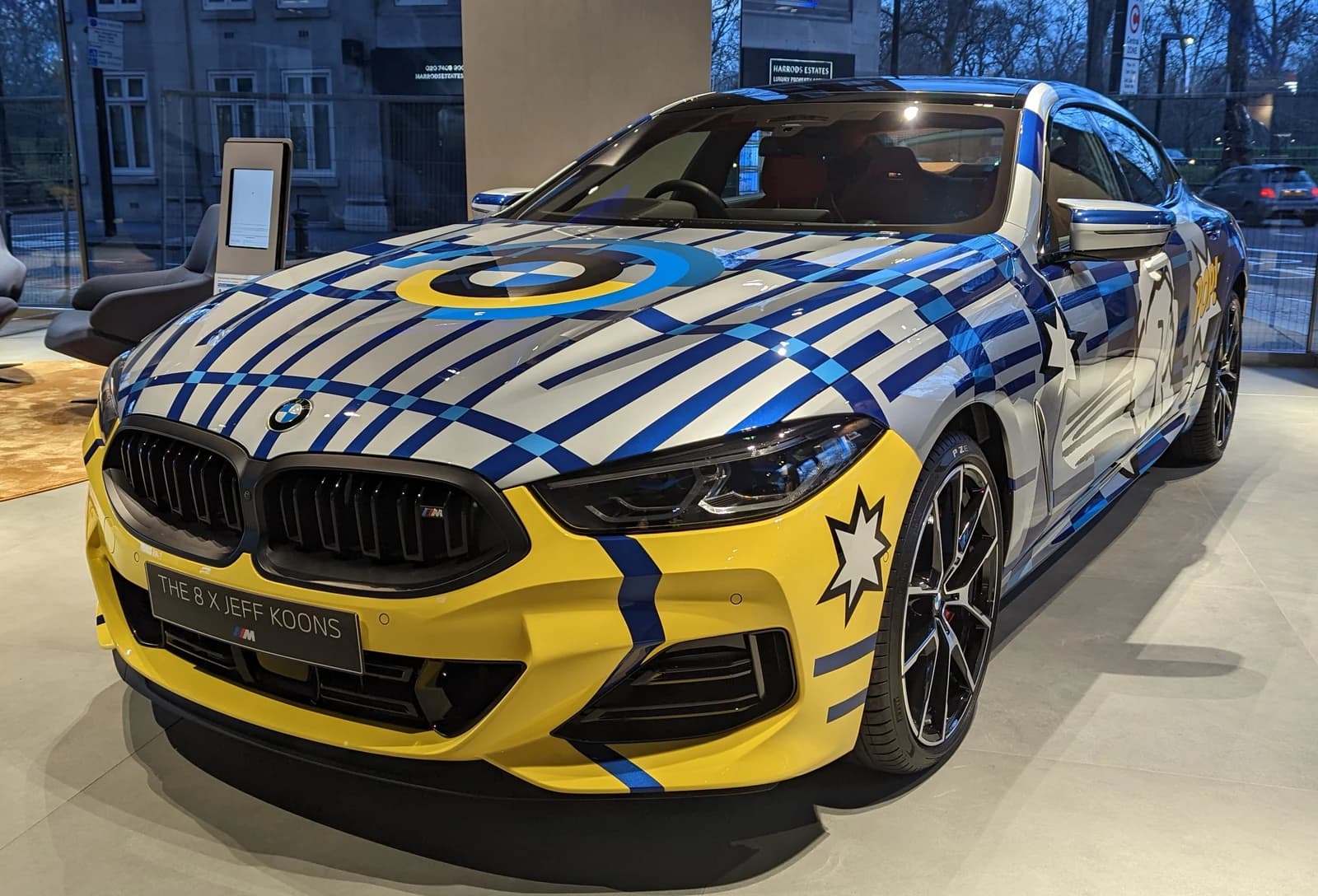
A used BMW X1 is no longer a bargain-basement buy, but the compact SUV’s sharply uneven prices, broad drivetrain mix and eight listed recalls mean buyers need to shop very carefully.
BMW X1 Used Prices Vary With Trim and Recalls
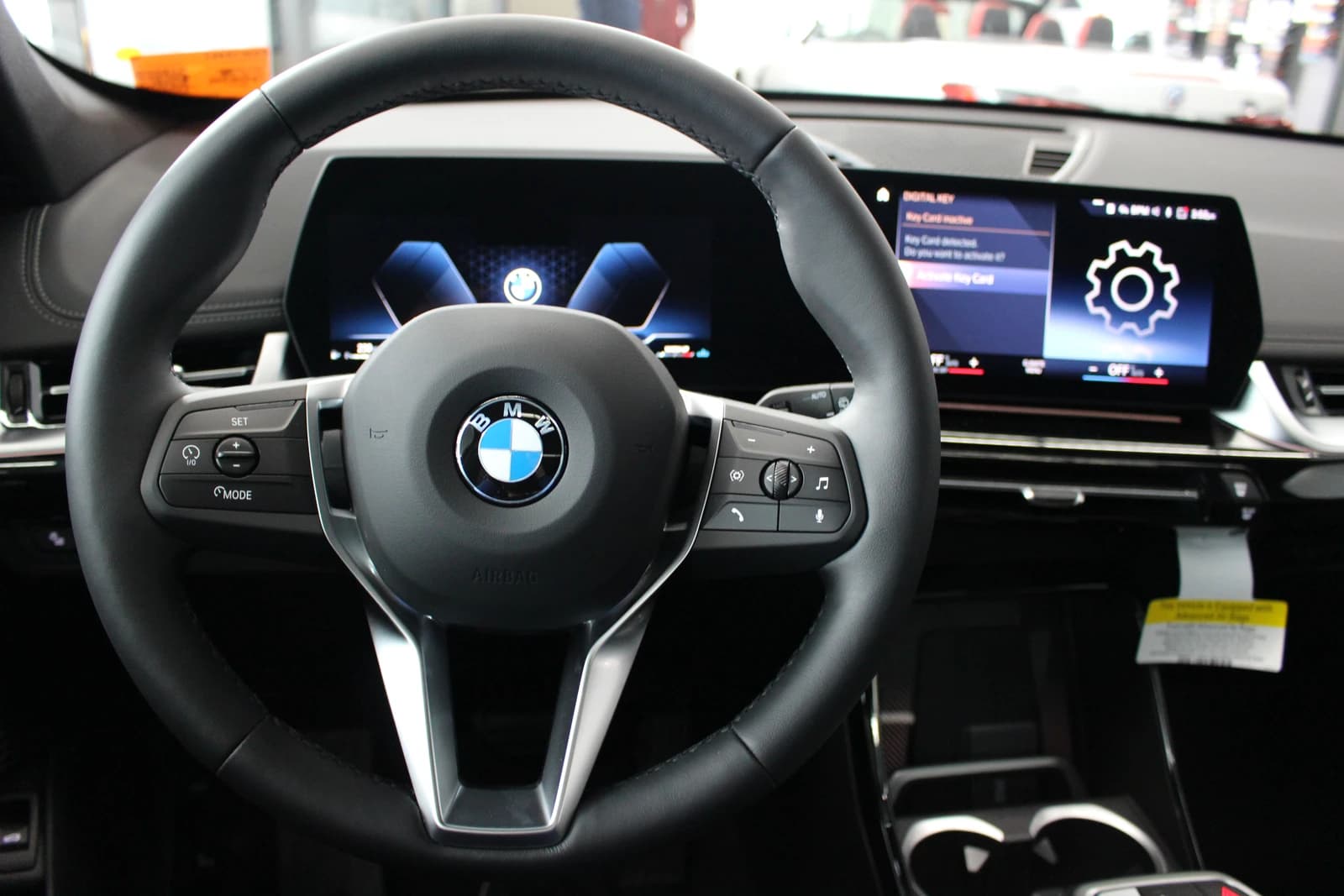
The second-generation X1, known internally as the U11 and launched at the end of 2022, has quickly become BMW’s volume SUV and entry point for the brand’s premium lineup. That makes it important in the used-car market: it is now reaching an age where supply is building, but its pricing still swings widely depending on trim, powertrain and equipment.
Sentiment Indicators
For buyers, that creates both opportunity and risk. The X1 spans a 136-horsepower base petrol model, mild hybrids, plug-in hybrids and the all-electric iX1, while the range-topping M35i xDrive brings 300 horsepower and a far higher price tag. In practice, that means a lightly equipped former fleet car and a well-optioned demonstrator can sit in the same classifieds section at very different numbers.
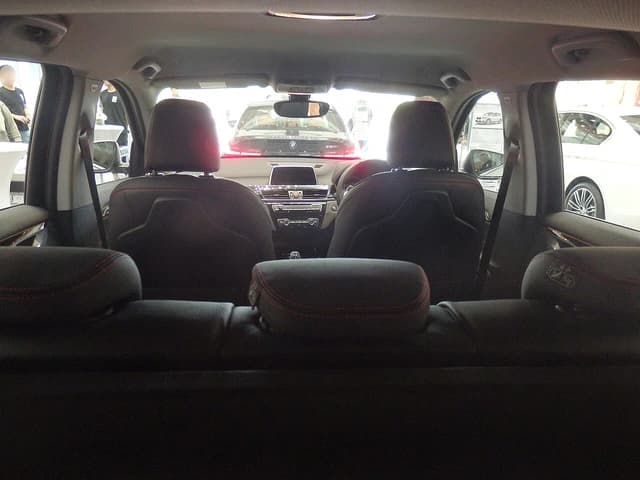
The model’s appeal is straightforward. At 4.50 meters long, the X1 offers more interior space than its predecessor, a 500-liter boot that expands to as much as 1,600 liters, and a cabin built around BMW’s curved display and Operating System 8. That combination of family practicality and premium tech is what keeps demand resilient, even as the car ages into the used market.
But the same complexity that makes the X1 attractive also makes it harder to price. Buyers are being asked to judge whether features such as Harman/Kardon audio, Driving Assistant Plus, seat ventilation, head-up display, keyless entry, 360-degree cameras and augmented-reality navigation are factory-fitted, software-activated later, or not present at all. The result is a wide spread between stripped-down ex-rental examples and heavily optioned cars.
The mechanical side is less dramatic, but not risk-free. BMW offers three years of warranty and 12 years against rust-through, yet the dual-clutch Steptronic gearbox can feel hesitant pulling away, sensor calibration matters after windshield replacement, and the U11 has eight recalls listed at Germany’s KBA. Buyers are also being warned about occasional software bugs, minor squeaks and the prospect of subscription-based features.
That matters for the wider used-car market because premium compact SUVs are a major liquidity segment for dealers and consumer platforms. A model like the X1 can hold value well if spec and service history are right, but the wrong configuration can weigh on resale and turn into a costly mistake for retail buyers and trade-in sellers alike.
For investors in auto retail and used-car platforms, the takeaway is that demand for premium SUVs remains intact, but profitability still depends on inventory discipline, reconditioning costs and how accurately dealers can separate desirable X1s from overbuilt or problematic ones. The next catalyst will be how quickly later U11 cars with cleaner equipment and more electric or hybrid drivetrains filter onto the market.
| Entity | Gains | Losses |
|---|---|---|
| BMW X1 buyers | ▲newer tech, family space | ▼wide price spread, recall risk |
| BMW dealers | ▲strong premium demand | ▼pricing complexity, higher prep costs |
| Used-car platforms | ▲transaction volume | ▼harder inventory valuation |
| Sellers of well-specced X1s | ▲stronger resale | ▼owners of basic or recalled cars |