Oil is losing momentum again as signs of a global supply surplus start to outweigh geopolitical risk, pulling Brent below $90 a barrel and toward its lowest level in three months.
Brent Oil Falls on Surplus Concerns
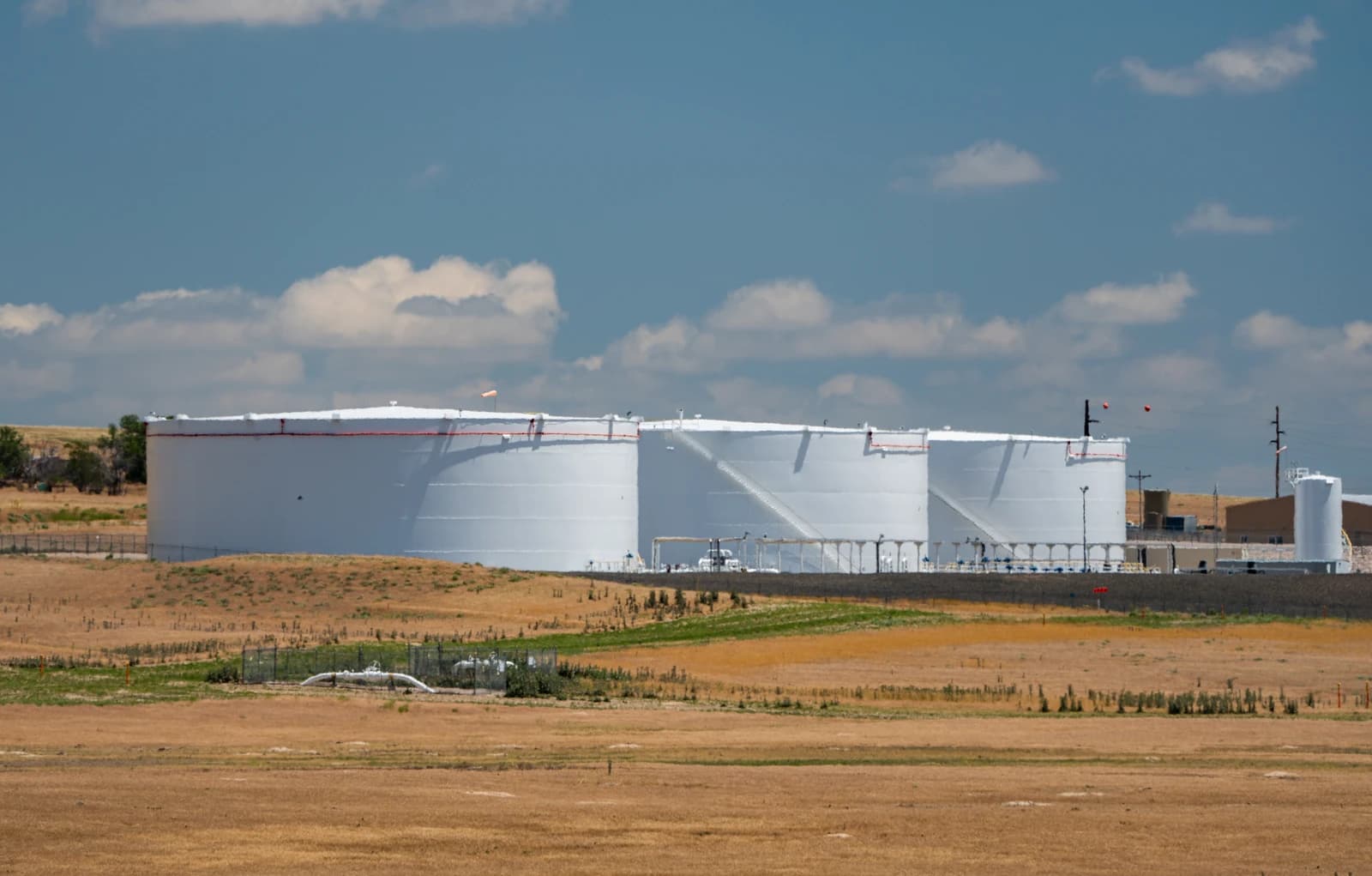
Brent crude slipped 27 cents, or 0.3%, to $89.10 a barrel in Tuesday trade, while U.S. West Texas Intermediate fell 0.3% to $79.97. The market had already dropped more than 3% in the previous session, reflecting a shift in positioning as traders increasingly focus on rising inventories, recovering output and the prospect that demand growth may not be strong enough to absorb new barrels.
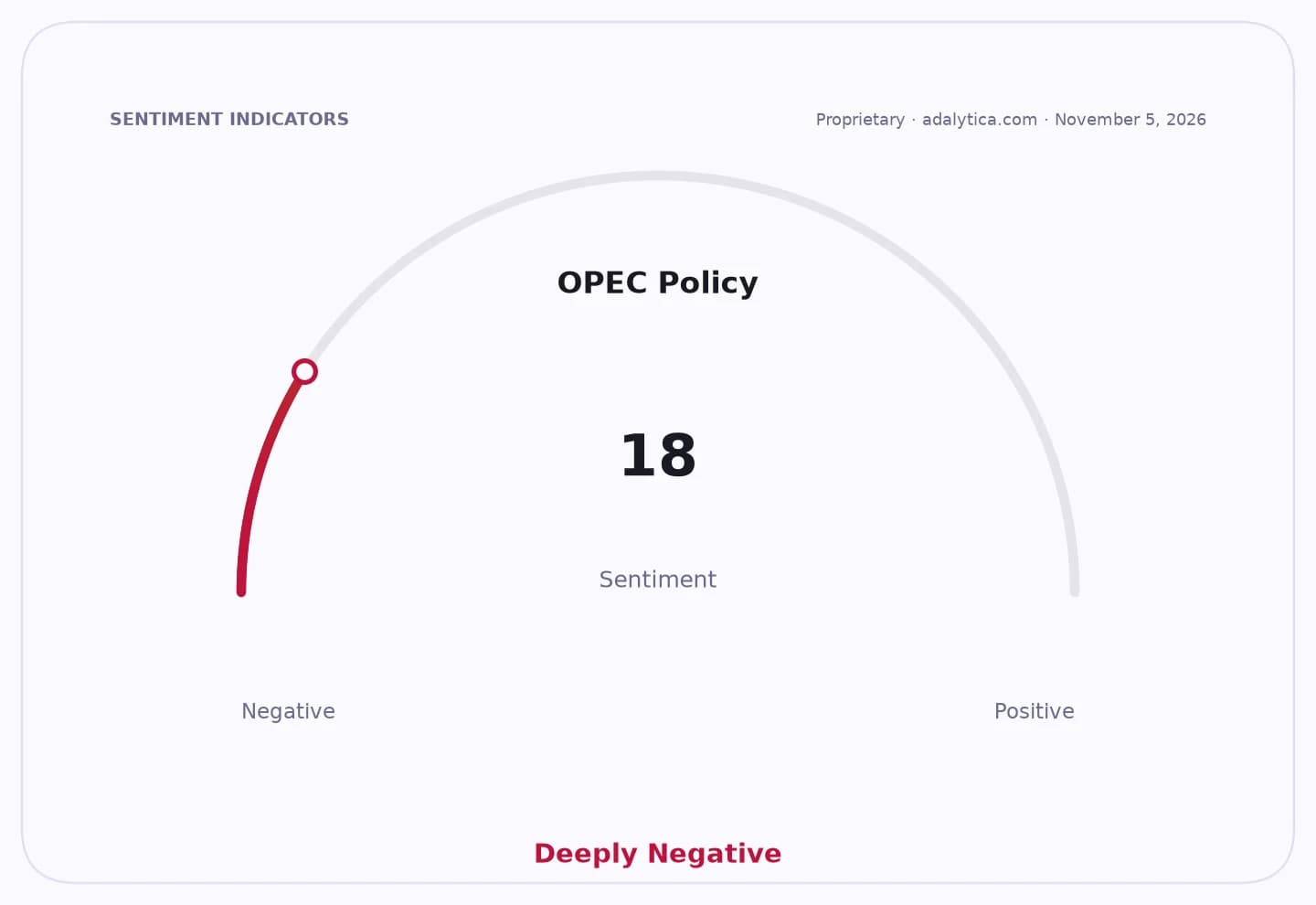
Sentiment Indicators
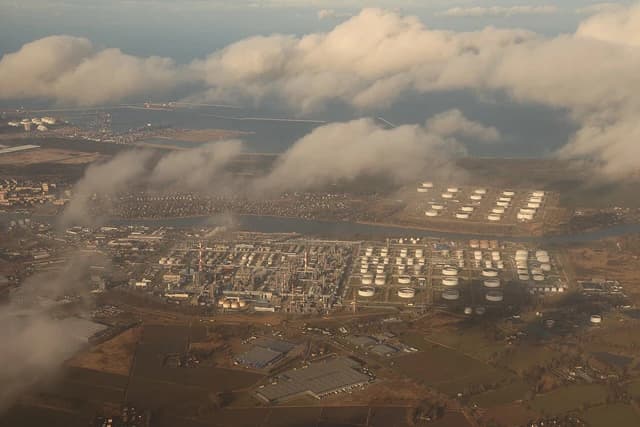
The most important driver is not the day’s modest price move, but the change in the underlying balance. Deutsche Bank said tracked global oil liquids inventories rose by 52 million barrels in October, implying a surplus close to 1.7 million barrels a day. That kind of build points to a market that is drifting from tightness toward oversupply, a development that typically caps rallies and compresses producer margins if it persists.
That matters economically because oil remains one of the most important input costs for transport, manufacturing and broader inflation. A sustained move lower would ease pressure on importers and refiners, and could help cool headline inflation in major consuming economies. But for producers, especially those with higher lifting costs or heavy capital spending plans, a softer price environment risks forcing budget revisions, slower investment and weaker free cash flow.
Supply-side developments are reinforcing that bearish setup. Libya’s National Oil Corporation said crude flows had resumed to storage tanks at the Akakus facility in Zawiya after the Sharara pipeline reopened, adding to expectations of more barrels returning to the market. Any increase in Libyan exports matters because the market has been trying to rebuild lost supply from a series of outages and disruptions over recent months.
Still, the decline is not happening in a straight line. Traders continue to price in the risk that tensions in the Strait of Hormuz or a wider U.S.-Iran confrontation could interrupt flows from the Persian Gulf. DBS energy research head Suvro Sarkar said improving supply has dulled Brent’s upside momentum, but did not rule out another rally if geopolitical risks flare. ANZ strategist Daniel Hynes also warned that better market indicators do not amount to full stability because logistical constraints and thin emergency inventories remain a concern.
For investors, the key question is whether this is a temporary correction or the start of a more durable downcycle. JPMorgan’s view, cited by Reuters, that oil could fall below $80 a barrel in the first half of 2027 underscores how seriously some banks are taking the surplus narrative. The next major test is OPEC+’s Nov. 29 meeting, where any sign that the alliance may adjust production policy will help determine whether the market stabilizes or extends its slide.
| Entity | Gains | Losses |
|---|---|---|
| Oil consumers | ▲Lower fuel costs | ▼Less urgency for supply disruption hedges |
| Oil producers | ▲Cash flow only if prices stabilize | ▼Revenue, margins and capex returns |
| Importing economies | ▲Easing inflation pressure | ▼None from cheaper crude |
| OPEC+ | ▲Opportunity to cut output if needed | ▼Pricing power if surplus deepens |