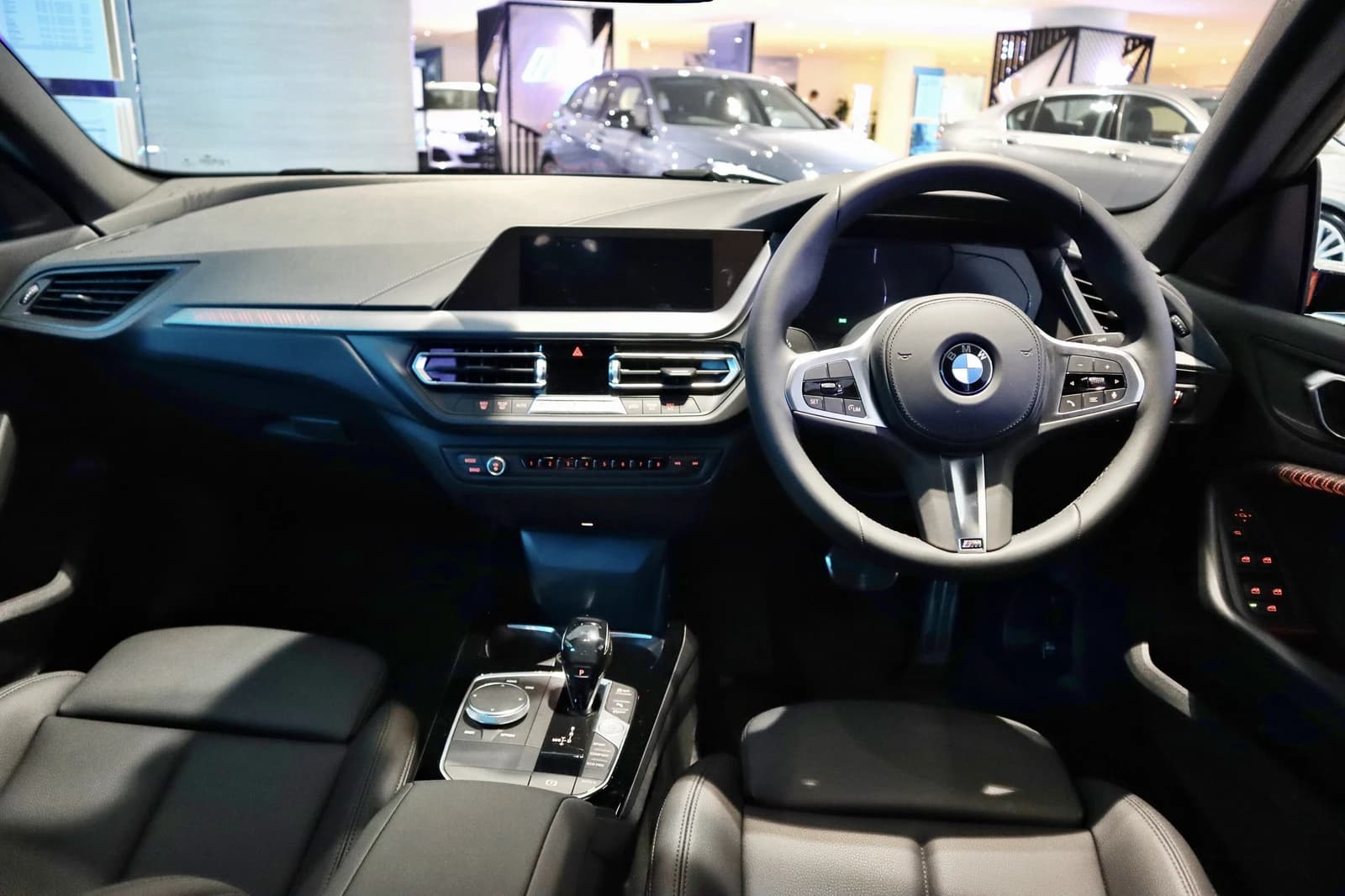
BMW’s new XM Label Red is a reminder that the company still believes the fastest way to protect pricing power in a softening luxury market is through scarcity, spectacle and electrified performance.
BMW XM Label Red production and specs
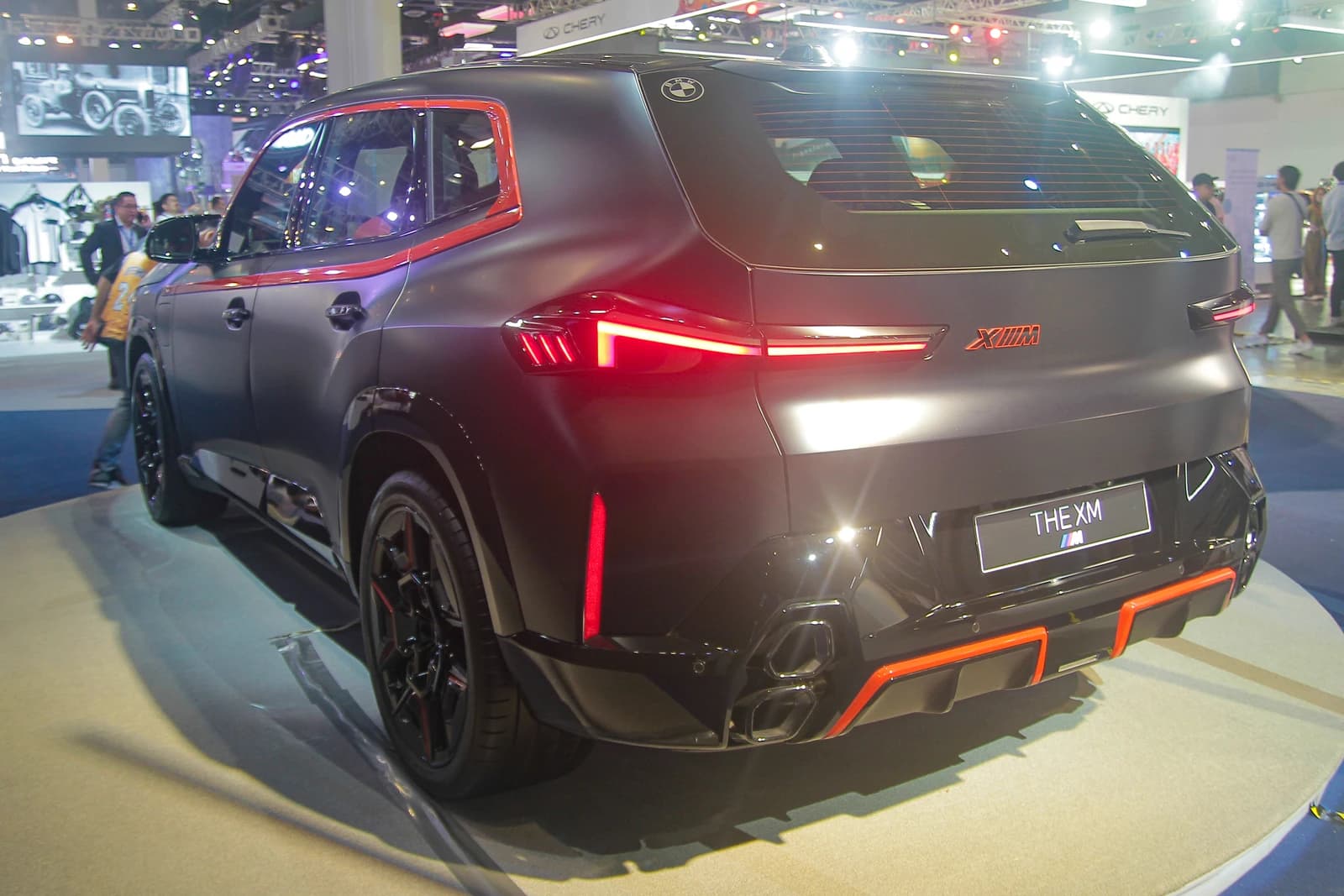
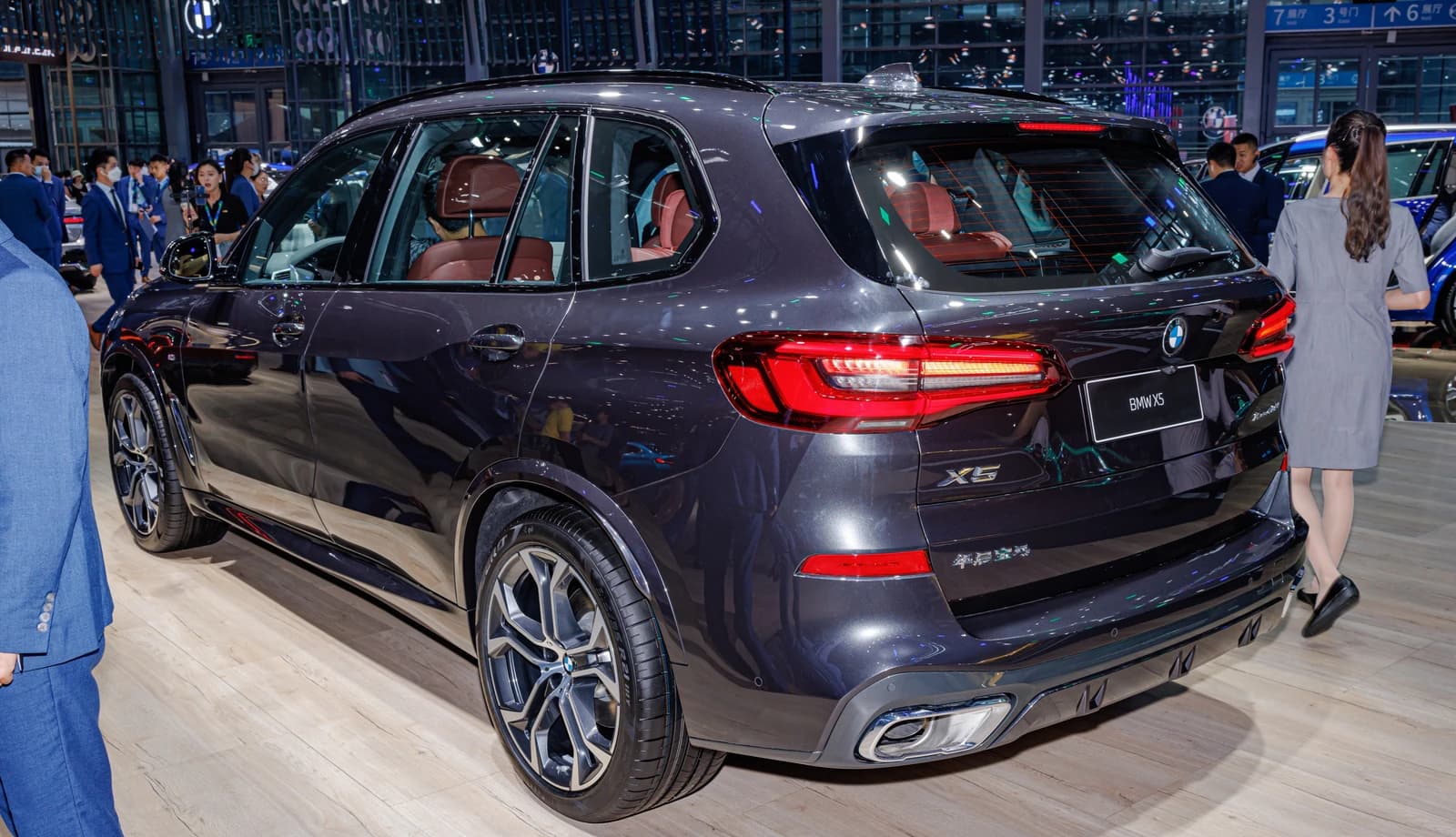
The limited-run flagship of BMW M’s first high-performance plug-in hybrid SUV packs 550 kW, or 748 horsepower, and 1,000 Nm of torque, making it the most powerful series-production BMW ever. Only 500 will be built worldwide, and production starts in August at BMW’s Spartanburg, South Carolina plant, with the world premiere staged at Auto Shanghai, a clear sign that BMW is aiming this car at the most lucrative pockets of demand in China, the U.S. and the Middle East.
That matters because BMW is not just selling another halo model. It is using the XM line to test how far buyers will stretch for exclusive, high-margin SUVs as the industry shifts toward electrification without giving up combustion-driven emotion. The label “M HYBRID” is strategic: it lets BMW charge top-tier money for a vehicle that combines an 8-cylinder engine with an electric motor, while also giving the brand a bridge between old-school performance and the emissions rules shaping the next decade.
The economics are straightforward. Specialty SUVs like the XM carry far richer margins than volume sedans, and the 500-unit Red edition adds another layer of exclusivity that can lift average transaction prices and reinforce the M division’s brand halo. BMW says the SUV can run 75 to 83 kilometers on electric power alone under the WLTP cycle, a detail that matters less for commuting than for positioning the car as a luxury object that can meet tightening regulatory and consumer expectations.
Investors should read this as part of BMW’s broader bet that premium customers will continue to pay for differentiated hardware even as mass-market EV demand remains uneven. The company’s latest pricing and product strategy suggests it is trying to defend profitability with a mix of high-spec hybrids, larger SUVs and limited editions rather than chasing volume at any cost. That is a sensible approach in a market where the winners are increasingly those who control scarcity, brand heat and mix.
BMW’s shares have been volatile, and the stock’s technical backdrop has weakened sharply in recent sessions, with the German-listed shares trading well below both the 50-day and 200-day moving averages and RSI readings deep in oversold territory. That does not make the XM a near-term catalyst for the stock, but it does reinforce the thesis that BMW’s equity story will hinge on margin resilience and product mix more than unit growth alone.
The bigger message is that BMW is leaning harder into its most profitable intersection: performance, electrification and SUV demand. If the XM Label Red finds buyers at the intended price point, it strengthens the case that BMW can keep monetizing its M badge in an era when pure horsepower has to coexist with batteries, emissions targets and brand differentiation. For investors, that makes BMW’s premium-product pipeline worth watching as closely as its EV rollout. The market may be underestimating how much earnings power is hidden in these niche, high-margin flagships.
| Entity | Gains | Losses |
|---|---|---|
| BMW M GmbH | ▲Higher-margin halo sales | ▼Scale and affordability |
| Luxury performance buyers | ▲Exclusivity and status | ▼Broad accessibility |
| BMW shareholders | ▲Pricing power and brand lift | ▼Near-term volume hopes |
| Rival premium automakers | ▲Pressure to match halo products | ▼Differentiation advantage |