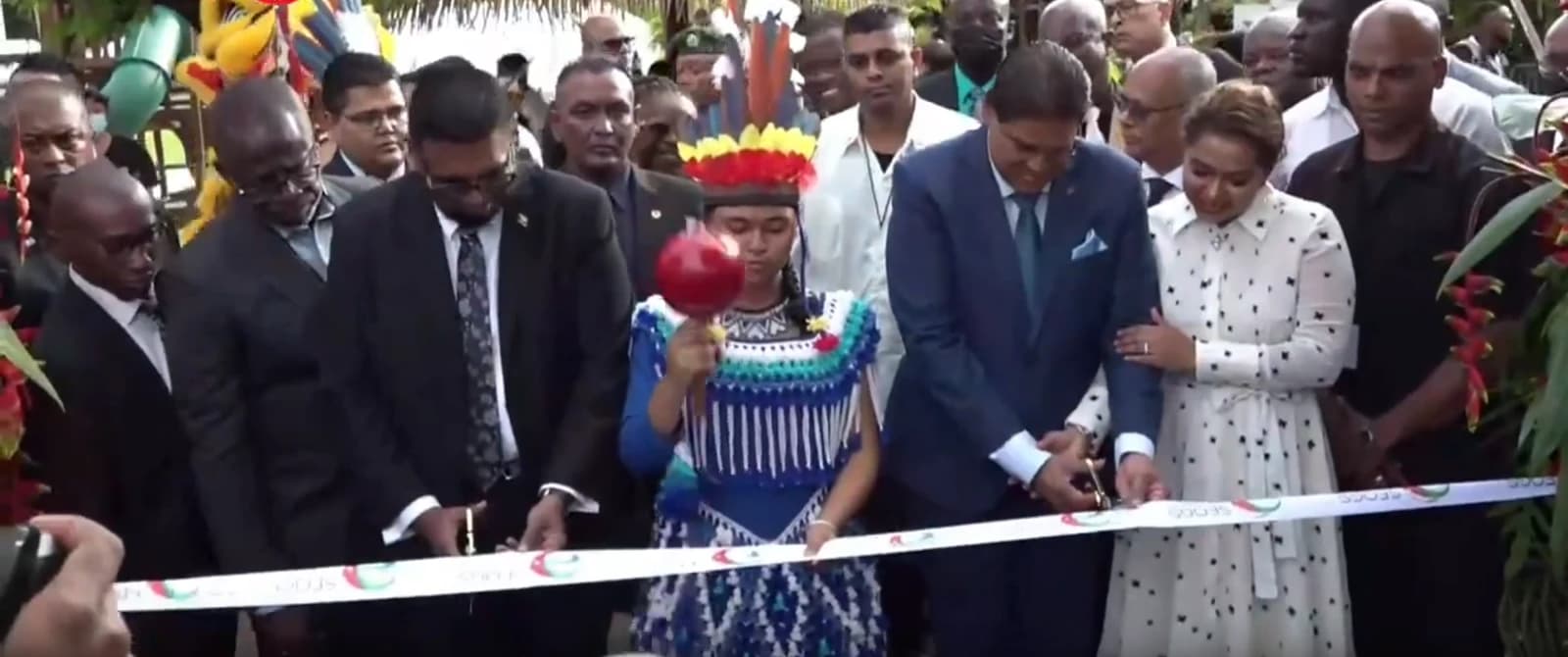
Bolivia has begun producing gas from the Churumas field inside the Tariquía national reserve, turning a long-running environmental and political dispute into an operating upstream asset with export value for the country and YPFB Chaco.
Bolivia starts gas output at Churumas field
Natural Gas
That matters because Bolivia is leaning on new gas output to slow the erosion of its export income, even as production from older fields declines. Churumas entered production in June 2025 through the Churumas X2 and X3D wells, with a third well, Churumas 4D, still advancing. YPFB Chaco said the project required about $100 million of investment and could produce for more than 20 years, with peak capacity of 21 million cubic feet per day. In July, the government said 95% of output was being shipped to Argentina, making the field immediately relevant to foreign-exchange earnings and regional gas trade.
Sentiment Indicators
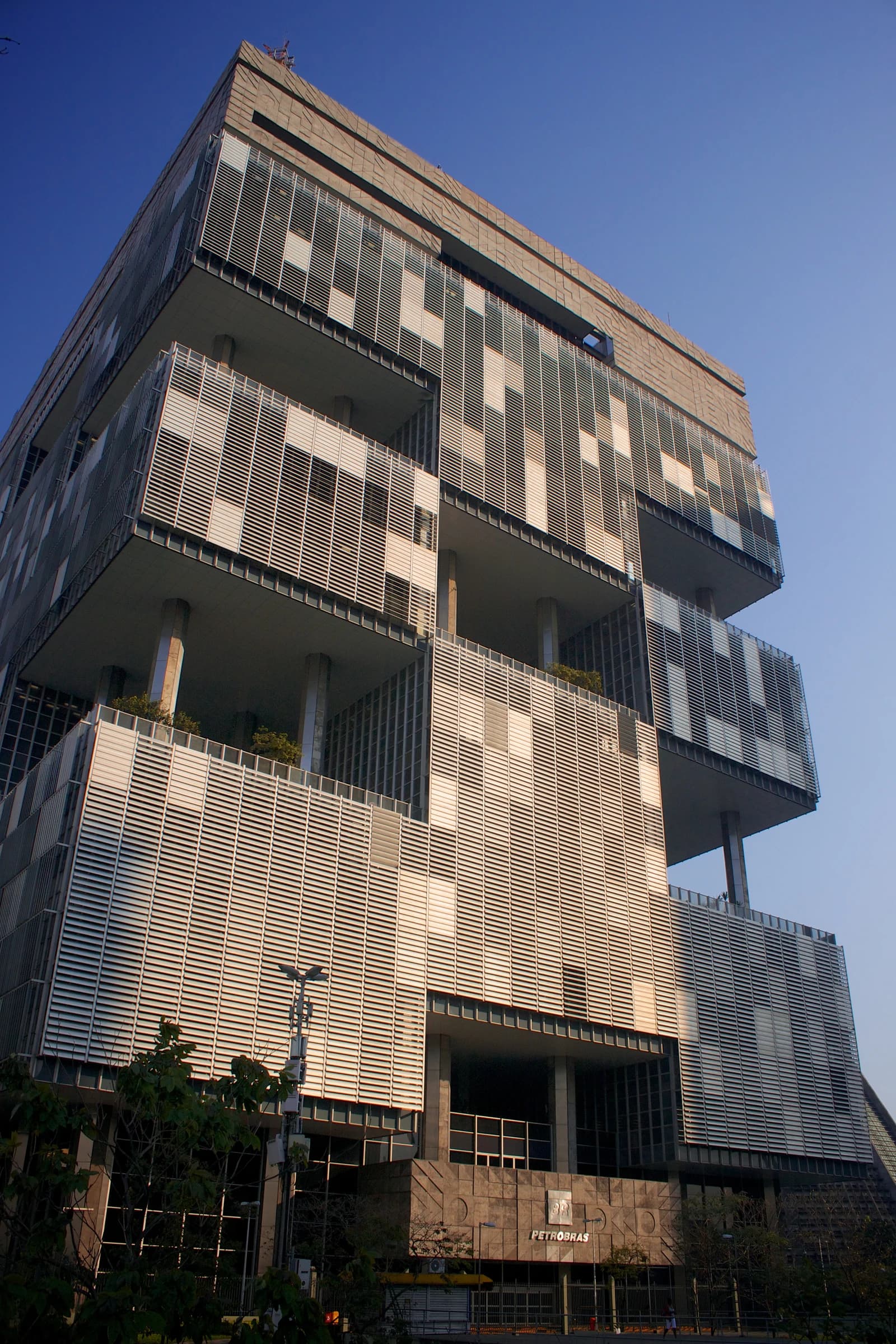
The project also clarifies the line between production inside a protected area and exploration near one. According to the specialist cited in the report, Churumas lies in a zone of moderate use within Tariquía, while Petrobras’s Domo Oso X3 sits outside the reserve, about 1,512 metres from its boundary. That distinction is important because the two projects are being treated differently in the environmental debate: one is already flowing gas, the other remains under scrutiny over possible effects on water sources and nearby ecosystems.
For investors and counterparties, the immediate commercial significance is that Bolivia is not just licensing new gas projects, but bringing them online. That supports short-term supply for export markets, especially Argentina, and underscores the state oil sector’s dependence on incremental fields rather than a broad-based production rebound. It also highlights the execution risk attached to future developments: if environmental objections intensify around nearby projects such as Domo Oso X3, approval timelines, operating conditions and social licence could become more costly.
The broader narrative is that Bolivia is trying to balance declining hydrocarbon revenue against pressure to protect sensitive land and water systems. Churumas shows the government’s willingness to prioritize output in an area already classified for limited use, but the backlash around Domo Oso suggests that each new project near Tariquía will now be judged not only on reserves and economics, but on whether regulators and local authorities can defend the environmental case. The next tests will be whether Churumas can sustain volumes close to design expectations and whether Bolivia can keep the next wave of gas projects moving without deepening legal and political resistance.
| Entity | Gains | Losses |
|---|---|---|
| YPFB Chaco / Bolivia | ▲Export revenue, new gas supply | ▼Environmental criticism |
| Argentina buyers | ▲Reliable gas imports | ▼Less leverage if Bolivia tightens supply |
| Petrobras / Domo Oso X3 | ▲Potential future project value | ▼Greater regulatory and political scrutiny |
| Tariquía reserve / local environment | ▲— | ▼More hydrocarbon activity and water-risk concerns |