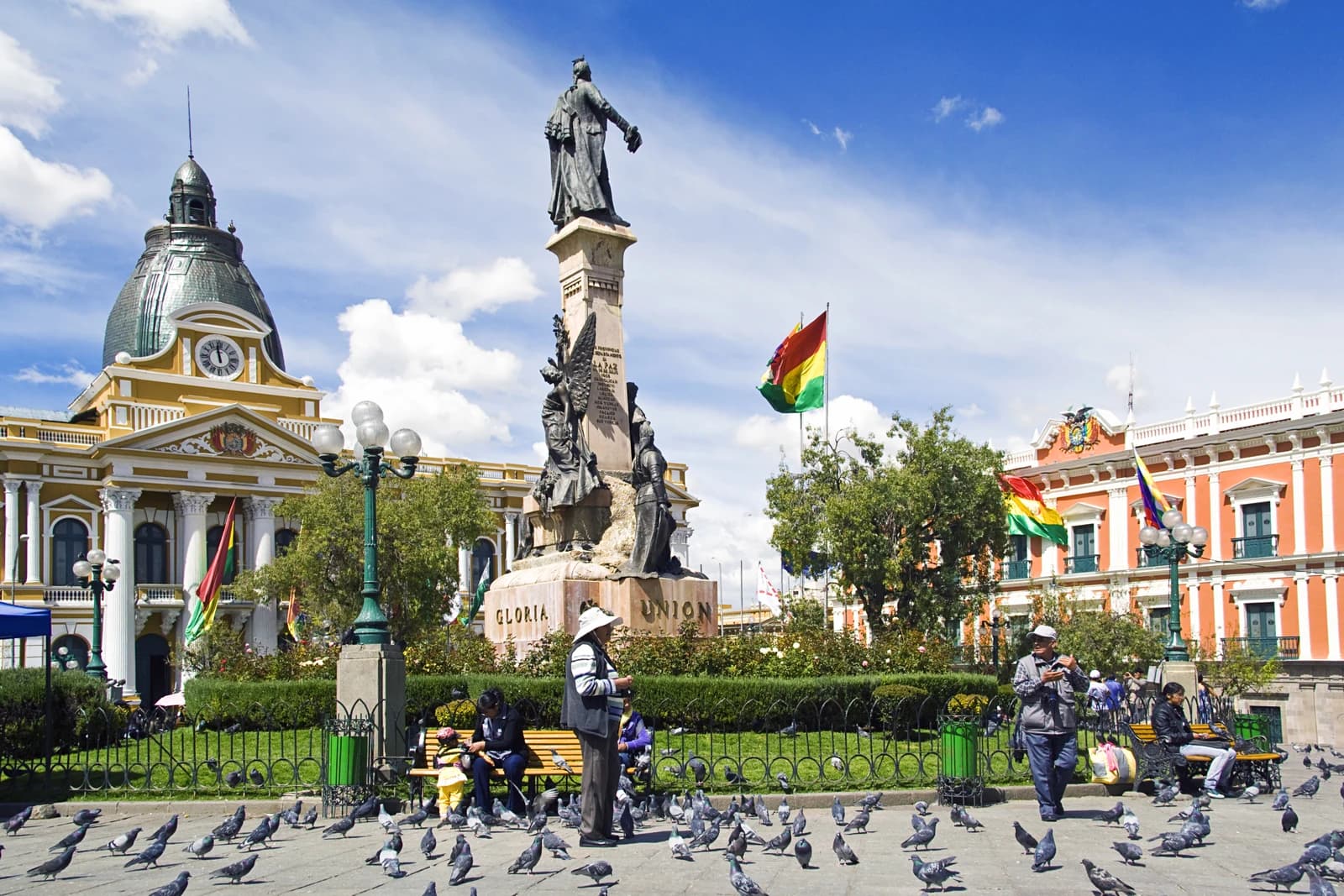
Bolivia’s recession is set to drag into a third straight year after the World Bank forecast the Andean economy will shrink 2.8% in 2026, making it the worst performer in Latin America and underscoring how sharply tighter public finances are weighing on activity.
Bolivia GDP Seen Shrinking 2.8% in 2026
The contraction matters because Bolivia is trying to stabilize its currency, rein in subsidies and rebuild confidence at the same time as domestic demand weakens. That combination leaves the government little room to support growth without reviving pressure on prices, the exchange rate and external financing.
The World Bank said Bolivia will remain in negative territory in 2027, with GDP seen falling another 1.4%, before a marginal 0.6% rebound in 2028. That would leave the country behind the region, where growth is forecast to average 2.2% in 2026.
Economists blamed the slump largely on fiscal retrenchment. Omar Velasco said the downturn is tied to a “sharp contraction of public spending” under the new budget and the IMF-backed program, which he said implies a reduction in public outlays of around 4.7% of GDP this year.
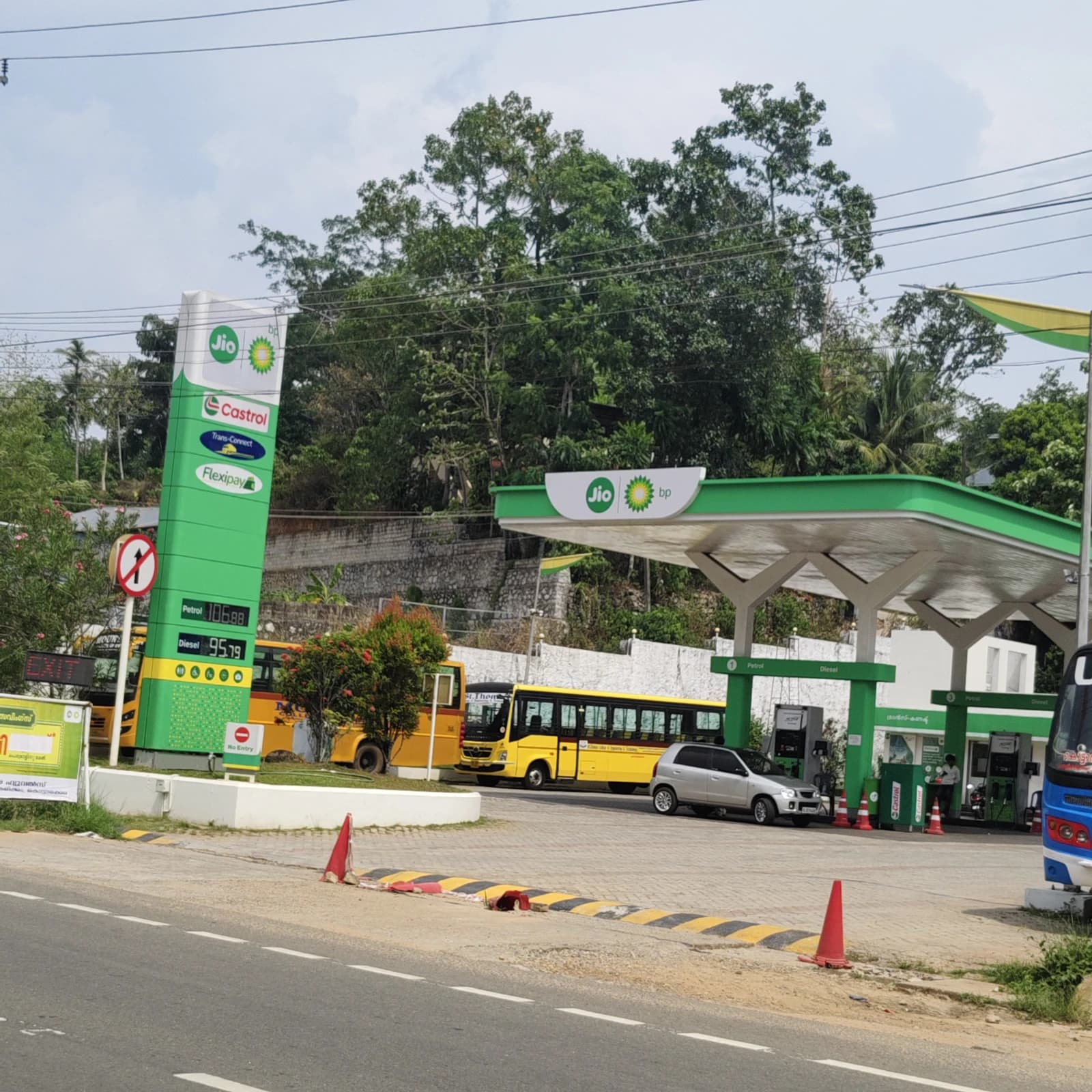
Higher borrowing costs are adding to the squeeze. Short-term liquidity rates are around 10%, Velasco said, raising credit costs and leaving bank lending close to stagnation. At the same time, the removal of fuel subsidies has nearly doubled diesel prices, lifting production costs and curbing supply.
The government of President Rodrigo Paz has been moving to shift the economy, including changes to the exchange rate and a gradual end to fuel subsidies. The World Bank said those steps have eased immediate macroeconomic pressure and backed a reform program centered on fiscal sustainability, social protection and private-sector-led growth.
Bolivia’s central bank said this week it received $211.3 million from the International Monetary Fund as part of a broader $1.9 billion arrangement, highlighting how dependent the stabilization effort is on outside financing. The risk for investors is that the adjustment succeeds on inflation and reserves only at the cost of a longer slump in output, profits and credit demand.
For markets, the key question is whether the government can slow inflation and stabilize the currency without deepening the downturn. The next test will be whether IMF support and tighter fiscal policy can restore reserves and confidence fast enough to keep Bolivia from becoming trapped in a prolonged recession.
| Entity | Gains | Losses |
|---|---|---|
| IMF / World Bank | ▲Reform leverage | ▼Policy execution risk |
| Bolivia government | ▲External funding | ▼Growth, fiscal space |
| Consumers / borrowers | ▲Price stability prospects | ▼Credit access, incomes |
| Private sector / investors | ▲Medium-term stability | ▼Near-term demand, margins |