Bolivia’s wheat market is at an inflection point: producers are urging the state buyer Emapa to use newly authorized public funds to absorb some 30,000 tons of domestic grain before turning to imports, a move that would support farmers now and reduce a costly dependence on foreign supply over time.
Bolivia Wheat Market Faces Import vs Domestic Buying Test

The request lands as the government moves to spend as much as 180 million bolivianos under Supreme Decree 5773 to stabilize flour prices for bakers by having Emapa buy, store, process and distribute wheat and flour at a discount of up to 30% below market levels. That makes this more than a routine procurement decision. It is a test of whether Bolivia uses public money to build local supply chains or simply finance another round of import dependence.
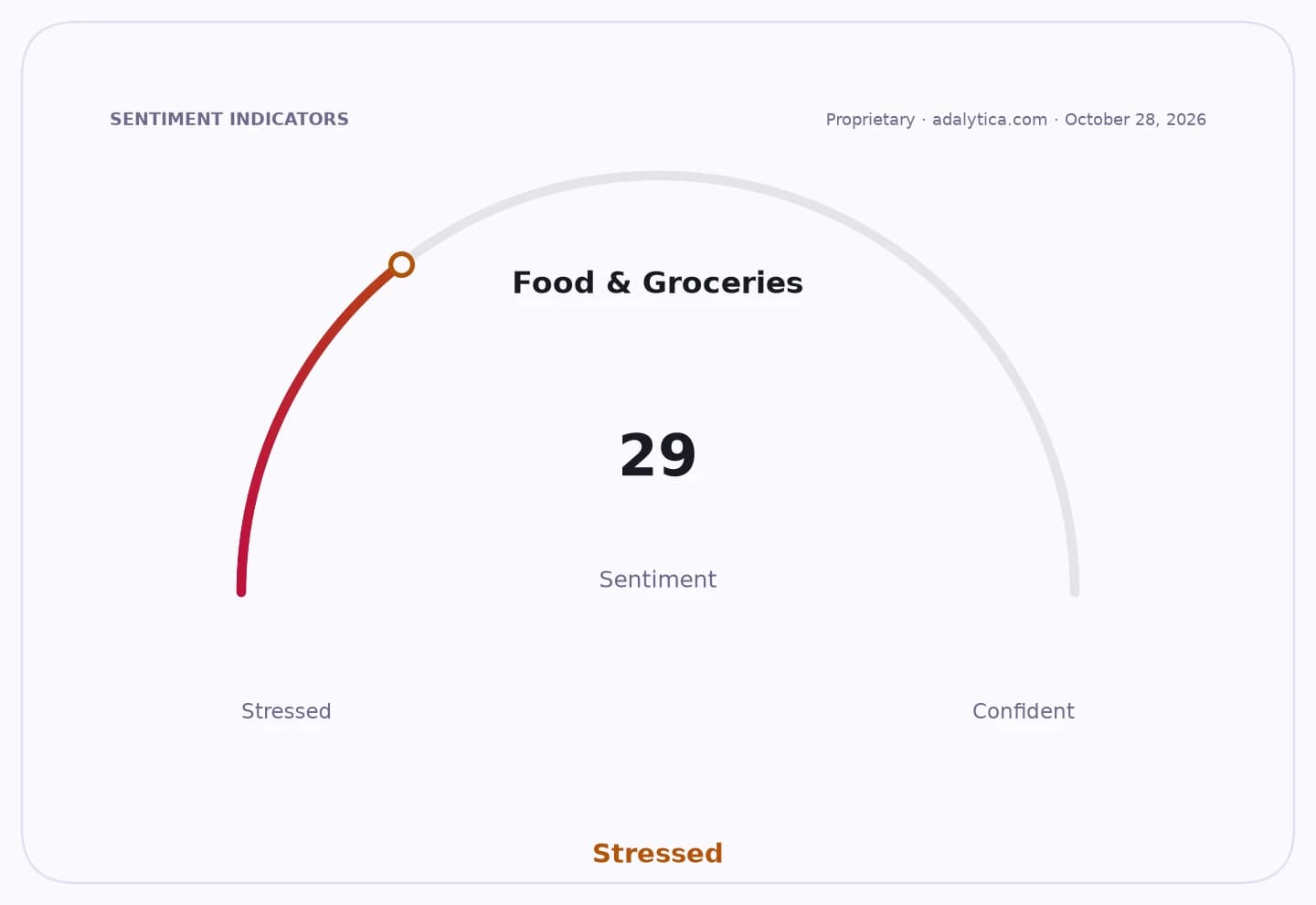
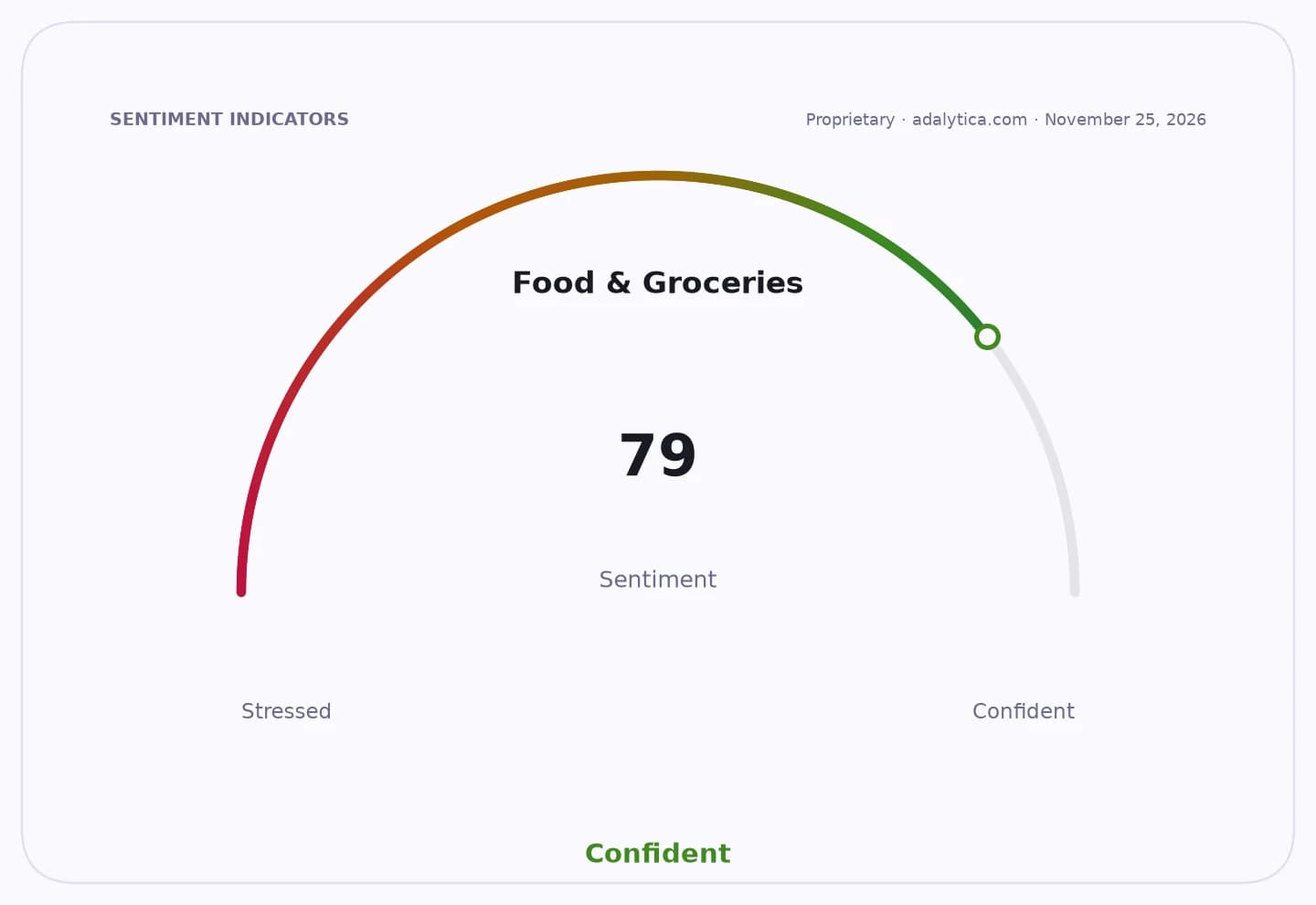
Sentiment Indicators
Food & Groceries
For investors and agribusiness watchers, the economics are straightforward. Bolivia consumes more than 800,000 tons of wheat a year, but domestic production covers only about 20% of demand. The rest is filled by imports and informal trade, mostly from Argentina. Anapo says Bolivia spent $79.3 million on wheat and derivatives in 2025, with 92% of those purchases coming from Argentina, before counting contraband. That leaves the country exposed to exchange-rate swings, transport costs and crop shocks abroad — exactly the sort of external pressure that keeps food inflation sticky and policy makers trapped in subsidy mode.
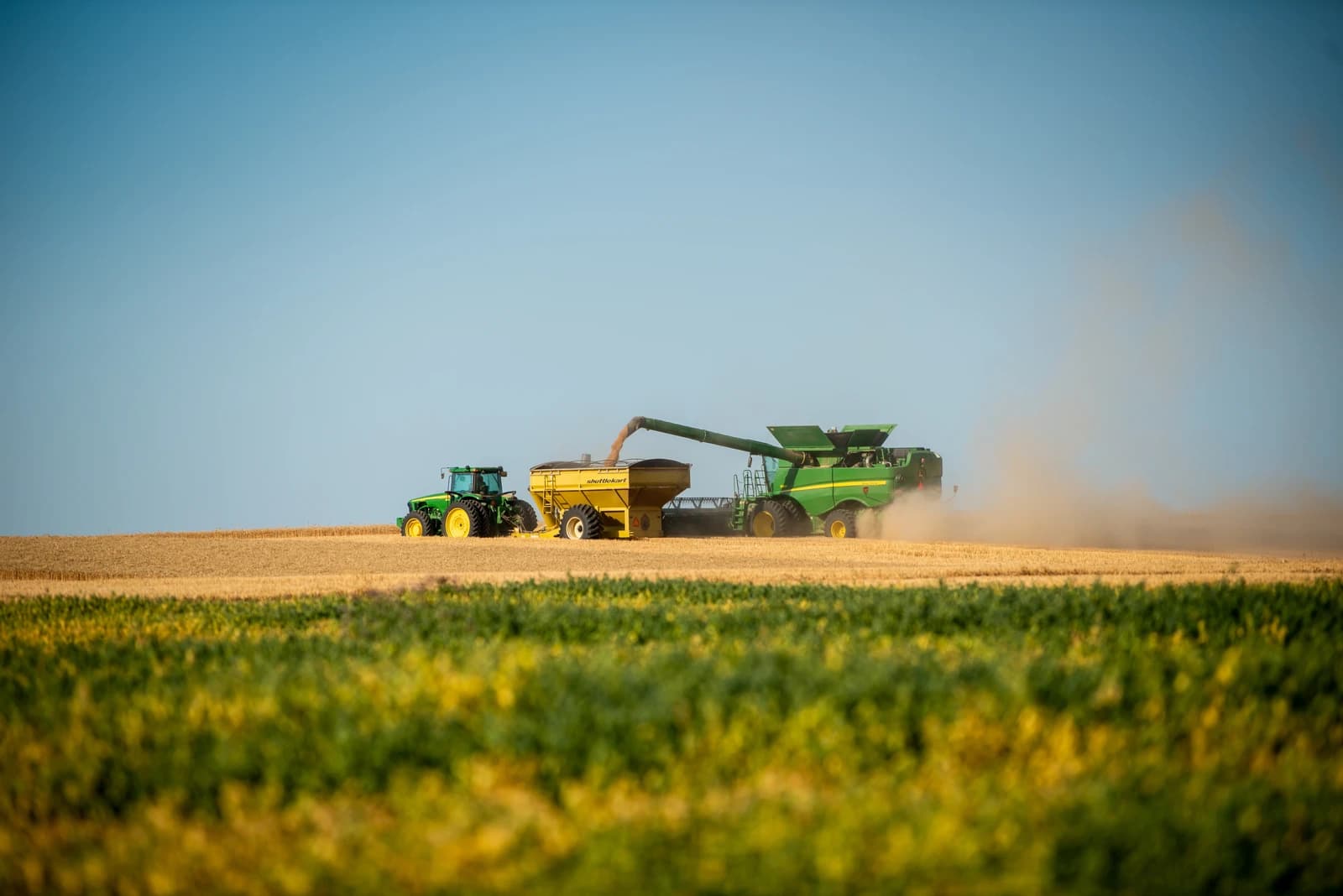
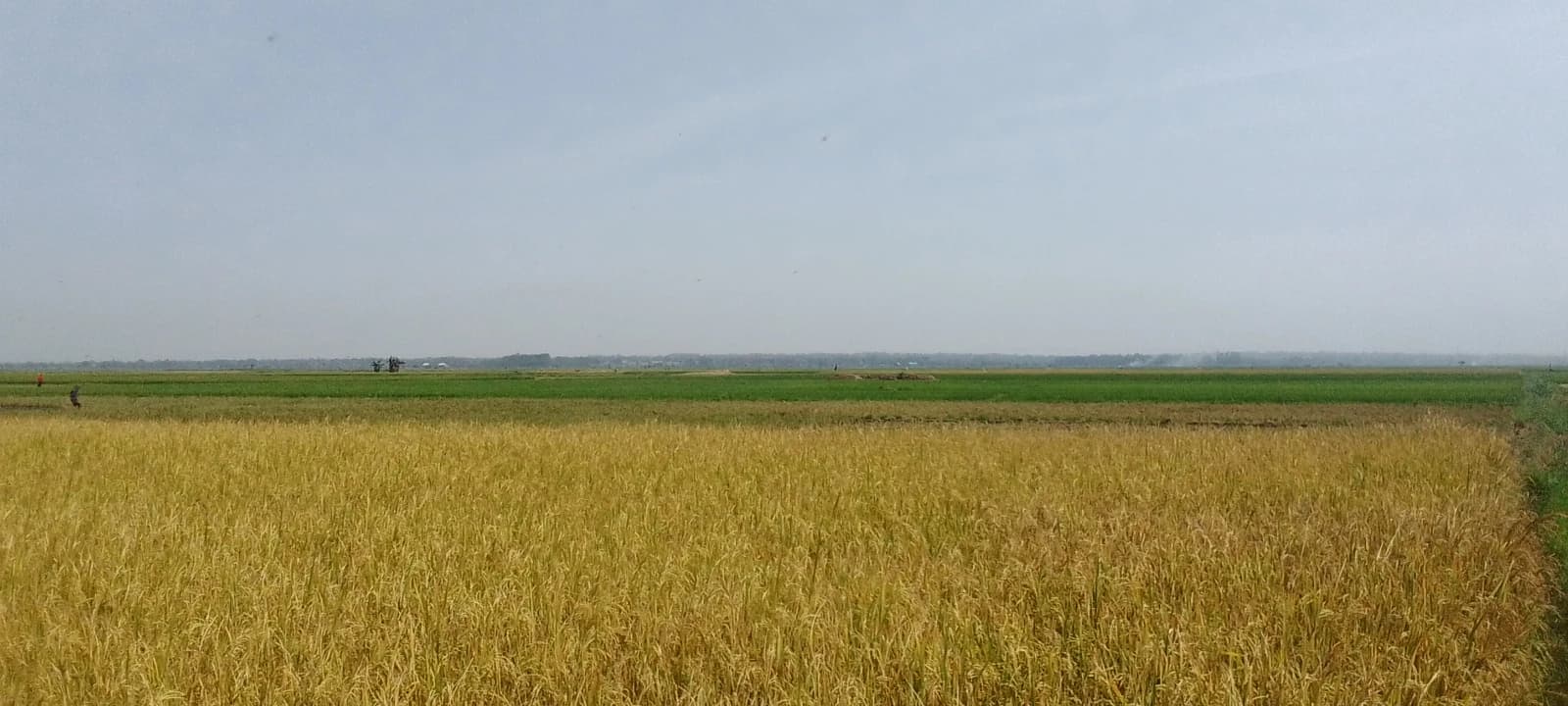
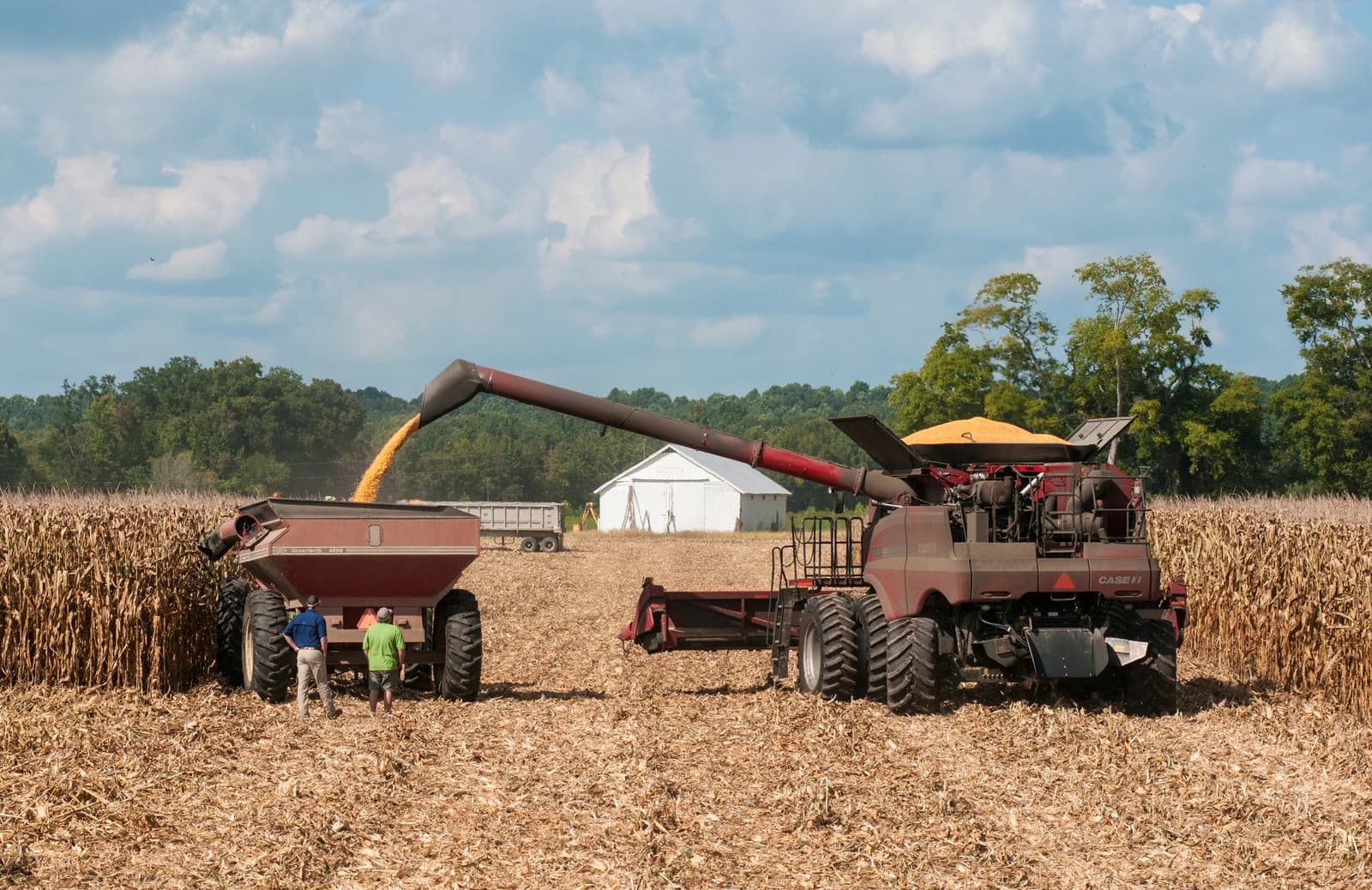
The local inventory on offer is not trivial. Anapo says growers have about 30,000 tons of wheat stored and waiting for a buyer. If Emapa prioritizes that grain, it would put cash in farmers’ hands, reduce near-term import needs and signal that Bolivia is willing to rebuild domestic production rather than endlessly patch shortages with foreign supply. If it does not, the message to growers is clear: the state will protect bread prices, but not necessarily the economics of producing wheat at home.
That is why the broader investment thesis matters. The real opportunity in food security is not the headline subsidy; it is the chain of beneficiaries that follow when a government decides to lean into domestic sourcing. Local grain producers, storage and logistics operators, millers and agricultural inputs suppliers can all benefit if policy shifts from emergency imports toward structured procurement and production incentives. Anapo is effectively asking for that next step with a national wheat plan built around research, financing, crop insurance and a price that reflects import parity.
The market is underestimating how quickly food policy can reshape capital flows in agriculture. If Bolivia keeps relying on imports, farmers remain squeezed and food prices stay vulnerable to the dollar. If it begins buying domestic wheat first, even modestly, it creates the first real demand anchor for a sector that has been starved of certainty. For investors, the takeaway is simple: watch for policy that rewards local production, because that is where the multiyear upside lies.
| Entity | Gains | Losses |
|---|---|---|
| Bolivian wheat farmers | ▲Higher local demand | ▼Delayed sales if imports come first |
| Emapa / Bolivia government | ▲Short-term price control | ▼Fiscal burden from subsidies |
| Argentine wheat exporters | ▲Continued market share | ▼Loss of Bolivian import demand |
| Bakers / consumers | ▲Lower flour costs | ▼Vulnerability if supply stays import-heavy |