Investors are rotating back into bonds as Treasury yields ease from recent highs, creating a potentially friendlier backdrop for fixed income after a choppy first half of the year.
Bonds Gain Support as Yields Ease

That shift matters because it is not just about prices moving up or down in the bond market. Lower yields improve the case for high-quality debt, while steady corporate issuance shows companies are still able to fund themselves without a full-blown credit squeeze. For long-term investors, that combination often signals a market moving from fear toward selectivity — a healthier environment than panic, but still one that rewards caution.
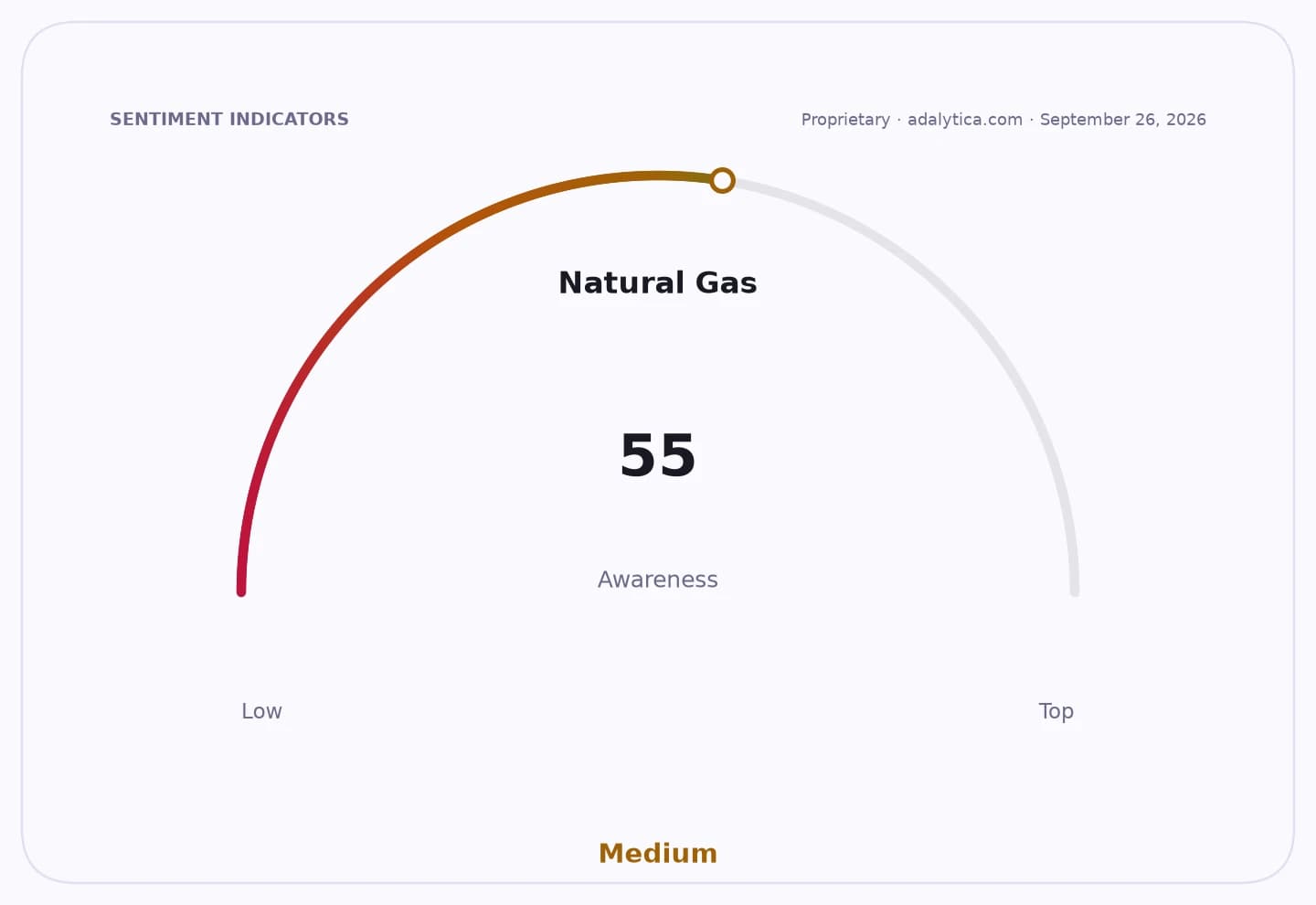
Sentiment IndicatorsⓘProprietary · adalytica.com · July 29, 2026
This is a snapshot — live sentiment, awareness and momentum for 130+ markets update continuously in the dashboard.Open AlphaPulse
The clearest read comes from the recent moves in exchange-traded funds tied to debt. The iShares 20+ Year Treasury Bond ETF, or TLT, has seen a sharp pickup in attention, with Adalytica’s U.S. Treasury Bonds Trade Signals showing extreme greed in awareness and a neutral sentiment reading. That suggests traders have become far more focused on Treasuries just as the 10-year yield has slipped to about 4.65% from 4.71% only days earlier. Meanwhile, the iShares iBoxx $ Investment Grade Corporate Bond ETF, or LQD, has held up near 106.8, and the iShares iBoxx $ High Yield Corporate Bond ETF, or HYG, has edged higher to 79.42. In other words, investors are not fleeing credit — they are adjusting where in the bond market they want exposure.
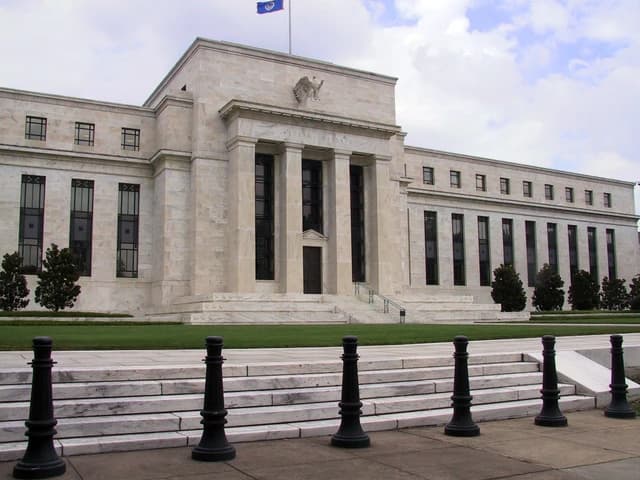
That matters economically because bond capital is one of the key transmission mechanisms for the broader economy. When money flows toward Treasuries and investment-grade credit, borrowing costs can stabilize even if growth looks uneven. That can support refinancing activity, cash-flow planning and corporate balance sheets heading into year-end. It also hints that investors expect the Federal Reserve to keep policy less restrictive than it has been, with the fed funds rate still around 3.63% and only modestly lower in the latest forecast. If inflation keeps cooling and yields keep drifting down, fixed-income returns can improve without requiring a recession.
BAMLH0A0HYM2 vs DGS10 — macro contextadalytica.com
Explore this data interactively — full history, time series and cross-market comparisons.Open AlphaPulse
The corporate side of the story is just as important. Big banks and financials are still tapping debt markets, with JPMorgan, Goldman Sachs and Bank of America all recently issuing or closing bond deals. That tells you the market remains open. Companies are not waiting for perfect conditions; they are locking in financing while the window is available. For investors, that is a healthy sign for credit quality in the near term, because orderly issuance is very different from distressed refinancing under pressure.
At the same time, the market is sending a more nuanced message than a simple “buy bonds” call. The 10-year yield is still far above the ultra-low levels that powered easy money for years, and credit spreads remain something investors need to watch. The high-yield ETF’s modest rise suggests appetite for risk is present, but not exuberant. If the economy slows more than expected, lower-rated borrowers could still face pressure even as top-tier bonds benefit.
For long-term investors, the takeaway is straightforward: this is a market that is becoming more constructive for bond holders, but in a selective way. Treasuries and investment-grade debt can serve as stabilizers in a diversified portfolio, especially if volatility returns to stocks. High yield may still offer income, but it comes with more sensitivity to growth and default risk.
If this year’s late-stage capital flows continue to favor bonds, the setup could improve further into year-end. That makes fixed income worth watching, not as a short-term trade, but as a durable portfolio building block for the next few years.
| Entity | Gains | Losses |
|---|---|---|
| Treasury bond holders | ▲Price support from falling yields | ▼Lower future yields |
| Investment-grade credit investors | ▲Steady income and relative safety | ▼Limited upside |
| High-yield borrowers | ▲Access to funding remains open | ▼Wider risk premiums if growth weakens |
| Equity investors | ▲Portfolio diversification benefits | ▼Less capital chasing stocks |