Tourism is being squeezed by two forces that investors cannot ignore: geopolitical shocks that disrupt travel flows and inflation that keeps trips expensive just as consumers are getting more selective. That combination is hitting some destinations hard, while creating a stark split between winners with pricing power and losers exposed to weaker long-haul demand, especially in Europe and politically sensitive regions.
Booking, Expedia gain as travel demand splits
The economic significance is bigger than a bad quarter for airlines or hotel chains. Travel is one of the fastest ways war and inflation transmit into the real economy: higher fuel and airfare costs curb discretionary spending, reduced capacity limits cross-border mobility, and uncertainty pushes tourists toward shorter, domestic trips. That hurts countries dependent on visitors for foreign exchange and growth, while also pressuring broader service-sector demand. Cuba is the clearest warning sign, with its tourism industry continuing to deteriorate under economic turmoil, mismanagement and U.S. sanctions. In Europe, abnormal heat and softer demand are adding another layer of strain. Croatia has already reported a 6% drop in overnight stays, underscoring how fragile the recovery remains.
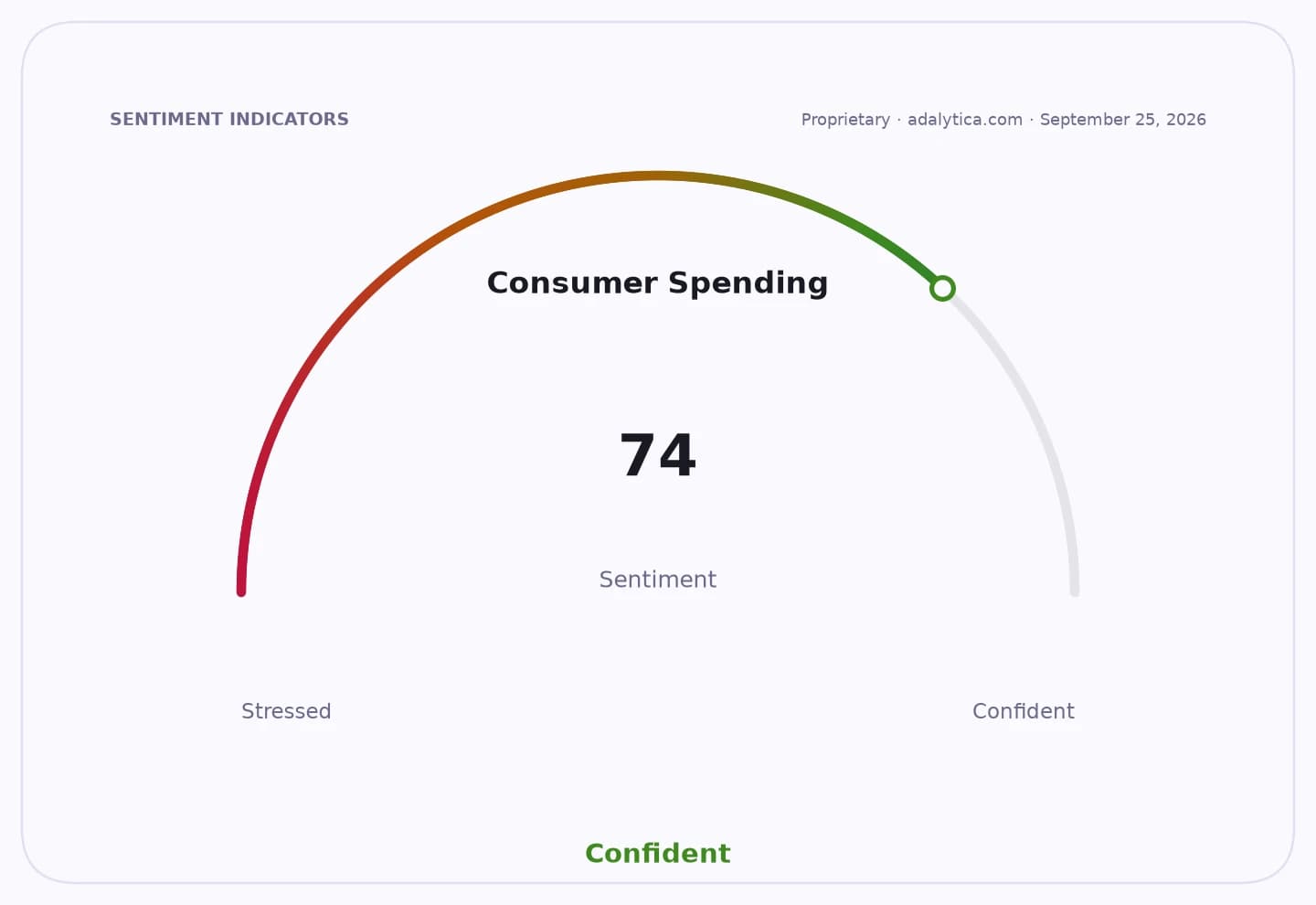
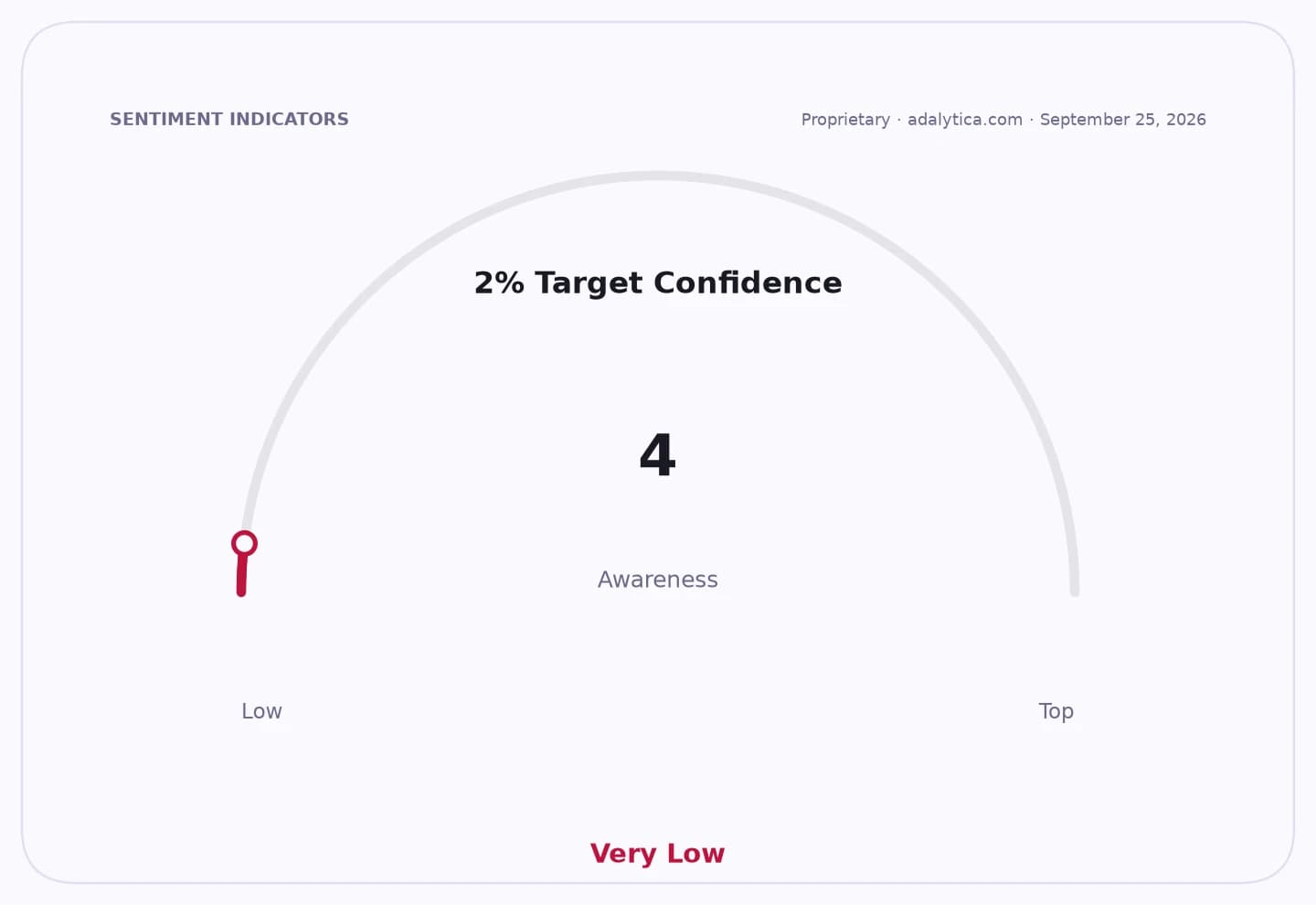
Sentiment IndicatorsⓘProprietary · adalytica.com · August 15, 2026
This is a snapshot — live sentiment, awareness and momentum for 130+ markets update continuously in the dashboard.Open AlphaPulse
For investors, the lesson is that not all travel stocks are trading the same story. Booking Holdings and Expedia have both been able to benefit from resilient demand in parts of Europe and Asia, but their latest filings also flag the same stress points weighing on the industry: events in the Middle East and Mexico, elevated flight ticket prices, reduced air capacity on some routes and weaker long-haul international travel. Those are not temporary noise for the sector; they are margin and volume headwinds that can persist whenever geopolitical risk keeps airlines cautious and travelers cost-sensitive.
The stock action shows the market is starting to separate the toll-collectors from the exposed operators. Booking has rebounded sharply, with its shares climbing back above the 50-day and 200-day moving averages after a deep spring selloff, while Expedia has rallied even harder and is now trading well above both key averages. Marriott, by contrast, remains softer, reflecting the more cyclical nature of hotel demand and the risk that global travel is shifting toward shorter, lower-value trips rather than broad-based leisure strength. Technical readings on both Booking and Expedia suggest strong momentum, but that can cut both ways if the macro backdrop worsens: tourism names can rerate fast when investors decide the recovery is more uneven than advertised.
The real opportunity is in the second-order effects. War and inflation do not just hurt travelers; they redirect spending toward domestic destinations, regional operators, and infrastructure that supports cheaper, more local trips. That favors online travel platforms with scale, hotel brands with pricing power in stronger markets, and ancillary services tied to booking, payments and advertising. It also argues for caution on businesses that depend heavily on long-haul international traffic or on destinations where political and economic instability can abruptly choke visitor flows.
I believe the market is underestimating how durable this split will be. As long as inflation expectations remain elevated and Treasury yields stay near the mid-4% range, consumers will keep trading down in travel, and governments will struggle to restore confidence in vulnerable destinations. The best positioning here is not to chase the loudest rebound, but to own the companies that monetize travel demand no matter where the trip is headed, while avoiding the places where war, sanctions and inflation are still destroying the flow of visitors. This is a selectivity trade, and selectivity should keep paying.
| Entity | Gains | Losses |
|---|---|---|
| Booking Holdings | ▲Pricing power, global scale | ▼Long-haul demand weakness |
| Expedia | ▲Rebound momentum, online share | ▼Airfare inflation, capacity cuts |
| Marriott | ▲Domestic and premium travel | ▼Weak international occupancy |
| Cuba tourism sector | ▲— | ▼Sanctions, mismanagement, FX losses |