Filipino investors are moving more money into global portfolios as a weak peso and stubborn inflation make domestic assets look less attractive.
BPI Wealth Sees More Filipino Money Move Offshore

That shift matters because it is not just a trading preference — it is a capital-allocation response to a macro squeeze. When inflation stays elevated and the currency keeps falling, savers look for returns that can preserve purchasing power, and that usually means offshore bonds, income funds and equities rather than local cash or peso-denominated assets.
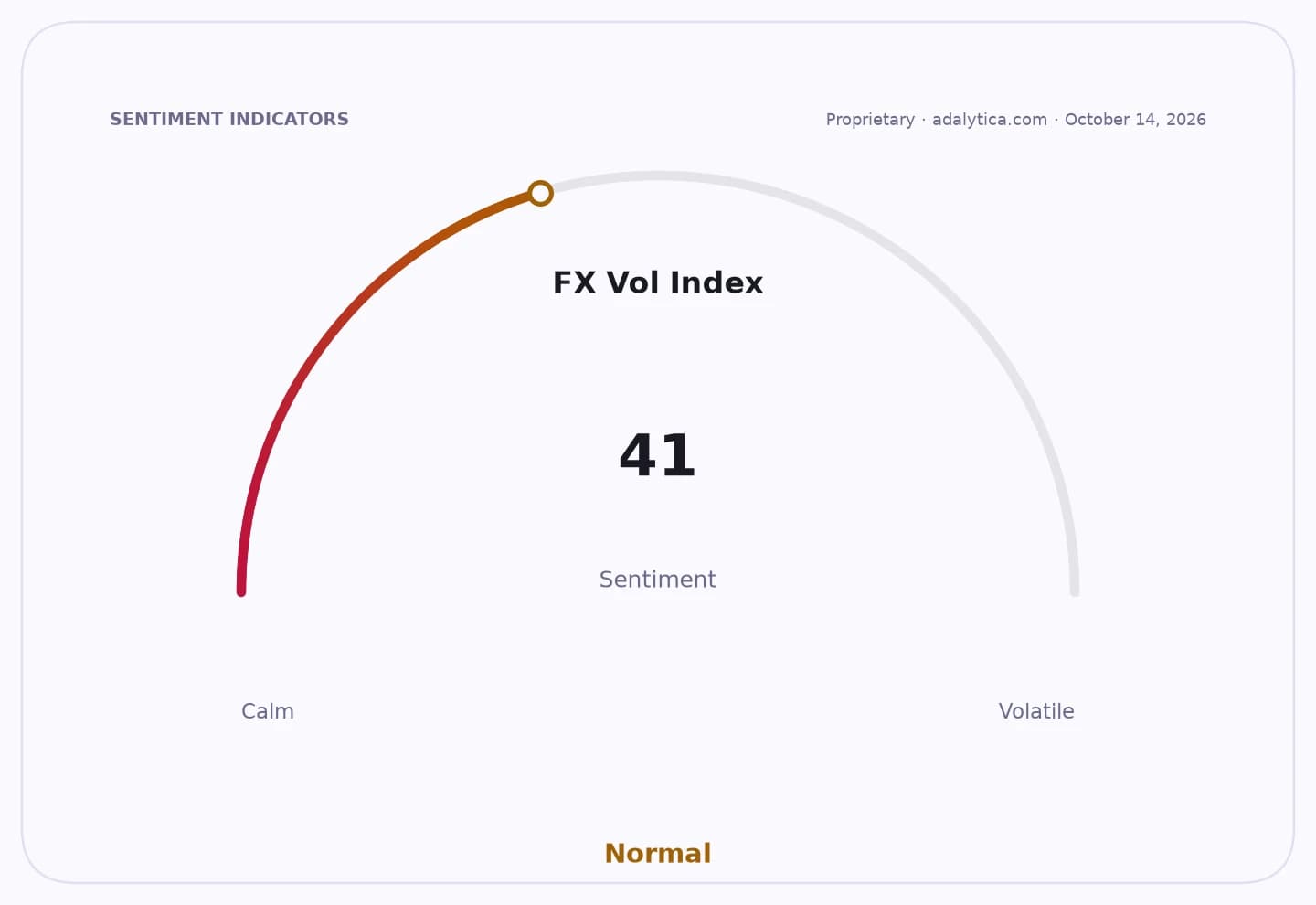
Sentiment IndicatorsⓘProprietary · adalytica.com · October 9, 2026
This is a snapshot — live sentiment, awareness and momentum for 130+ markets update continuously in the dashboard.Open AlphaPulse
BPI Wealth said it is seeing stronger flows into global investment products, with demand concentrated in bonds and income-paying funds as well as equities. The move comes as consumer prices remain elevated, partly because of higher oil prices linked to the Middle East conflict, while the peso has slid to record lows and is still trading around P62 per dollar.
The implications for markets are important. A weaker currency can accelerate the very diversification it creates, because households and wealth managers start building portfolios that combine domestic and international assets instead of relying on one market. BPI Wealth said around 15% to 20% of assets under management are now in offshore assets, underscoring how quickly global exposure is becoming part of the mainstream wealth-management playbook in the Philippines.
At the same time, the exodus is not a wholesale vote of no-confidence in the Philippines. BPI Wealth said local equities still look cheap, which could eventually draw bargain hunters back if investors are willing to stomach volatility. That sets up a split market: defensive and income-focused money is likely to keep chasing overseas assets, while value investors may still find opportunities at home if the peso stabilizes and inflation cools.
BPI Wealth itself is benefiting from the shift. Assets under management are up about 14% to 15% year to date, and the firm is targeting 15% to 20% AUM growth for 2027, suggesting demand for wealth products remains resilient even in a volatile macro backdrop.
Our view is that the bigger trade here is the rise of cross-border portfolio construction in Southeast Asia’s retail and wealth channels. The market underestimates how quickly currency weakness and inflation can rewire investor behavior. That makes global asset managers, offshore bond products and income strategies the clear beneficiaries, while purely domestic peso assets remain exposed until the inflation-and-FX backdrop improves. Investors should treat this as an early-stage allocation shift, not a one-off rotation.
| Entity | Gains | Losses |
|---|---|---|
| Global bond and income funds | ▲Stronger inflows | ▼Domestic cash holders |
| Offshore equity products | ▲Rising demand | ▼Peso-only portfolios |
| BPI Wealth | ▲AUM growth | ▼Passive local-only strategies |
| Philippine pesos and local assets | ▲Valuation support from bargain hunters | ▼Pressure from inflation and currency weakness |