The baht is likely to stay under pressure this week, with Krungsri’s BAY seeing the currency trading in a 33.30 to 33.85 range against the dollar as traders wait for U.S. Federal Reserve minutes and Thailand’s inflation data.
Thai baht seen in 33.30-33.85 range this week
That matters because the baht is not just a local currency story. It is being pulled by a stronger U.S. dollar, higher Treasury yields and a market still trying to figure out whether the Fed can keep policy tight without choking growth. When the dollar is firm and U.S. bond yields are rising, emerging-market currencies usually struggle — and the baht has already slipped to a two-month low, closing last week at 33.55 after moving between 33.45 and 33.71.
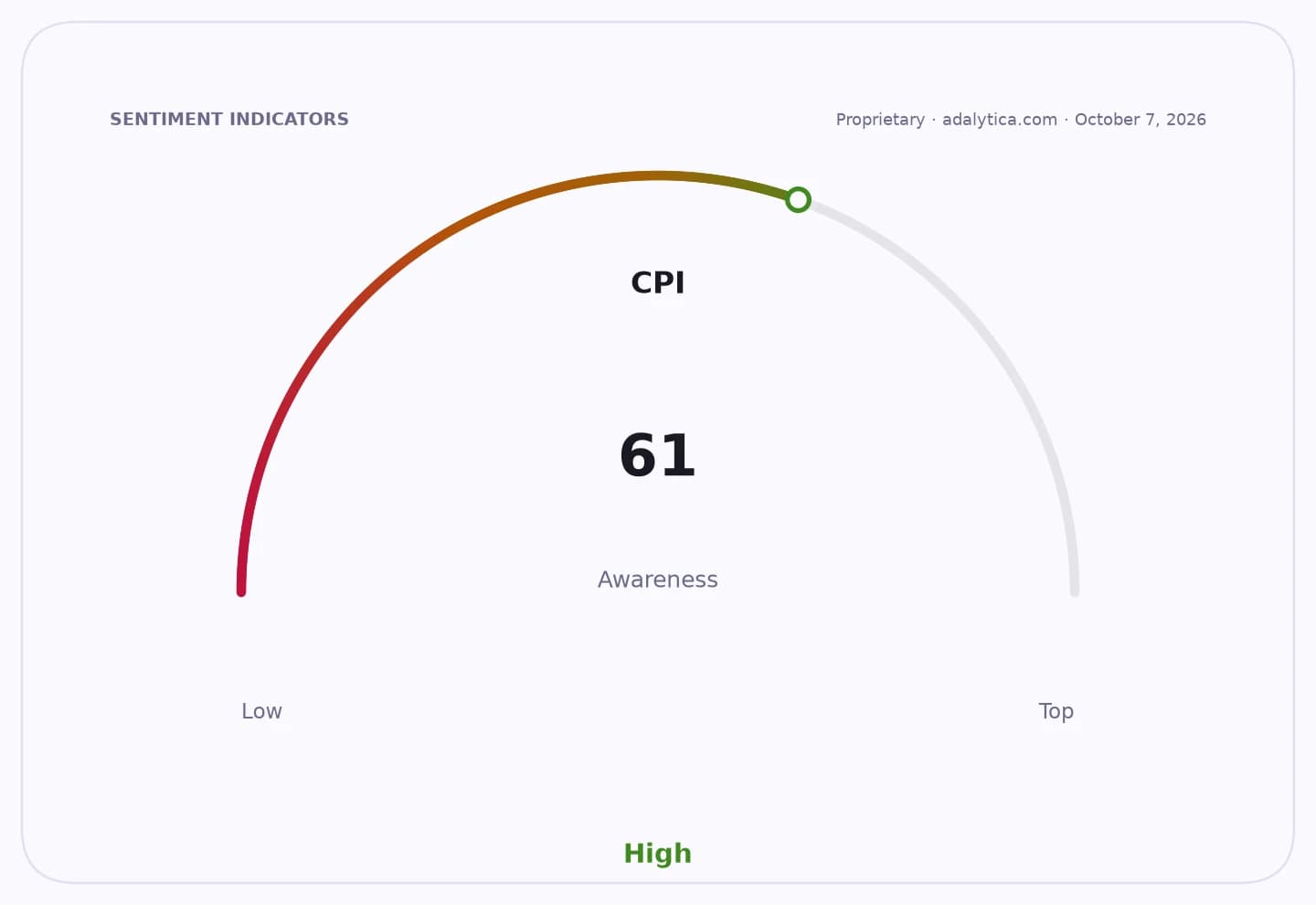
Sentiment IndicatorsⓘProprietary · adalytica.com · October 5, 2026
This is a snapshot — live sentiment, awareness and momentum for 130+ markets update continuously in the dashboard.Open AlphaPulse
For investors, the bigger message is that foreign-exchange volatility is back at the center of the macro trade. A weaker baht can help Thai exporters and tourism operators by making their overseas earnings more competitive in local terms, but it also raises the cost of imports, energy and dollar-funded liabilities. That mix is especially important for a country still trying to balance uneven domestic demand with a cautious recovery in tourism and trade.
The latest pressure has come from abroad. The dollar index climbed to its highest since May, while U.S. 10-year yields pushed to a new cycle high, even after softer-than-expected core PCE inflation reduced the odds of another near-term rate hike. At the same time, the ISM manufacturing report showed easing factory activity but sticky price pressures, a reminder that inflation is not dead yet.
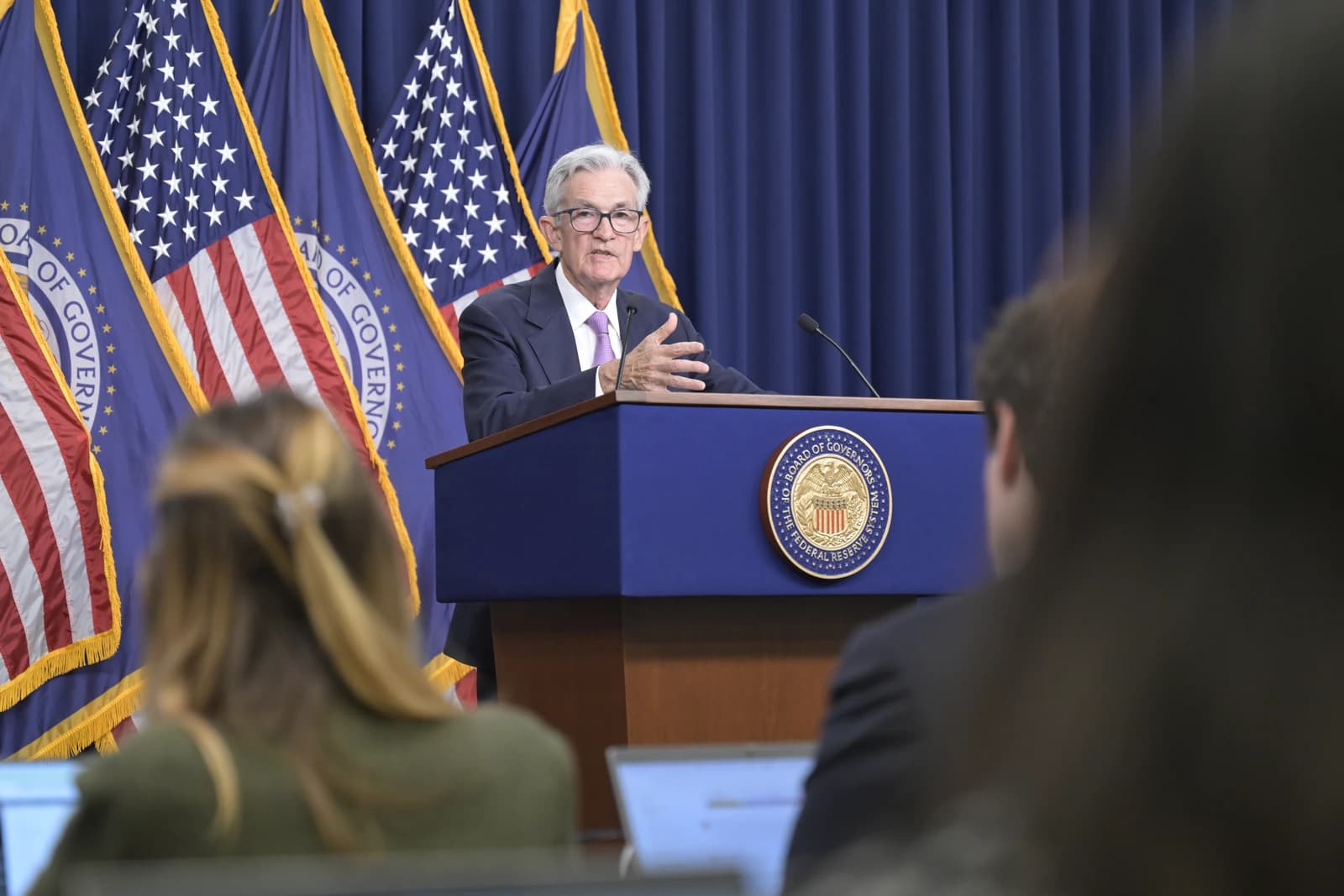
That is why the Fed minutes and speeches from multiple officials matter so much this week. After a weaker U.S. nonfarm payrolls report, investors are increasingly leaning toward the view that the Fed will hold rates steady this month. If that view hardens, the dollar could pause. If officials sound more hawkish, the baht may test the weak end of BAY’s range.
Thailand’s own numbers will also shape the story. Traders are waiting for September inflation, while the Bank of Thailand has already reported August’s current-account surplus at $2.4 billion. A benign inflation print would give policymakers more room to stay patient, but it probably would not fully offset external pressure if U.S. yields keep rising and global risk appetite stays fragile.
There is also a broader market backdrop to watch. Foreign investors sold 26.8 billion baht of Thai equities and 10.1 billion baht of Thai bonds, a clear sign that global capital is still favoring the dollar and safer assets. BAY also pointed to global bond selling, wider French-German yield spreads and a stronger Swiss franc, all signs that investors are growing more defensive.
For long-term investors, the takeaway is simple: this is a currency market being driven more by global rates than by domestic fundamentals. That can create near-term pain for importers and dollar borrowers, but it can also create opportunities in exporters, tourism names and businesses with natural foreign-currency earnings. Watch the Fed, watch Thai inflation, and expect the baht to remain sensitive to every shift in U.S. rate expectations. For patient investors, this is worth keeping on the watchlist rather than trying to trade every swing.
| Entity | Gains | Losses |
|---|---|---|
| Thai exporters | ▲Better competitiveness | ▼Imported input costs |
| Tourism operators | ▲Stronger foreign demand value | ▼Currency volatility |
| Dollar holders | ▲Higher FX returns | ▼Thai asset buyers |
| Thai importers | ▲— | ▼Higher landed costs |