The first installment of Brazil’s 13th salary is landing just as households face a familiar end-of-year squeeze, and the biggest financial decision is whether to use the cash to cut expensive debt or save it for January bills and holiday spending.
Brazil 13th Salary Weighs Debt Payments and Spending
That choice matters because the 13th salary is one of the few annual cash infusions that can meaningfully change a household balance sheet in a single stroke. The benefit, paid to private-sector workers, domestic employees, rural and urban workers, retirees and pensioners, is due by Nov. 30 for the first half, with the second installment coming by Dec. 20. For millions of families, it arrives precisely when expenses rise, from Christmas shopping to travel and the first round of 2027 charges such as IPVA, IPTU and school supplies.
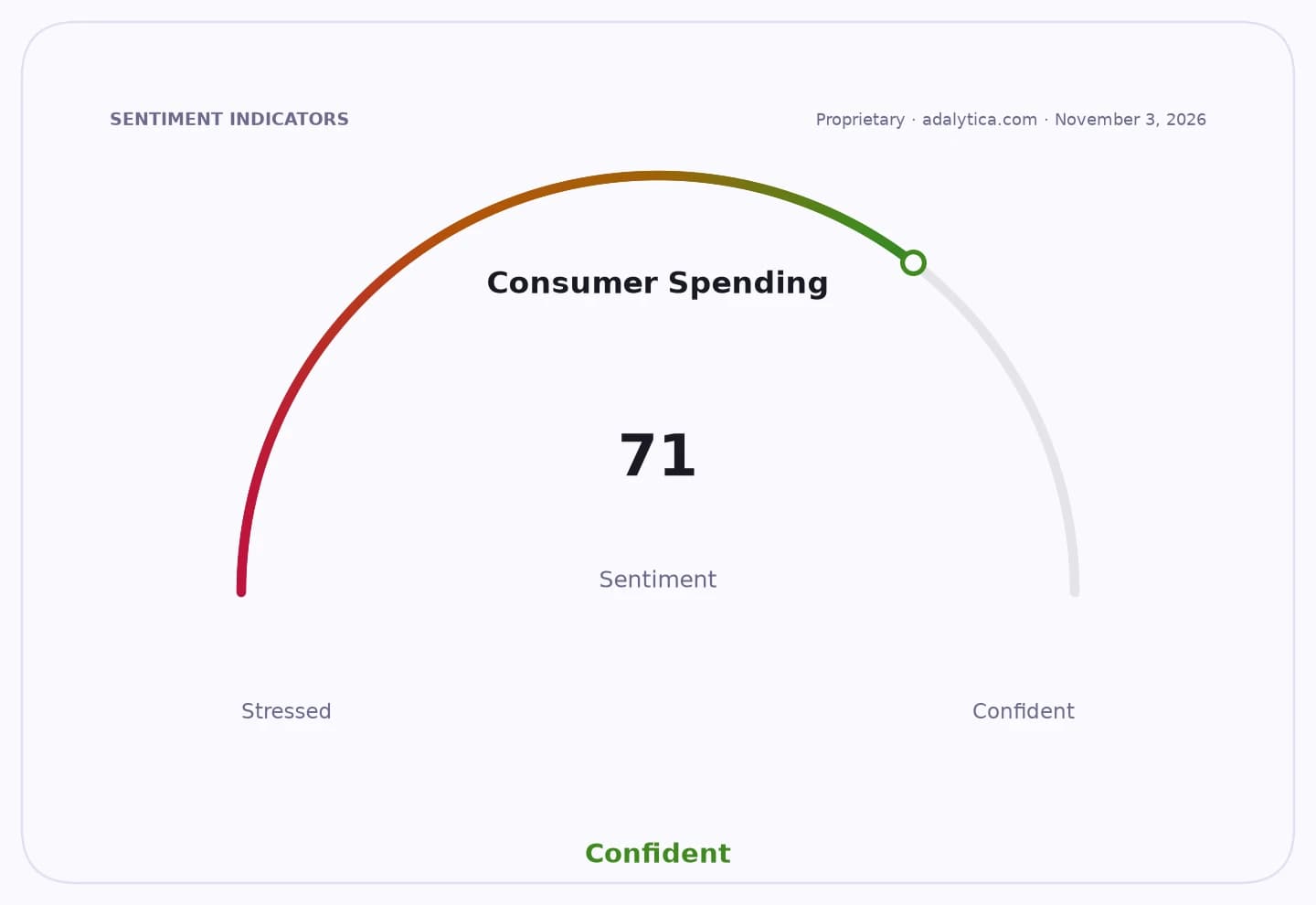
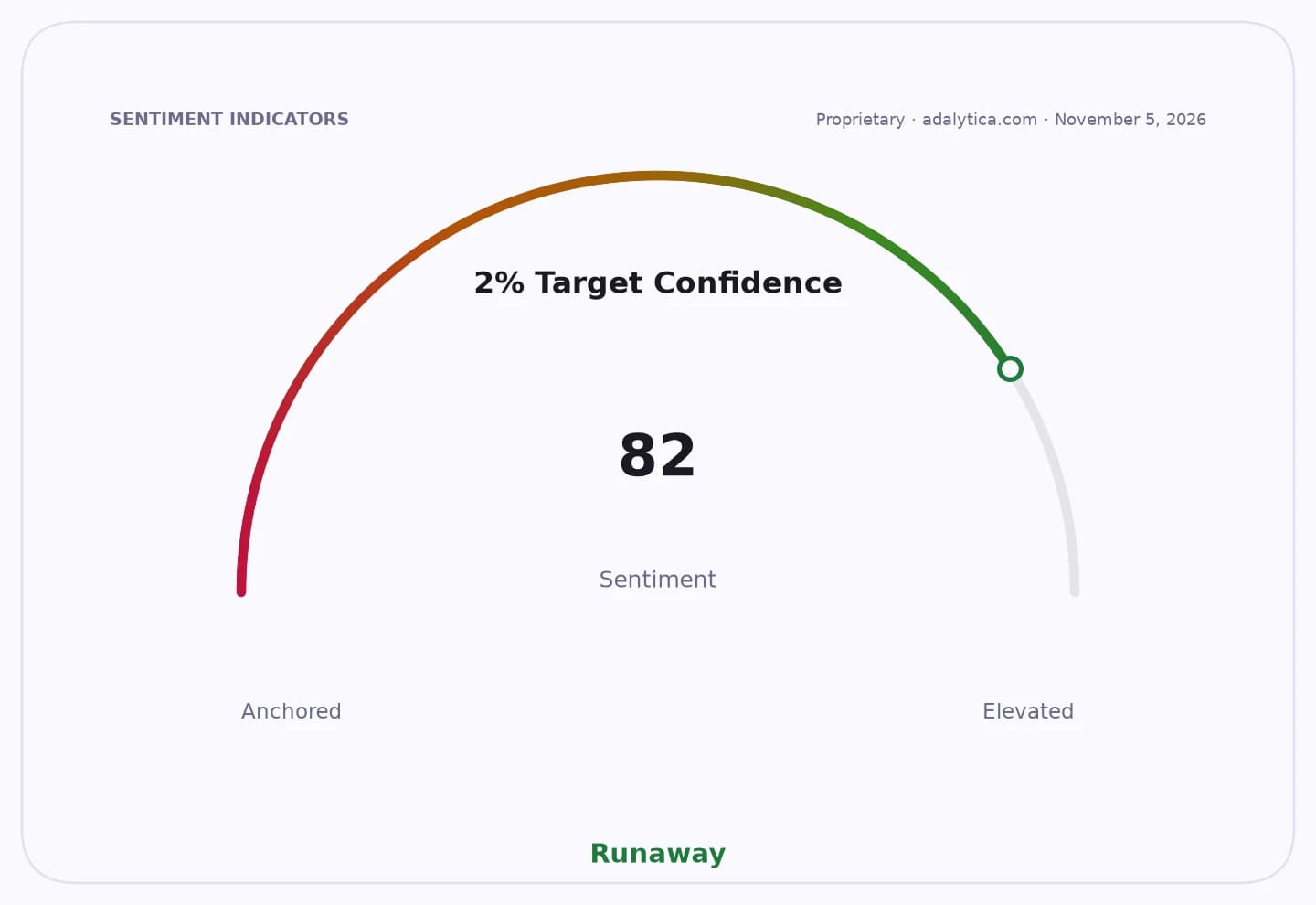
Sentiment Indicators
In a country with 39.5 million formal private-sector workers, the payment also has macroeconomic weight. It supports year-end consumption and helps retailers offset weaker months, but it can also act as a pressure release valve for households carrying costly revolving credit. Economists cited in the original report say the priority should be clear: if the money can eliminate card balances, overdrafts or other bank debt, it should be used immediately. Those liabilities can carry annual rates above 100%, making any delay financially expensive.
That is the core investor story as well. Brazil’s consumer-credit ecosystem depends on whether year-end income gets spent, saved or used to deleverage. If consumers use the bonus to reduce high-cost borrowing, the near-term effect may be softer retail demand but lower delinquency risk heading into the new year. If they spend it, merchants benefit, but banks and finance companies retain more exposed, leveraged borrowers. The trade-off is especially relevant for lenders with large unsecured books.
The market context in financials reinforces that tension. American Express, Capital One Financial and Synchrony Financial have all shown that credit quality and delinquency trends remain central to investor sentiment. Technical readings on the three names show the sector has been volatile but recently firmer, with Capital One and Synchrony trading near or above their 50-day moving averages and American Express recovering above both its 50-day and 200-day lines. That suggests investors are still rewarding signs that consumers can keep paying, but they are also watching closely for any deterioration in credit performance.
Brazil’s 13th salary adds an important seasonal variable to that equation. The first installment arrives before statutory deductions, while the second is reduced by social security and, where applicable, income tax. The new exemption for those earning up to R$5,000 a month may leave some workers with more in hand than expected, but the warning from advisers is to budget off the net amount, not the gross. For households that also expect vacation pay, the risk is false comfort: a larger December inflow can easily be followed by a January cash crunch if fixed bills are not reserved in advance.
The most economically rational use of the payment, advisers say, is to attack the highest-interest debt first, even ahead of lower-cost obligations that may already be overdue. Only if debts are manageable and emergency savings are adequate does it make sense to wait for the second installment, pool the two payments and consider investing the combined sum in inflation-linked government bonds or retirement products.
For consumers, the 13th salary is not just a bonus. It is a short window to reset household finances before the costliest month of the year. For banks, retailers and investors, it is a test of whether Brazil’s consumers will enter 2027 with less leverage, steadier spending power and fewer credit losses.
| Entity | Gains | Losses |
|---|---|---|
| Highly indebted households | ▲Lower interest burden | ▼Immediate spending power |
| Banks and card lenders | ▲Better repayment if debts are cleared | ▼Less revolving interest income |
| Retailers | ▲Year-end sales boost if cash is spent | ▼Softer demand if debt is prioritized |
| Savers and investors | ▲Larger lump sum to invest | ▼Smaller immediate consumption windfall |